Worried That the Wrong OEM or ODM Manufacturing Model Could Damage Your Supply Chain?
Choosing between OEM and ODM sanitary ware manufacturing is no longer simply a product decision. It directly affects your supply chain stability, product differentiation, delivery reliability, and long-term profitability. Many importers and distributors experience delayed shipments, inconsistent quality, intellectual property disputes, or unexpected compliance failures because they selected the wrong manufacturing model or an inexperienced Manufacturer. These problems often lead to customer complaints, inventory shortages, and damaged brand reputation. The good news is that these risks can be significantly reduced by understanding how OEM and ODM operate, evaluating a Supplier through structured factory audits, verifying quality management systems, confirming compliance certifications, and establishing transparent communication before production begins. A strategic sourcing decision creates a more resilient and profitable supply chain.
Google Featured Snippet: How to Choose the Right OEM or ODM Supplier
A qualified sanitary ware Manufacturer should provide proven OEM and ODM capabilities, verified ISO 9001, CE, cUPC, WaterMark, BSCI, reliable quality inspections, flexible Customizable solutions, stable production capacity, and transparent communication. WEESUM combines advanced manufacturing with global export experience to help wholesale buyers reduce sourcing risks.
What You Will Learn Before Making Your Next Sourcing Decision
The following guide reveals how experienced importers, wholesalers, and private-label brands evaluate OEM and ODM partnerships, avoid hidden commercial risks, control procurement costs, and build long-term relationships with dependable sanitary ware manufacturers that consistently deliver competitive products.
What Is OEM (Original Equipment Manufacturer)?
Understanding the OEM Manufacturing Model
OEM manufacturing allows buyers to develop products under their own brand while leveraging the production expertise of an experienced Manufacturer. The buyer typically controls product specifications, dimensions, appearance, packaging, branding, and market positioning, while the Supplier focuses on manufacturing according to agreed technical requirements.
OEM is widely adopted by established distributors, bathroom brands, construction suppliers, and retailers seeking differentiated products without investing in their own production facilities. The model offers high flexibility for Customizable designs while protecting brand identity and market positioning.
Typical OEM Workflow
- Product requirement analysis
- Engineering drawing and feasibility review
- Sample development and approval
- Raw material verification
- Process quality inspection
- Mass production
- Final quality inspection
- Packaging verification and shipment
| OEM Responsibility | Buyer | Manufacturer |
|---|---|---|
| Product Design | Yes | Support |
| Brand Ownership | Yes | No |
| Production | No | Yes |
| Quality Control | Joint Review | Execution |
| Packaging | Customizable | Production Support |
Pros and Cons of OEM
Advantages of OEM Manufacturing
- Complete brand ownership and market differentiation.
- Highly Customizable products for different regional markets.
- Greater flexibility in packaging, logo, glaze, dimensions, and accessories.
- Better pricing leverage through long-term production planning.
- Improved competitive advantage for established distributors.
Challenges Buyers Should Consider
- Higher initial development investment.
- Longer sampling and product development cycles.
- Requires detailed technical documentation.
- Greater dependence on effective project management.
- Higher commercial exposure if supplier qualification is insufficient.
Professional buyers minimize these challenges by conducting factory audits, reviewing production capacity, verifying quality management systems, confirming compliance certificates, and implementing regular production inspections. These measures reduce delivery uncertainty and protect long-term procurement performance.
What Is ODM (Original Design Manufacturer)?
Understanding the ODM Business Model
ODM manufacturing enables buyers to purchase products designed by the Manufacturer while applying their own branding and packaging. Instead of investing in product development, buyers select proven designs already engineered for efficient production. This approach significantly reduces product launch time and lowers development costs.
ODM is particularly suitable for new distributors, importers entering unfamiliar markets, online retailers, and businesses seeking fast inventory replenishment. Because the Supplier already owns the design and production process, buyers benefit from quicker sampling, shorter lead times, and lower engineering expenses while still enjoying certain Customizable options such as logos, colors, packaging, and surface finishes.
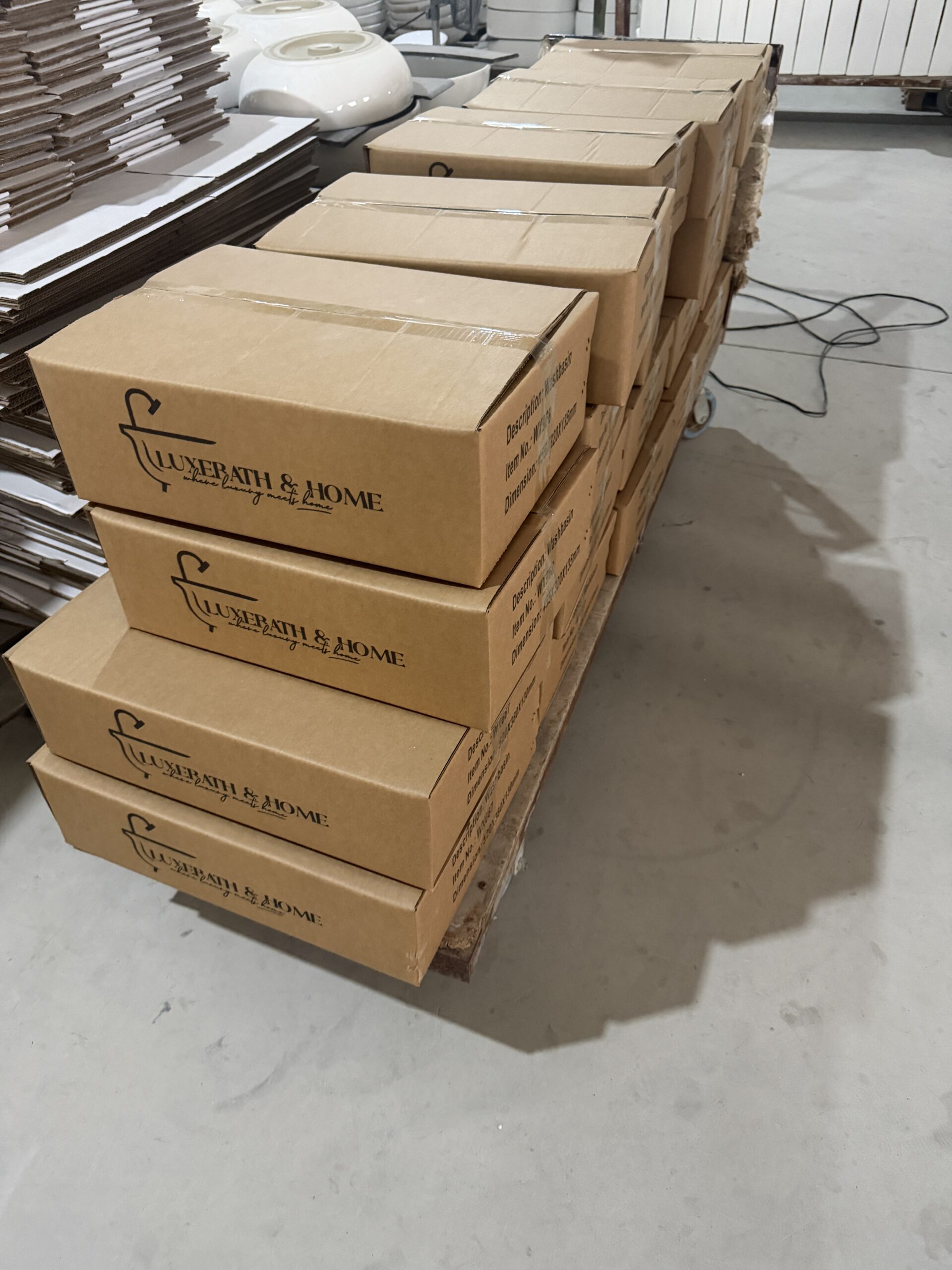
Typical ODM Customization Options
- Private label branding
- Logo printing
- Color customization
- Packaging design
- Accessory configuration
- Instruction manuals
Pros and Cons of ODM
Advantages of ODM
- Faster product launch.
- Lower development costs.
- Reduced engineering workload.
- Reliable production based on proven designs.
- Suitable for buyers testing new markets.
Potential Limitations
- Less product exclusivity.
- Limited structural modifications.
- Competitors may sell similar products.
- Lower control over intellectual property.
- Requires careful management of brand positioning and commercial risks.
| Comparison | OEM | ODM |
|---|---|---|
| Development Cost | Higher | Lower |
| Launch Speed | Moderate | Fast |
| Product Exclusivity | Excellent | Moderate |
| Customization Level | Very High | Medium |
| Suitable Buyer | Established Brands | Startups and Importers |
Which Is Better for Startups: OEM or ODM?
The best choice depends on your business objectives, available capital, and branding strategy. Startups with limited budgets often benefit from ODM because they can launch products quickly while minimizing investment. This approach allows them to validate market demand before expanding their product portfolio.
As sales volumes increase and customer expectations evolve, many successful companies gradually transition from ODM to OEM. This evolution enables greater product differentiation, stronger pricing power, and increased customer loyalty through exclusive designs and proprietary branding.
Regardless of the chosen model, buyers should always evaluate a Supplier through structured supplier assessments, verify international certifications, review production capacity, examine quality inspection procedures, and establish clear agreements covering lead times, payment terms, warranty responsibilities, and risk management.
Why Leading Brands Trust WEESUM
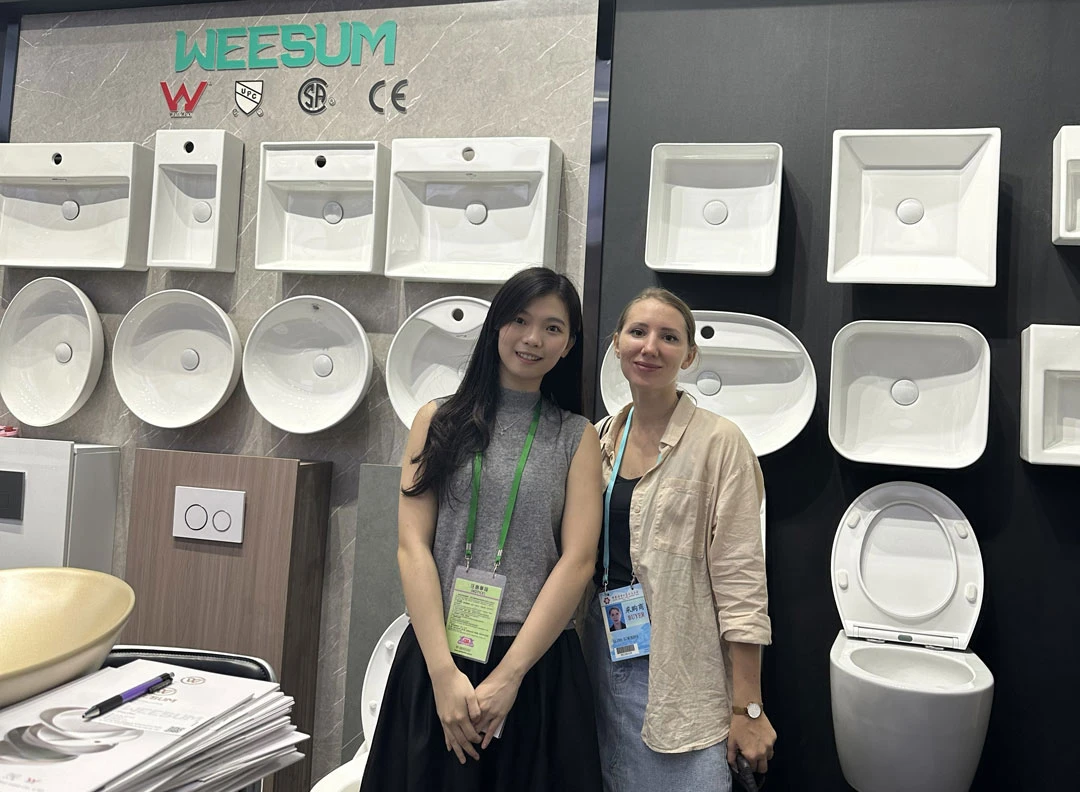
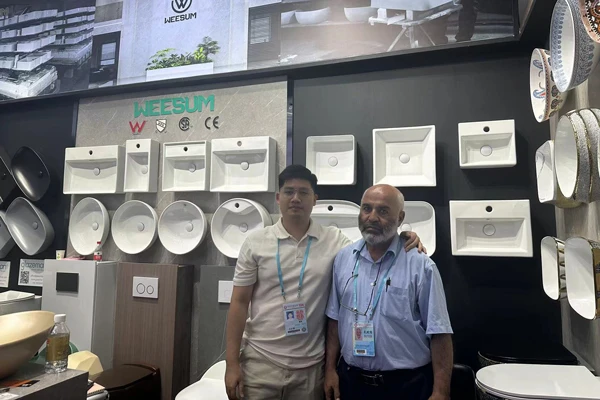
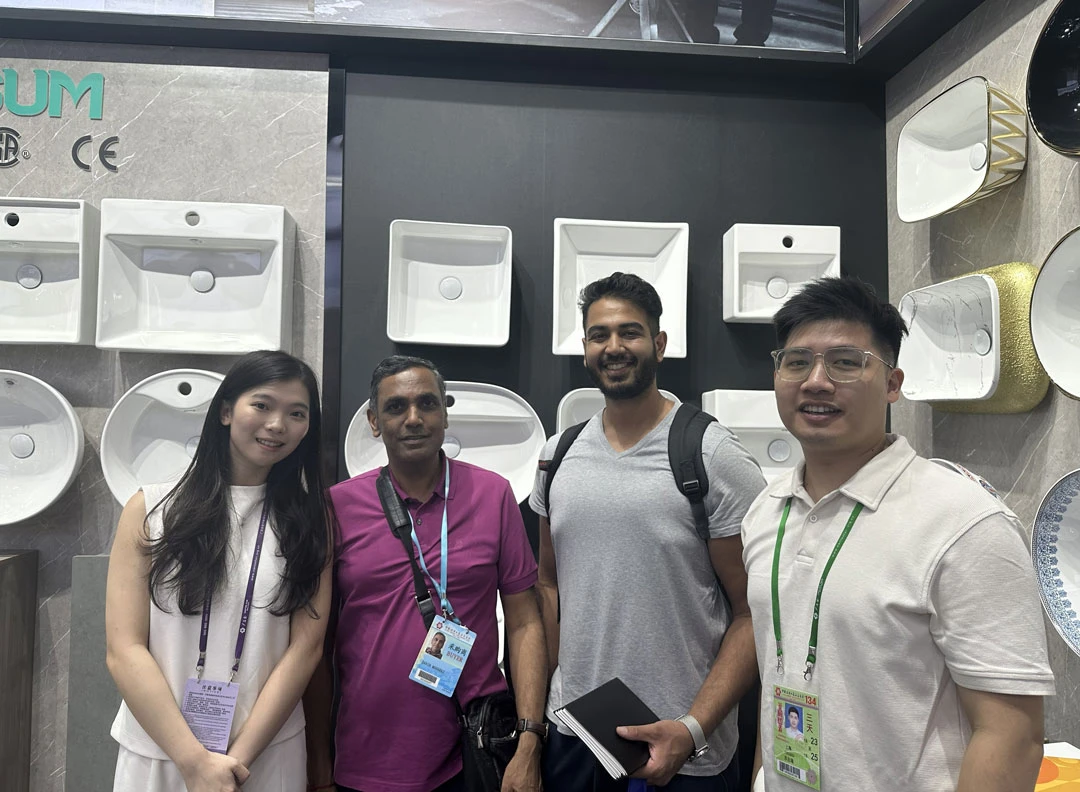
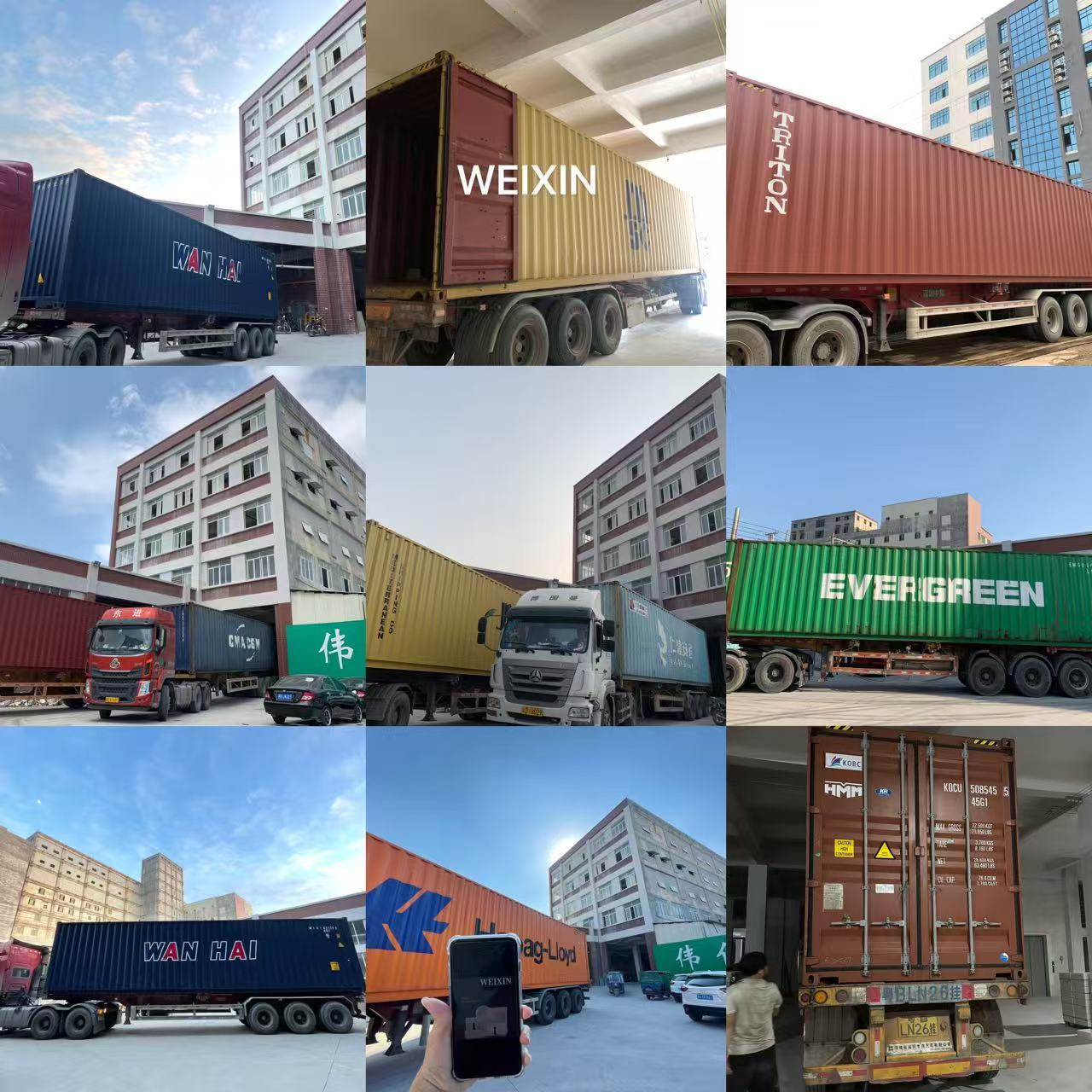
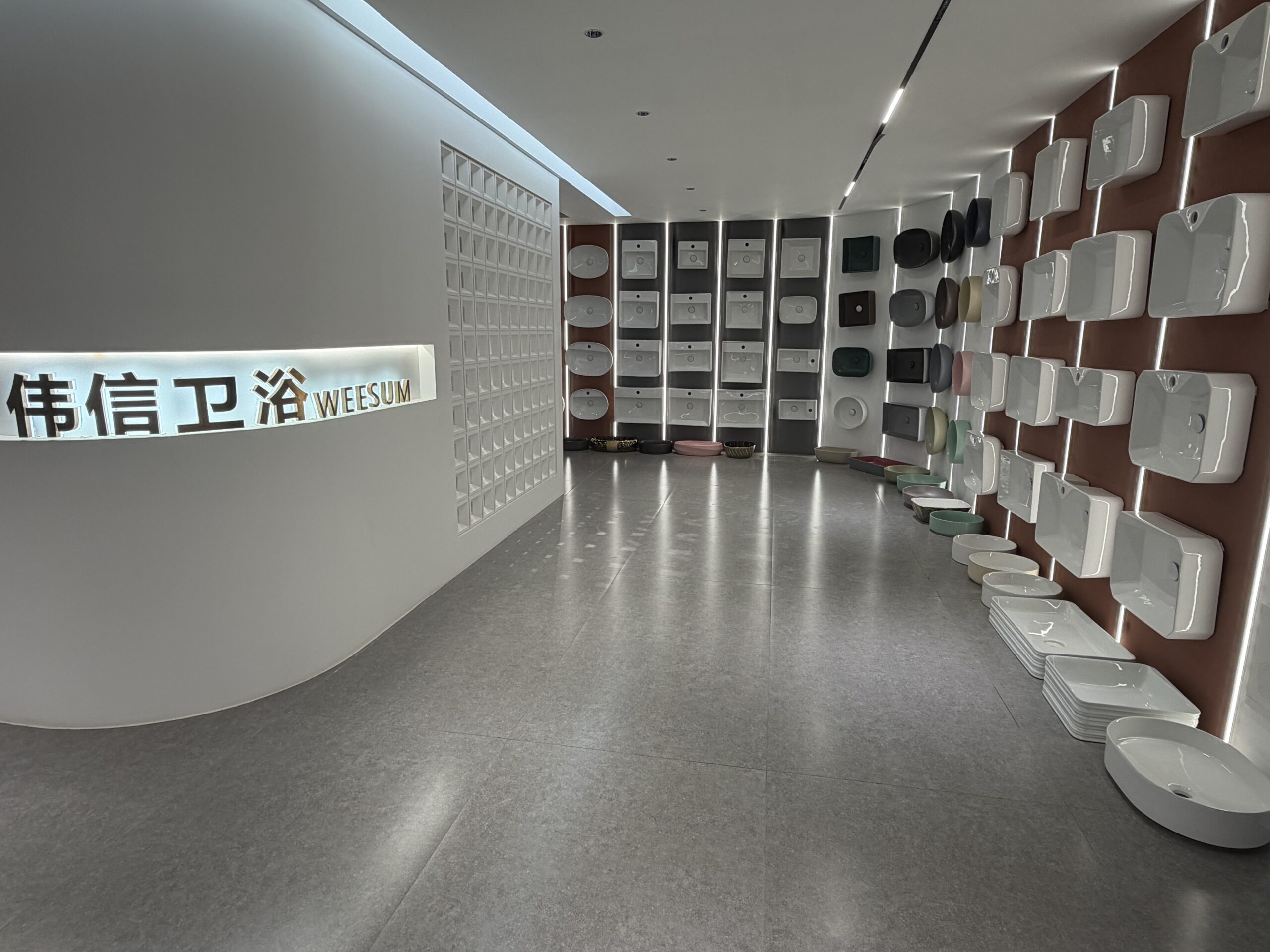
WEESUM is a professional ceramic sanitary ware Manufacturer based in Chaozhou, China, specializing in wholesale OEM and ODM solutions for distributors, retailers, project contractors, and private-label brands worldwide. With over 30 years of manufacturing experience, a production base exceeding 50,000 square meters, more than 30 advanced high-pressure casting lines, and monthly production capacity exceeding 100,000 pieces, WEESUM provides dependable supply chain support for global customers.
Our comprehensive capabilities include Customizable ceramic basins, toilets, and bathroom solutions supported by strict quality management systems, comprehensive factory inspections, and internationally recognized ISO 9001, CE, cUPC, NSF, WaterMark, SASO, and BSCI certifications. From product development to final shipment, every stage is managed through rigorous quality control checkpoints to ensure consistency, compliance, and long-term customer satisfaction.
Choose the Right Manufacturing Partner for Sustainable Growth
Select the OEM or ODM model that matches your business strategy, and partner with a trusted Manufacturer committed to quality, compliance, and supply chain reliability. Contact WEESUM today to discuss your Customizable sanitary ware project and receive a professional wholesale solution tailored to your market.