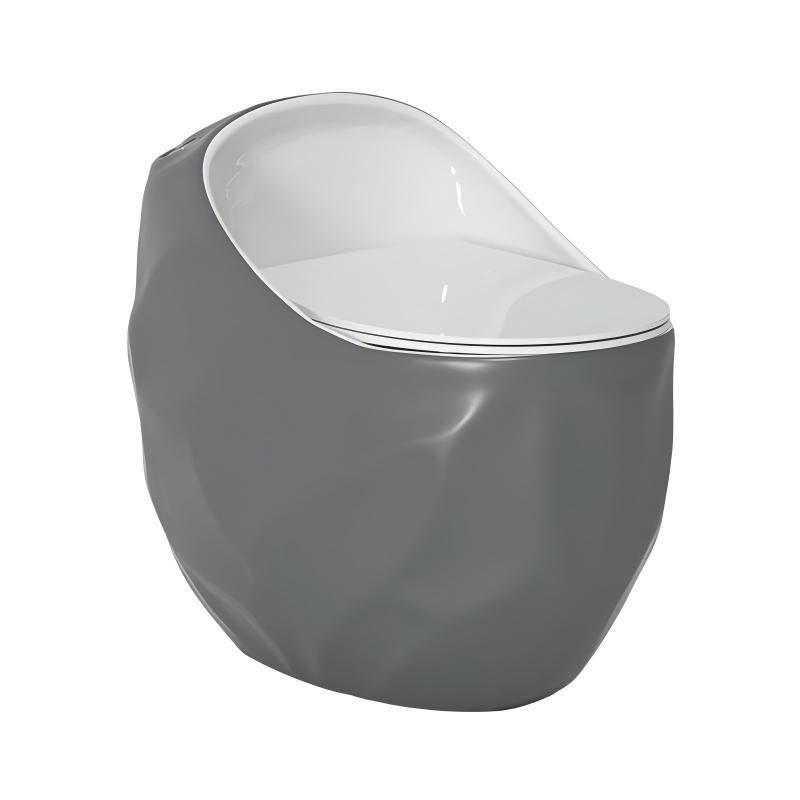
For commercial project managers, real estate developers, and wholesale plumbing distributors, selecting architectural sanitary ware involves balancing design aesthetics with uncompromising technical performance. Toilets and sinks are the most heavily utilized components within any building infrastructure; a poor sourcing decision can result in recurring maintenance overheads, compromised sanitation, and degraded brand reputation.
This comprehensive technical guide outlines the critical engineering variables and material parameters that professional procurement teams must evaluate when sourcing premium ceramic toilets and basins for high-end residential and commercial applications.
1. Deciphering Ceramic Material Grade: The Vitrification Difference
The fundamental determinant of a sanitary product’s operational lifespan is its base material integrity. Standard consumer-grade ceramics often suffer from structural micro-porosity due to insufficient kiln firing temperatures. When sourcing at a professional B2B level, you must verify the Vitrification Profile.
Firing Temperature: Premium manufacturers like WEESUM utilize automated tunnel kilns operating consistently at 1250°C to 1280°C. This extreme heat fully vitrifies the clay body, converting it into a dense, glass-like substance.
Water Absorption Rate: Look for products with a verified water absorption rate of less than 0.2% to 0.5%. Low water absorption prevents structural cracking under thermal stress and prevents deep-seated moisture from absorbing sewage odors over years of continuous exposure.
Glaze Uniformity: The glaze must be uniformly applied with a thickness exceeding 1.1mm. High-end fixtures apply a specialized hydrophilic or nanoglaze inside the complete trapway, eliminating rough clay edges that cause frictional resistance and blockages.
2. Engineering the Perfect Flush: Toilet Mechanical Standards
Beyond external forms, the mechanical architecture of a toilet dictates its utility in commercial environments. Procurement specialists should categorize their selection based on three technical pillars:
Flushing Mechanism (Gravity vs. Siphonic Jet): While European markets traditionally utilize washdown systems, global commercial projects increasingly demand high-performance Siphonic Jet technology. Siphonic systems utilize a precisely calibrated water jet to initiate a powerful vacuum siphon, evacuating waste swiftly and cleanly with significantly less surface splashing, thereby elevating overall restroom hygiene.
Trapway Geometry and Glazing: A primary bottleneck in bulk commercial installations is localized clogging. Ensure your supplier provides fully glazed trapways with an internal diameter of at least 2 inches (50mm). A fully glazed internal siphonic passage ensures zero drag coefficient during the flushing cycle.
Valve and Fitting Reliability: A ceramic body can easily last decades, but secondary mechanical components (flush valves, fill valves, and slow-close seat covers) represent common failure points. High-tier B2B sourcing protocols require heavy-duty, UV-stabilized ABS or PP seat hinges and internationally certified flush valves (such as Geberit) capable of enduring over 200,000 consecutive cycles without seals degradation.
3. Sourcing Bathroom Sinks: Balancing Mounting Architecture and Functional Depth
Sinks (or vanity basins) serve as focal visual statements while facing relentless physical wear. Selecting the right sink requires assessing the structural mounting type against the intended architectural layout:
Undermount Basins: Seamless counter-to-sink transition; exceptionally easy to clean surface runoff. Highly suited for Luxury Hospitality and Corporate Office Parks.
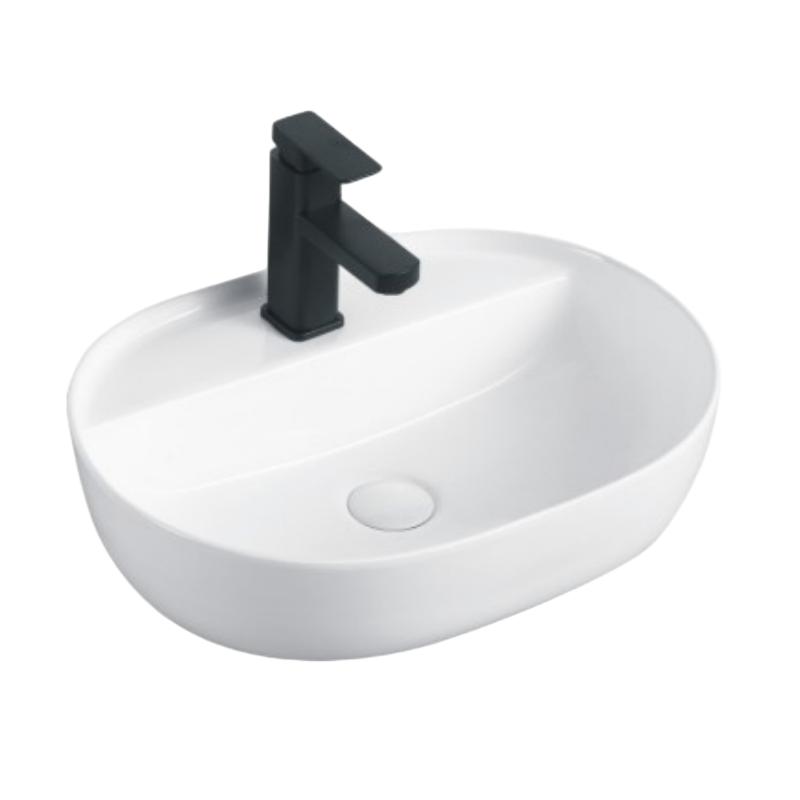
Art Countertop Sinks: Bold geometric presence; showcases design craftsmanship with minimal countertop cutouts. Ideal for Boutique Hotels and Modern Residential Enclaves.
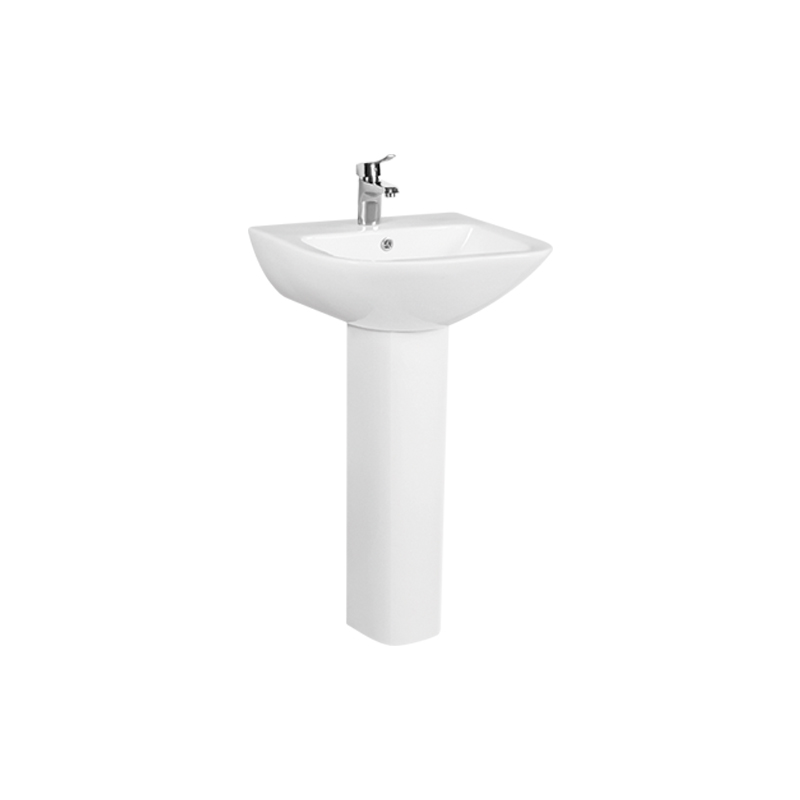
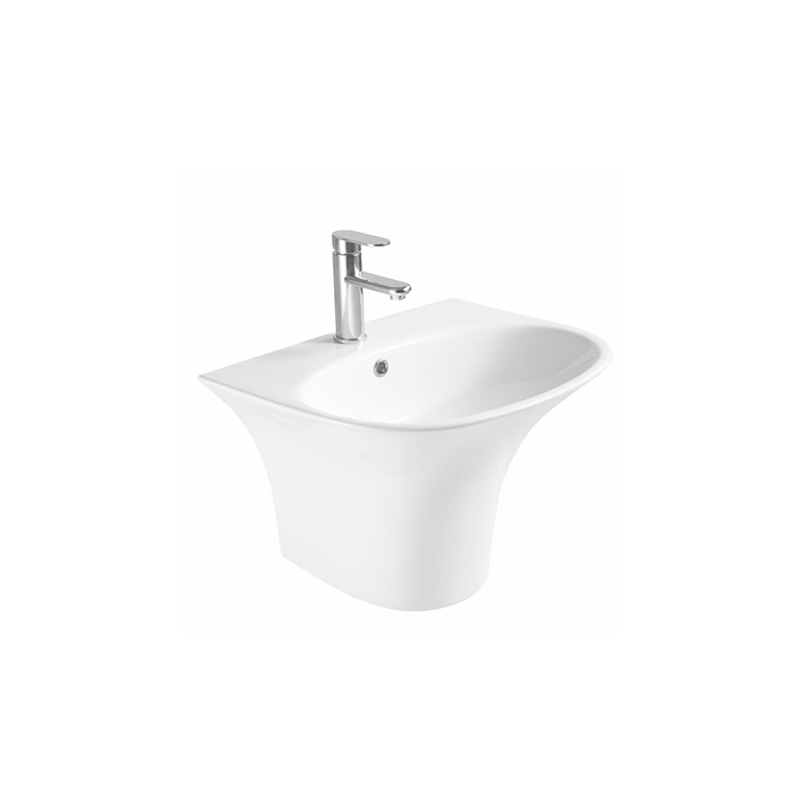
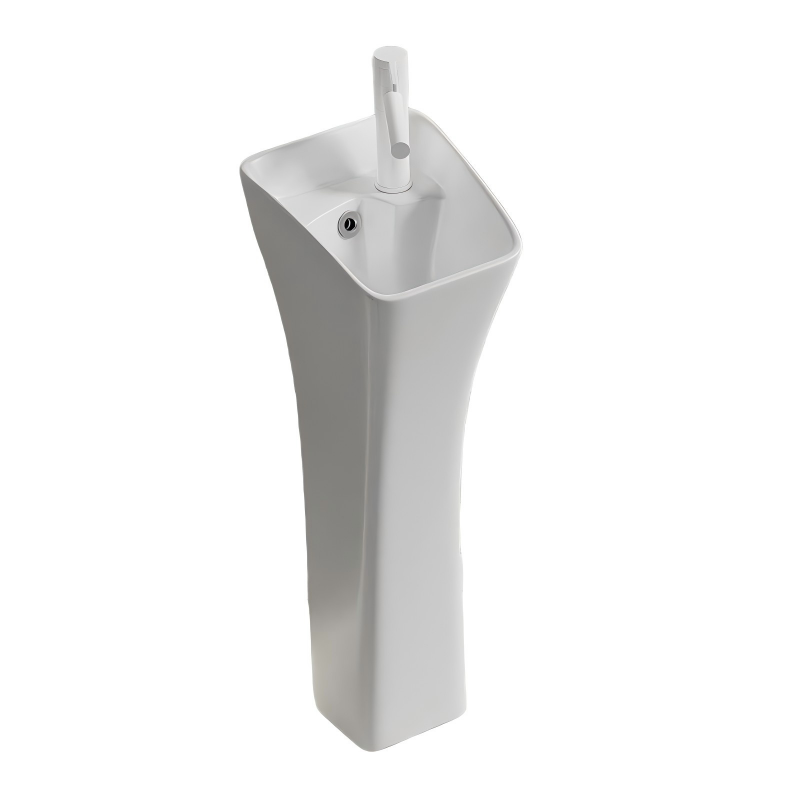
Wall-Hung / Pedestal Sinks: Maximizes floor space footprint; structural support is entirely independent of cabinetry. Perfect for Compact Urban Apartments or Public Restrooms.
When reviewing technical drawings for commercial sinks, pay specific attention to the overflow channel engineering. A properly integrated internal overflow cavity ensures that accidental blockages do not lead to costly multi-floor flooding incidents.
Conclusion: The Strategic Advantage of Sourcing with WEESUM
Selecting the optimal toilet and sink combination requires more than evaluating a retail product catalog. It demands a close relationship with an industrial manufacturer that commands strict control over clay composition, kiln consistency, and engineering certifications.
At WEESUM, we specialize in bridging the gap between high-end architectural aesthetics and extreme commercial durability. Our complete line of vitrified ceramic toilets and precision-molded sinks are engineered specifically to meet the high-density requirements of global wholesale distributors and international developers. Explore our full technical engineering catalogs and configure your custom OEM/ODM production run today by visiting our global procurement hub at www.weesum.com.