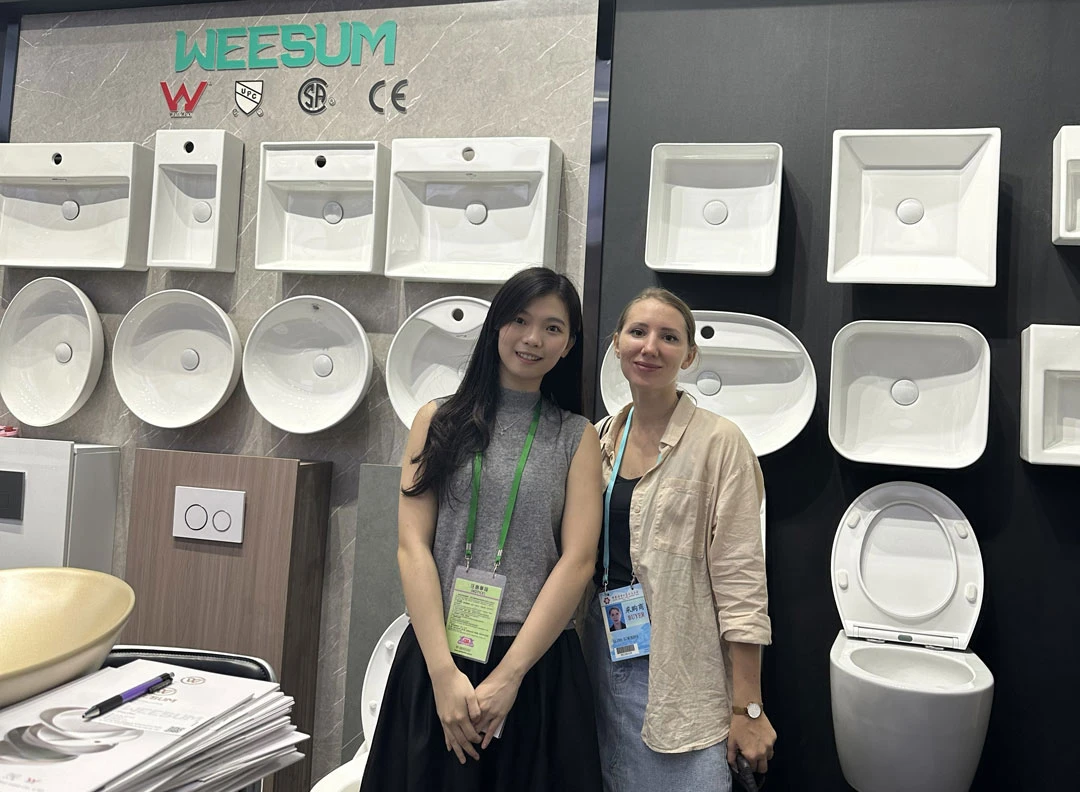
Are You Asking the Right Questions Before Choosing a Sanitary Ware Supplier?
Choosing the wrong sanitary ware Supplier can lead to delayed shipments, inconsistent quality, failed compliance inspections, and costly customer complaints. Many buyers focus only on price while overlooking critical supply chain risks hidden behind attractive quotations. The result is unexpected production delays, rejected containers, warranty claims, or damaged brand reputation. The solution is to evaluate every Manufacturer through a structured supplier assessment before placing any order. Asking the right questions about production capability, quality management, certification, customization, delivery performance, and after-sales support helps reduce commercial uncertainty and builds a resilient procurement strategy that protects your long-term business growth.
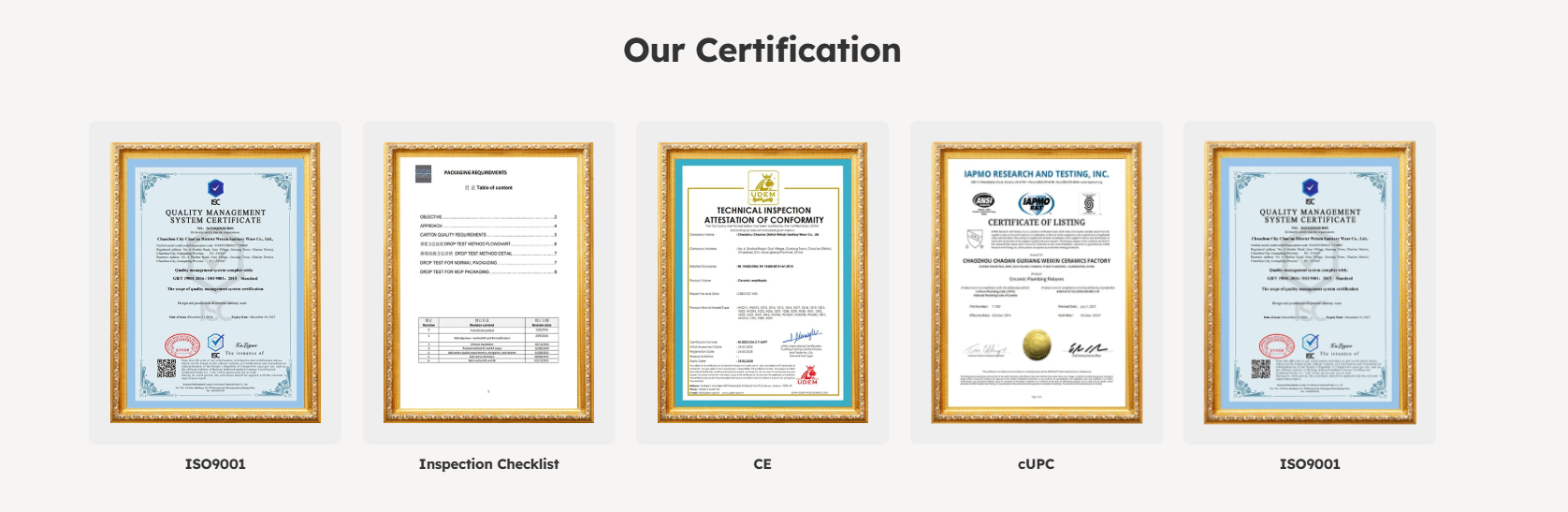
A qualified sanitary ware Supplier should demonstrate stable manufacturing capacity, verified ISO 9001, CE, cUPC, WaterMark, BSCI, transparent quality inspection procedures, flexible OEM and ODM capability, and reliable delivery performance. WEESUM combines advanced ceramic manufacturing, strict quality control, and Customizable solutions for global wholesalers and project buyers.
Professional importers understand that the best purchasing decisions are based on facts instead of promises. The following guide reveals the supplier evaluation methods, factory audit checkpoints, commercial risk indicators, and procurement strategies experienced buyers use before signing long-term cooperation agreements.

Exactly Which Products Fall Under the Category of Sanitary Ware?
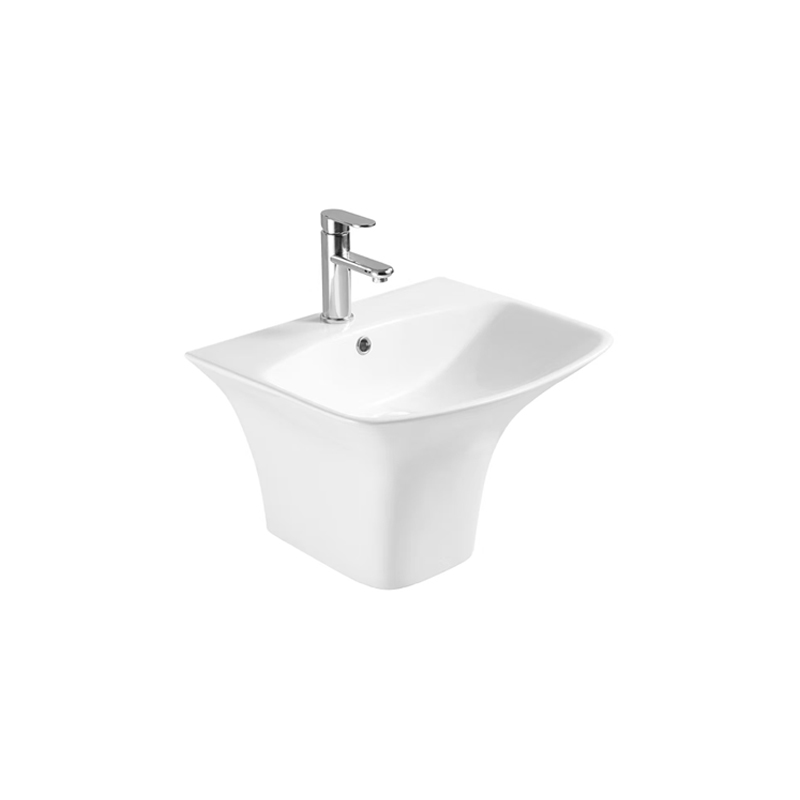
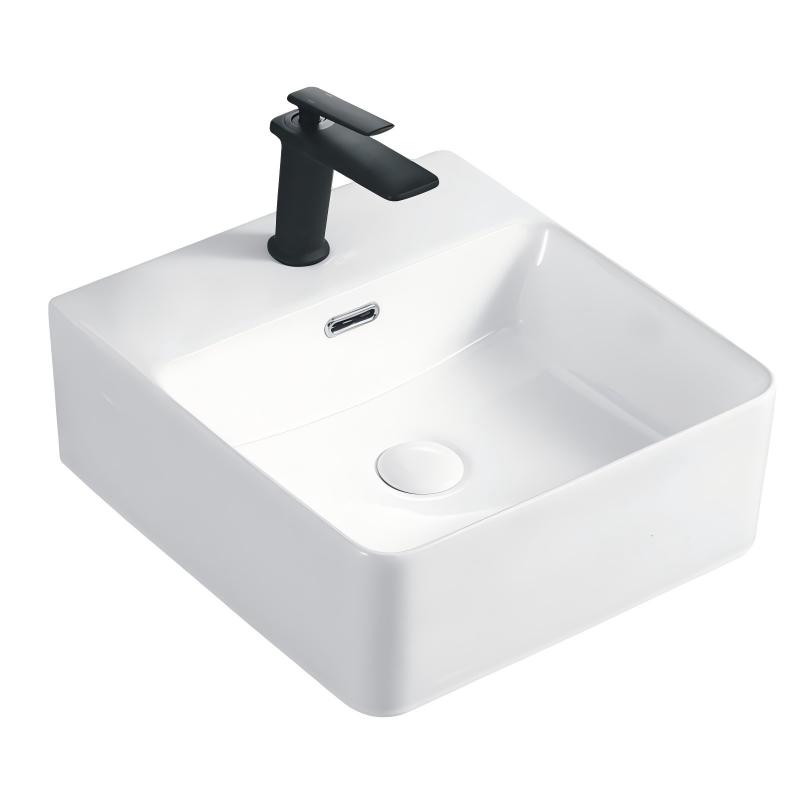
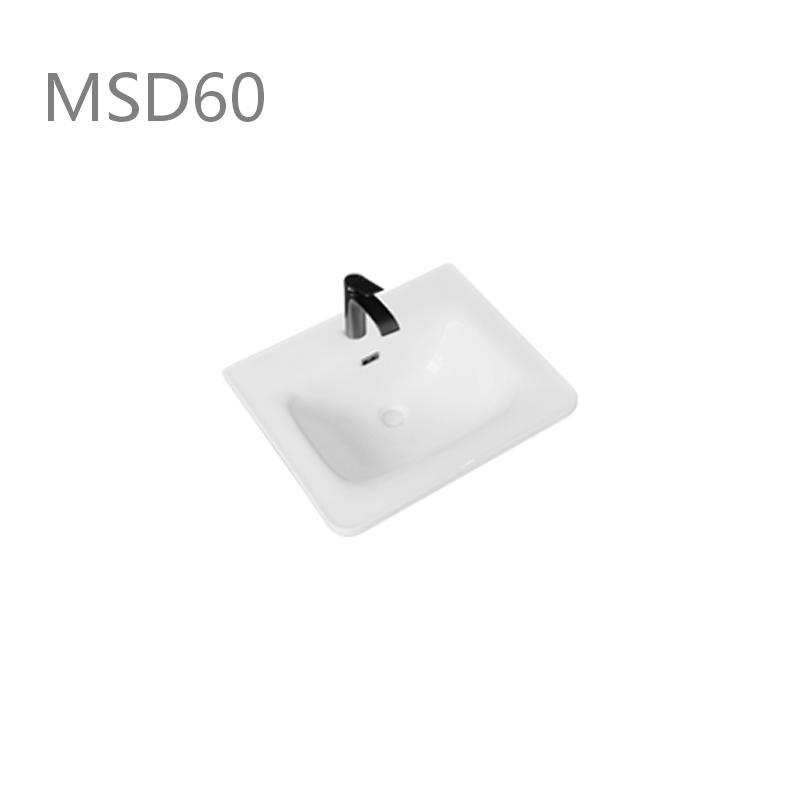
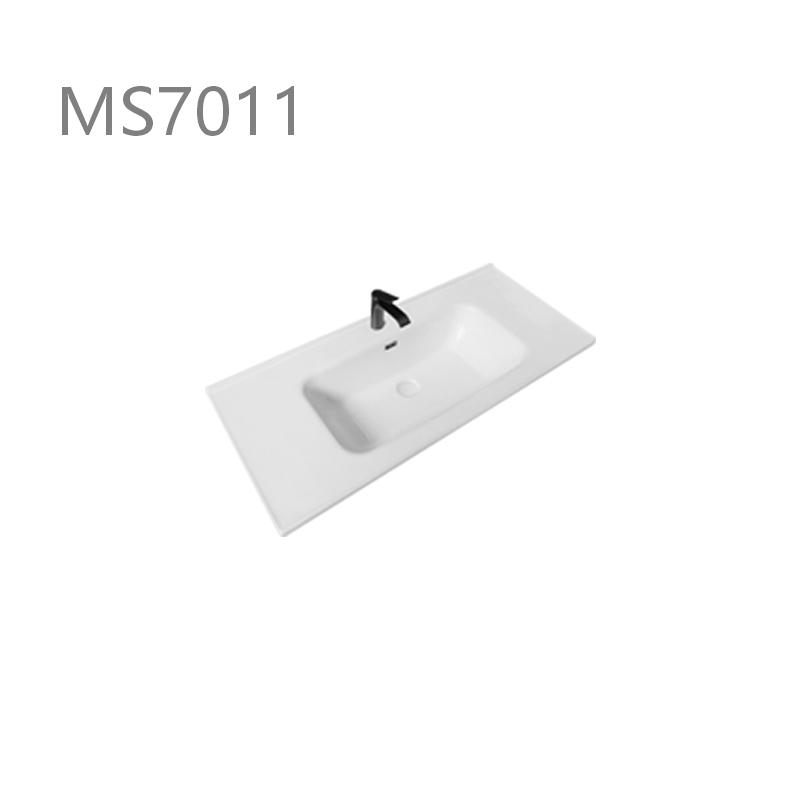
Sanitary ware includes ceramic products and supporting bathroom solutions designed for residential, commercial, hospitality, and public construction projects. A professional Manufacturer usually offers standardized products alongside Customizable OEM and ODM services to satisfy different market demands.
- Ceramic wash basins
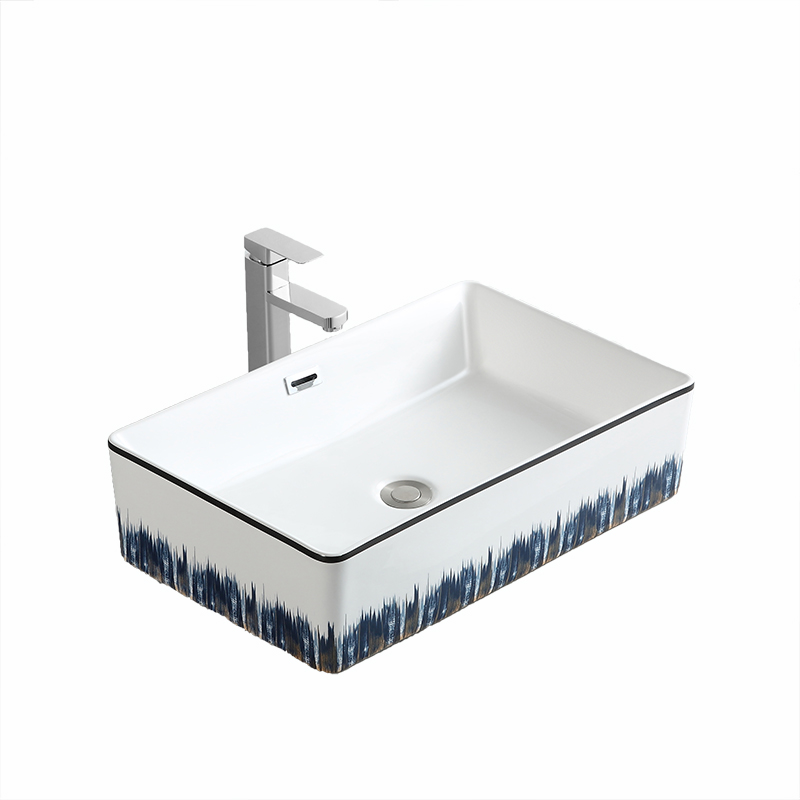
- Countertop basins
- Wall-hung basins
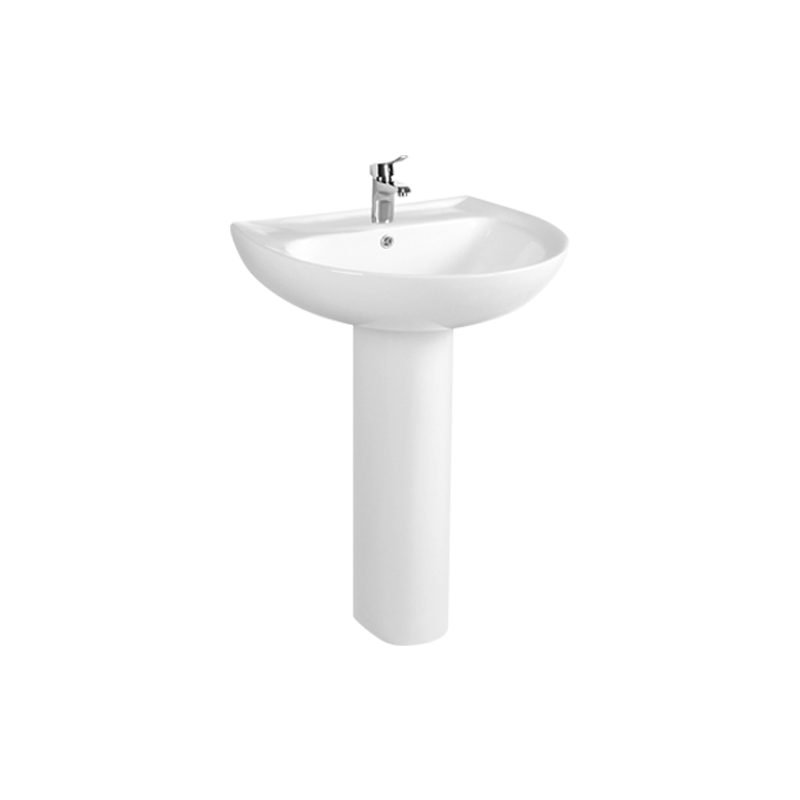
- Pedestal basins
- Undercounter basins
- Vanity basins
- One-piece toilets
- Two-piece toilets
- Wall-hung toilets
- Smart toilets
- Bathroom cabinets
- Matching bathroom accessories
Different customer groups often require different product combinations. Building contractors prioritize stable supply and installation compatibility, while wholesalers focus on product variety, packaging flexibility, and branding opportunities. Retail brands usually require OEM or ODM development with exclusive designs and Customizable packaging.
| Buyer Type | Main Purchasing Focus | Recommended Service |
|---|---|---|
| Wholesalers | Competitive pricing, stable inventory | OEM, Customizable packaging |
| Brand Owners | Exclusive products and branding | ODM development |
| Construction Projects | Delivery reliability and consistency | Mass production supply |
| Hotel Projects | Uniform quality and durability | Project customization |
What Makes A Sanitary Ware Supplier Worth Your Trust?
A trustworthy Manufacturer is evaluated by measurable operational performance rather than marketing claims. Buyers should verify every stage of the supply chain before confirming cooperation.
Manufacturing Capability
- Modern production facilities
- Stable monthly production capacity
- Automated production equipment
- Professional engineering support
Quality Assurance
A professional Supplier operates a complete Quality Management System supported by multiple inspection checkpoints.
- Raw material inspection
- Body forming inspection
- Glazing inspection
- Kiln firing inspection
- Appearance inspection
- Functional testing
- Packaging inspection
- Pre-shipment inspection
International Compliance
Export markets often require recognized certifications to reduce procurement risk.
| Certificate | Purpose | Buyer Benefit |
|---|---|---|
| ISO 9001 | Quality Management | Stable production consistency |
| CE | European compliance | Market access |
| cUPC | North American plumbing standard | Regulatory compliance |
| WaterMark | Australian certification | Project qualification |
| SASO | Saudi Arabia compliance | Middle East exports |
| BSCI | Social responsibility audit | Supply chain credibility |
Reliable Suppliers also provide transparent documentation including factory audit reports, product testing reports, quality records, and clear warranty policies.
How To Evaluate Sanitary Ware Suppliers
Experienced procurement managers follow a structured evaluation process before selecting a Manufacturer. This minimizes commercial uncertainty while ensuring long-term supply stability.
Key Questions Every Buyer Should Ask
- Are you a Manufacturer or trading company?
- What is your monthly production capacity?
- Which international certifications do your products hold?
- Can you provide OEM or ODM services?
- What products are Customizable?
- How do you perform quality inspections?
- Can buyers conduct a factory audit?
- What is your sample lead time?
- What is your production lead time?
- How do you handle defective products?
- What packaging options are available?
- Which export markets do you currently serve?
Commercial Risk Assessment
Buyers should identify potential supply chain risks before confirming orders.
- Production delays
- Quality inconsistency
- Certification non-compliance
- Raw material price fluctuation
- Packaging damage
- Late shipment
- Poor communication
- After-sales disputes
Conducting regular supplier performance reviews, monitoring delivery records, and requesting periodic quality audit reports significantly reduces procurement risks.
A Reliable Sanitary Ware Partner – WEESUM Sanitary Ware Factory
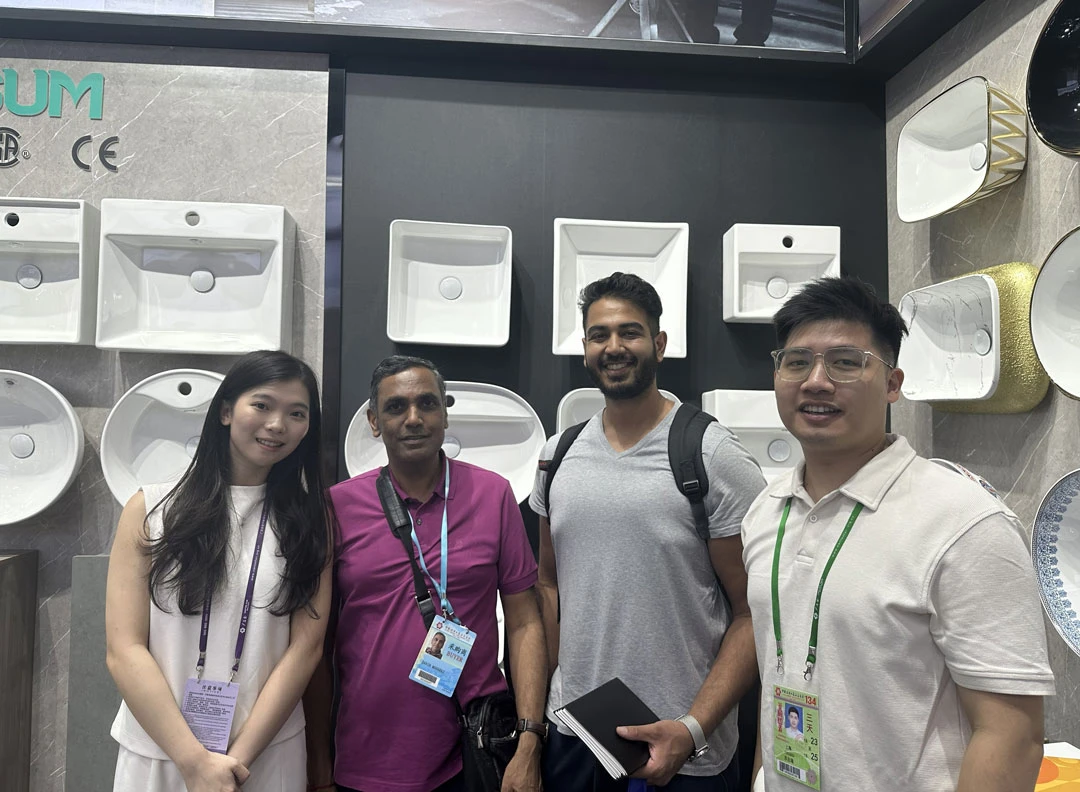
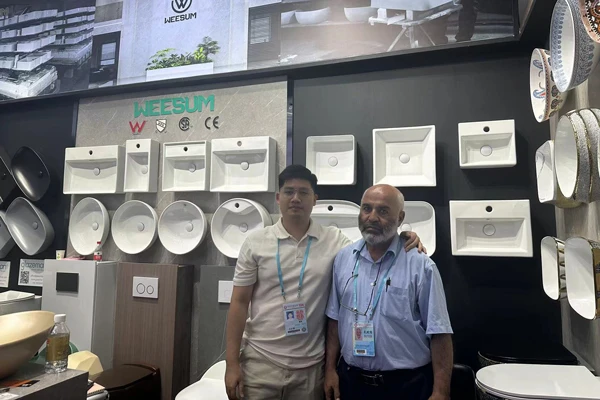
WEESUM is an experienced ceramic sanitary ware Manufacturer dedicated to serving global wholesalers, importers, distributors, retailers, and project contractors. Located in Chaozhou, China, WEESUM combines advanced ceramic manufacturing technology with efficient supply chain management to provide dependable OEM and ODM solutions.
Our production facility features more than 30 advanced high-pressure casting lines, automated production equipment, and a manufacturing area exceeding 50,000 square meters. Monthly production capacity exceeds 100,000 pieces, allowing us to support both large-volume wholesale orders and Customizable production requirements.
WEESUM maintains strict quality control throughout every manufacturing stage, supported by internationally recognized ISO 9001, CE, cUPC, NSF, WaterMark, SASO, and BSCI certifications. Every order follows standardized inspection procedures, ensuring stable product quality and consistent delivery performance.
Whether customers require standard ceramic basins, toilets, bathroom cabinets, private-label branding, or complete OEM and ODM development, WEESUM provides flexible manufacturing solutions designed to strengthen customers’ competitiveness in international markets.
FAQs
What is the most important question to ask a sanitary ware Supplier?
The first question should verify whether the company is a genuine Manufacturer with proven production capability, complete quality management systems, and export experience.
Why are certifications important?
Recognized certifications demonstrate compliance with international regulations, improve buyer confidence, and simplify customs clearance in target markets.
Can OEM and ODM services reduce sourcing costs?
Yes. OEM and ODM cooperation allows buyers to build differentiated product lines, improve brand value, and optimize long-term procurement efficiency.
How can I reduce procurement risks?
Request factory audits, verify inspection reports, review export history, evaluate production capacity, and maintain regular communication throughout the production process.
Why choose WEESUM?
WEESUM offers reliable manufacturing capability, international certifications, Customizable OEM and ODM solutions, stable quality, competitive pricing, and responsive professional support for global B2B customers.
Build Stronger Supply Chains with the Right Manufacturing Partner
Select a Manufacturer that delivers verified quality, dependable capacity, transparent communication, and long-term cooperation. Contact WEESUM today to discuss your OEM, ODM, and Customizable sanitary ware sourcing requirements and build a more reliable global supply chain.