Why a Poorly Planned Private Label Sink Line Can Hurt Your Brand
Launching a private label bathroom sink line is more than putting a logo on a ceramic basin. If product positioning is unclear, colors do not match your market, packaging is weak, or the catalog lacks a logical structure, your products may look interchangeable with competitors. That can reduce retail appeal, create inventory problems, and weaken your brand. A clear plan covering product selection, logo, packaging, color, and catalog structure helps a Wholesaler build a more consistent and profitable collection.
To develop a private label bathroom sink line, define your target market, select the right basin styles, establish logo and packaging standards, choose marketable colors, and organize a clear catalog. WEESUM supports Customizable ceramic basins and OEM and ODM cooperation for wholesalers, importers, and private label bathroom brands.
1. Define Your Product Positioning Before Choosing Products
The first step is deciding what your private label bathroom sink line should represent. A Manufacturer can offer hundreds of designs, but your brand does not need all of them. A focused collection is easier for customers to understand, easier for your sales team to present, and easier for a Wholesaler to manage in inventory.
Identify Your Target Customer
Start by answering a few practical questions about your market:
- Who will buy the products: homeowners, contractors, bathroom retailers, or project buyers?
- Will the products be sold online, in physical stores, or through both channels?
- Is your brand positioned as affordable, mid-range, premium, or design-focused?
- What bathroom styles are popular in your market?
- What price range can your customers accept?
For example, a bathroom brand serving design-conscious retail customers may prioritize countertop basins, thin-rim designs, matte finishes, marble-look surfaces, and decorative styles. A project-focused Supplier may instead emphasize practical dimensions, easy installation, consistent quality, and competitive pricing.
Build the Collection Around a Clear Position
A strong private label line should have a recognizable product language. Instead of selecting unrelated products simply because they are available, group products according to a clear commercial strategy.
- Modern minimalist collection
- Premium decorative collection
- Practical project collection
- Compact bathroom collection
- Color-focused collection
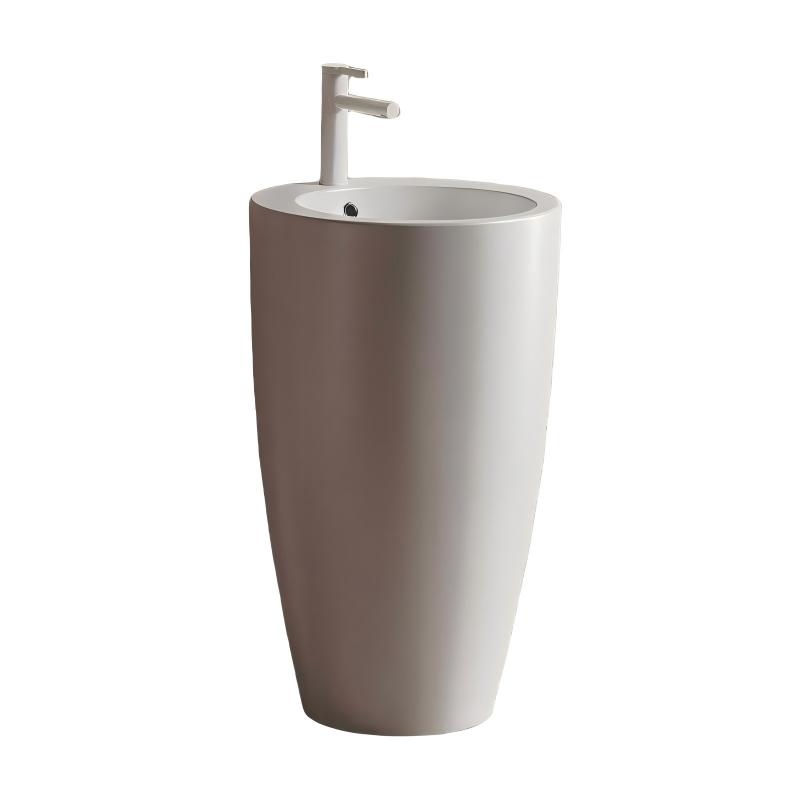
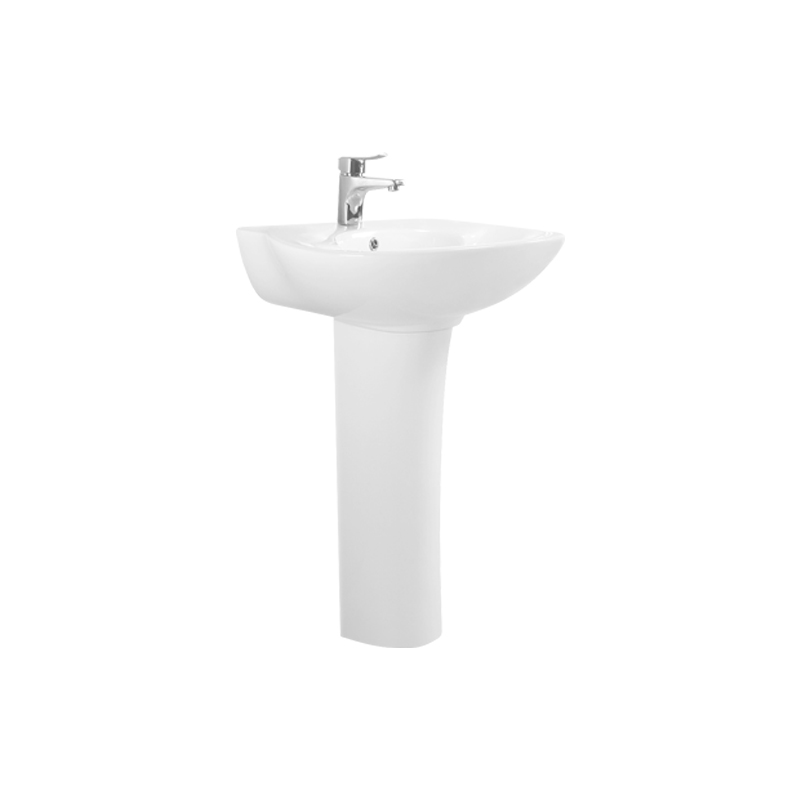
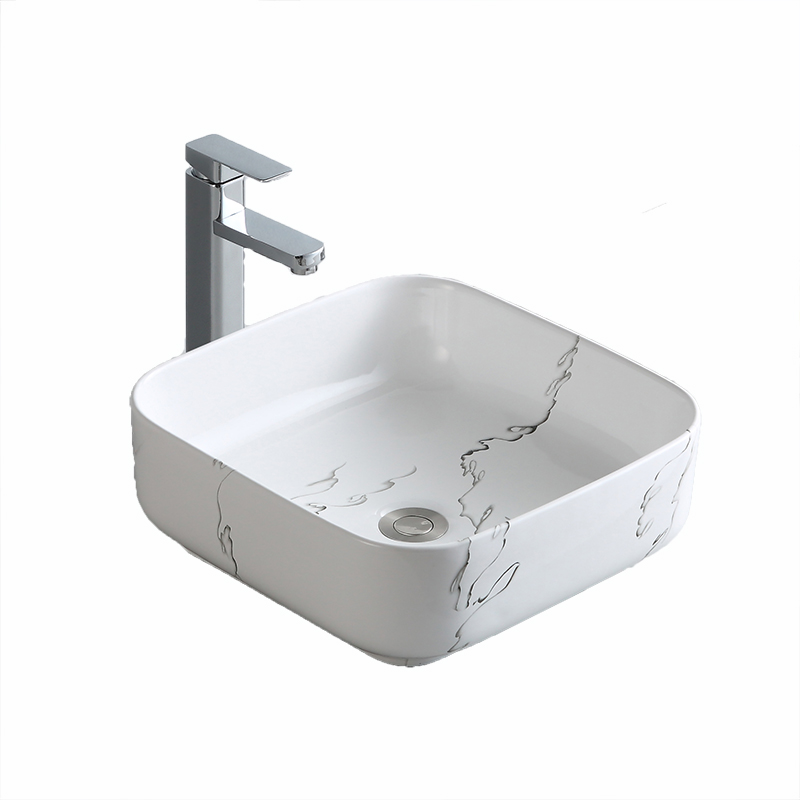
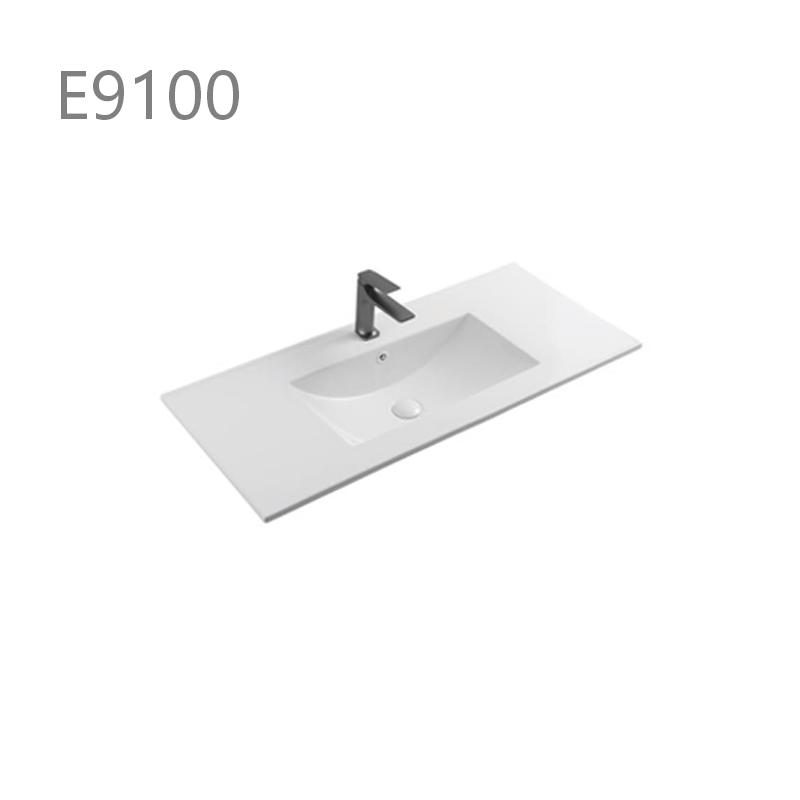
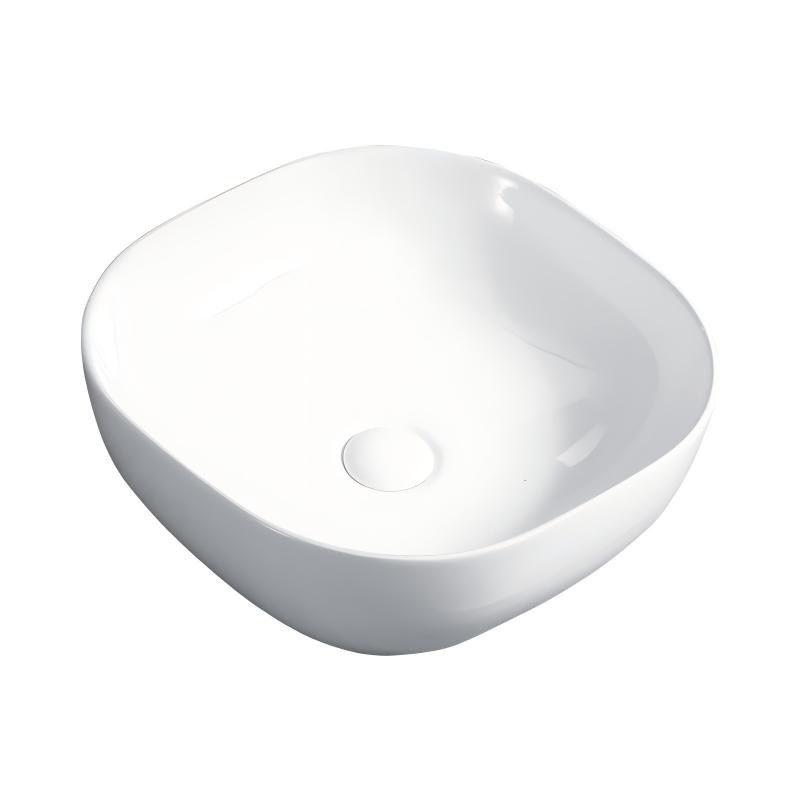
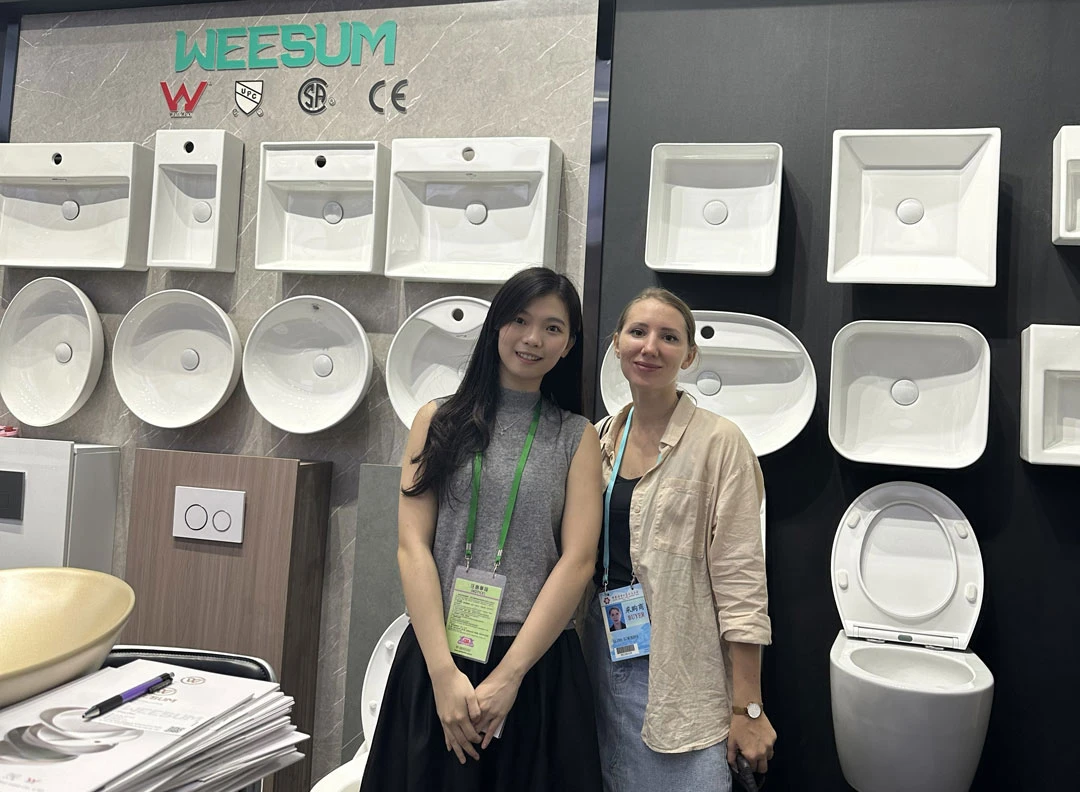
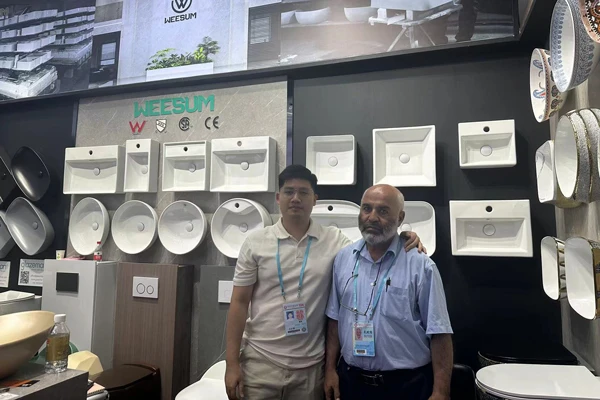
WEESUM offers a broad ceramic basin portfolio, including countertop, pedestal, undercounter, vanity, wall-hung, colored, electroplated, and marble-look basins. This range gives buyers flexibility when developing a private label collection around different market positions.
2. Select the Right Bathroom Sink Product Range
Once your positioning is clear, decide which basin types should form the core of your private label line. The goal is not simply to offer many products. The goal is to create a range that covers important customer needs while maintaining a coherent brand identity.
Consider Different Installation Types
| Basin Type | Potential Market Position | Typical Commercial Value |
|---|---|---|
| Countertop basin | Modern and design-focused | Strong visual appeal for retail and showrooms |
| Undercounter basin | Practical and integrated | Suitable for projects and furniture applications |
| Vanity basin | Furniture-oriented | Useful for bathroom cabinet partnerships |
| Wall-hung basin | Space-saving | Suitable for compact and commercial bathrooms |
| Pedestal basin | Traditional and functional | Useful for selected residential applications |
A balanced collection can combine several installation types while keeping the same design language, glaze quality, logo placement, and packaging standards.
Start With Core Products
For a new private label brand, it can be more practical to begin with a focused selection rather than immediately launching a very large catalog.
- Select the main customer segment.
- Choose several core basin shapes.
- Add different sizes where the market requires them.
- Select a limited number of finishes or colors.
- Identify premium products that can differentiate the collection.
- Remove products that overlap too heavily with each other.
3. Create a Professional Private Label Logo Strategy
Your logo is one of the simplest ways to turn a standard ceramic basin into a recognizable private label product. However, logo application should look consistent with the product design rather than appearing as an afterthought.
Decide Where the Logo Should Appear
Depending on the product and manufacturing process, the brand may be presented through appropriate logo application on the ceramic product, packaging, product documentation, or a combination of these elements.
- Define the exact logo artwork before production.
- Provide clear brand colors and visual guidelines.
- Confirm the logo size and placement with the Manufacturer.
- Approve samples before mass production.
- Keep logo presentation consistent across the product range.
WEESUM supports logo application as part of its light customization service. This can allow a Wholesaler or private label brand to establish consistent branding without necessarily developing an entirely new basin mold.
Keep the Brand Identity Consistent
A private label line looks more professional when the same visual identity appears across the basin, packaging, catalog, website, and showroom materials. The logo should therefore be treated as part of the overall product system rather than a separate purchasing detail.
4. Choose Colors Based on Market Demand
Color can make a bathroom sink line more distinctive, but adding too many colors can increase complexity and inventory pressure. The best approach is to build a controlled color strategy around your target customers.
Start With a Core Color System
White ceramic remains an important foundation for many sanitary ware collections, while matte, colored, marble-look, and metallic visual treatments can help create differentiated product ranges.
- Use core colors for products expected to generate consistent volume.
- Use distinctive colors selectively for premium or design-led collections.
- Consider whether your retailers can display multiple colors effectively.
- Check whether the same color concept can be applied across several basin models.
- Confirm glaze and finish requirements with the Supplier before production.
WEESUM offers colored basins, marble-look designs, and electroplated visual finishes including gold, rose gold, silver, and chrome. These options can be considered when building a more differentiated private label collection.
Use Color to Create Product Tiers
One practical strategy is to use color and finish to create different commercial levels without completely changing the product structure.
| Collection Level | Possible Product Treatment | Brand Purpose |
|---|---|---|
| Core | Classic white ceramic | Stable volume and broad market appeal |
| Design | Matte or selected colors | Visual differentiation |
| Premium | Marble-look or metallic finishes | Higher-end positioning |
5. Develop Packaging That Protects Both Product and Brand
Packaging has two jobs in sanitary ware: protecting fragile ceramic products during transportation and presenting your brand professionally when the goods arrive at the warehouse or showroom.
Packaging Should Be Discussed Early
Do not wait until the production stage to discuss packaging. Your packaging requirements should be part of the product development process.
- Confirm the carton structure and product protection requirements.
- Define where the logo and product information should appear.
- Check whether packaging needs multilingual information.
- Confirm model numbers and product identification.
- Consider whether packaging should support warehouse management.
For international wholesale orders, packaging design should also work with the practical requirements of transportation, storage, product identification, and receiving inspection.
Make Packaging Part of the Brand Experience
A private label bathroom brand should ideally use consistent visual elements across packaging. The same logo, colors, product naming system, and design style can make individual products look like part of one professional collection.
6. Build a Logical Product Catalog
A catalog is particularly important for B2B sanitary ware because purchasing managers, retailers, contractors, and distributors often need to compare multiple products before placing an order.
Organize Products by Commercial Logic
A useful catalog should allow buyers to quickly understand what the product is, where it fits, and why they should consider it.
- Introduce the private label brand and its positioning.
- Divide products into clear collections.
- Show product photos and installation types.
- Provide model numbers and key dimensions.
- Identify available colors and finishes.
- Present customization options where applicable.
- Include relevant technical and packaging information.
- Provide clear contact and quotation information.
Create a Product Naming System
A consistent naming system makes communication with your Supplier and internal sales team easier. Instead of relying only on descriptive names, assign clear model numbers that can be used for quotations, samples, purchase orders, packaging, and after-sales communication.
For example, your catalog could organize products by collection, installation type, size, and finish. The exact naming system should match your business structure, but consistency is essential.
7. Decide Between Standard Products, OEM and ODM
Private label development does not always require a completely new product. A smart strategy is to choose the right level of customization for each product.
Use Existing Products When Speed Matters
If your priority is entering the market quickly, an existing basin model may provide the most practical starting point. You can focus on logo, packaging, color, glaze, and catalog presentation.
Use ODM for Product Development Efficiency
ODM can allow your brand to work from a Manufacturer existing product development capabilities while adapting suitable products to your market. This can reduce the complexity of starting from an entirely new concept.
Use OEM for Strong Differentiation
When your brand requires specific dimensions, structures, shapes, or other product requirements, deeper OEM development may be appropriate. This approach generally requires more communication, sampling, evaluation, and development planning.
WEESUM supports both light customization and deeper OEM and ODM cooperation, allowing buyers to select an approach according to their brand strategy, development requirements, and expected order volume.
8. Plan Your Private Label Line Step by Step
A structured development process can reduce unnecessary revisions and make communication with the Manufacturer more efficient.
- Define your target market and customer profile.
- Set your desired retail and wholesale positioning.
- Select the basin categories that fit the market.
- Choose initial models and product sizes.
- Define your brand logo and visual identity.
- Select core colors and finishes.
- Confirm customization requirements with the Supplier.
- Develop and approve samples.
- Finalize packaging and product identification.
- Build the catalog and sales materials.
- Confirm order volume, production requirements, and delivery schedule.
- Launch the collection and monitor market feedback.
9. Use Market Feedback to Expand the Collection
A private label line should evolve according to actual sales data rather than assumptions. Once the first products enter the market, identify which shapes, sizes, colors, and finishes generate the strongest demand.
- Keep high-performing models as core products.
- Expand successful designs into additional sizes where appropriate.
- Reduce slow-moving colors or overlapping models.
- Develop new products around proven customer preferences.
- Use customer feedback to guide future OEM and ODM projects.
This approach allows a Wholesaler to build the collection progressively. Instead of investing heavily in every possible design from the beginning, you can use actual market performance to determine where deeper product development is justified.
Build a Private Label Bathroom Sink Line With a Factory Partner
A successful private label bathroom sink line requires more than attractive designs. Product positioning, logo application, color selection, packaging, catalog planning, manufacturing capability, and customization should work together as one commercial system.
WEESUM is a China-based ceramic sanitary ware Manufacturer serving international wholesalers, distributors, project buyers, and private label customers. Its basin portfolio covers multiple installation types and design directions, with Customizable logo, color and glaze options as well as OEM and ODM development capabilities.
For a new private label collection, you can begin with selected existing products, develop a focused color and branding system, and gradually add deeper customized products as your market grows.
Start Developing Your Private Label Sink Collection
Define your market, select your core basin styles, and build a consistent brand system before ordering. Contact WEESUM to discuss customizable ceramic basins, OEM and ODM options, product selection, packaging, and a quotation for your private label bathroom sink line.
:::