How to Choose One-Piece Toilets for Wholesale: Avoiding Supply Chain Risks
Choosing one-piece toilets for wholesale can become a costly supply chain problem when product quality, compliance, and production capacity are unclear. A weak Supplier may offer attractive prices but create hidden quality risks, inconsistent batches, delayed shipments, or failed market inspections. These problems can lead to inventory losses, customer complaints, project delays, and damaged brand reputation. The solution is to evaluate the entire Supply Chain before placing a bulk order: product structure, flushing performance, factory capacity, certification, quality control, production lead time, packaging, and after-sales support. A reliable Manufacturer should provide transparent evidence at every critical audit point, helping wholesalers control commercial risk before production starts.
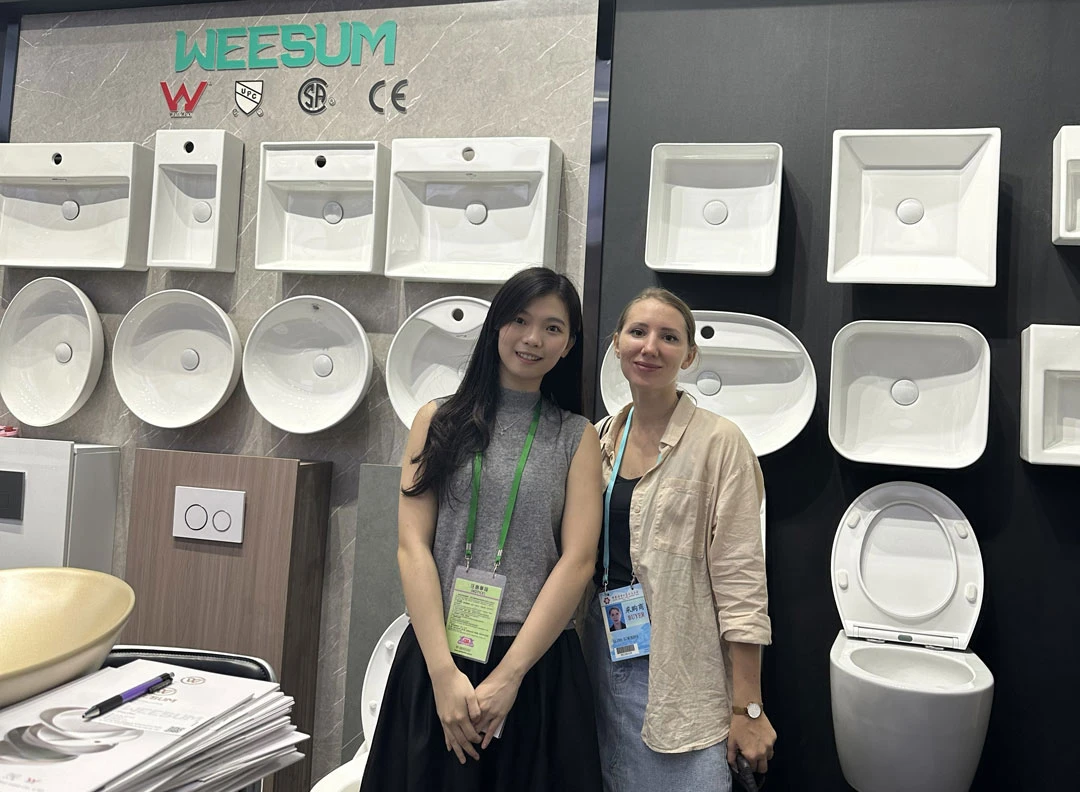
A qualified one-piece toilet Supplier should combine stable factory capacity, proven quality control, market-appropriate certifications, competitive bulk pricing, reliable delivery, and Customizable OEM/ODM capability. WEESUM provides export-oriented ceramic sanitary ware manufacturing, advanced production facilities, international certifications, and wholesale customization support for global buyers.
The following sections reveal the practical selection criteria experienced sanitary ware buyers use before approving a Manufacturer. From flushing technology and project suitability to factory audits and compliance checks, these details can help wholesalers make a safer purchasing decision.
What Is a One-Piece Toilet?
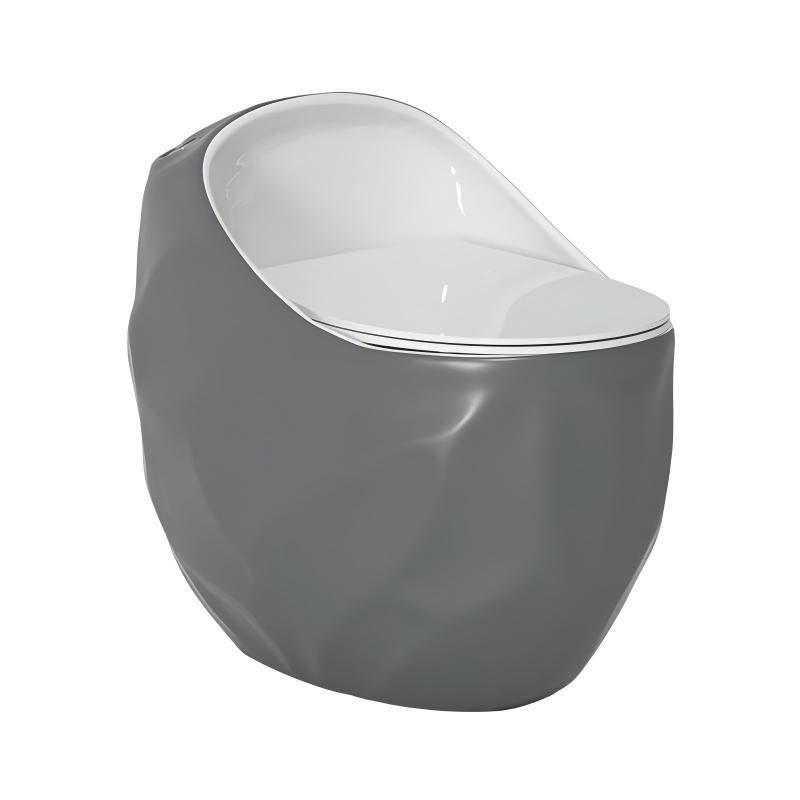
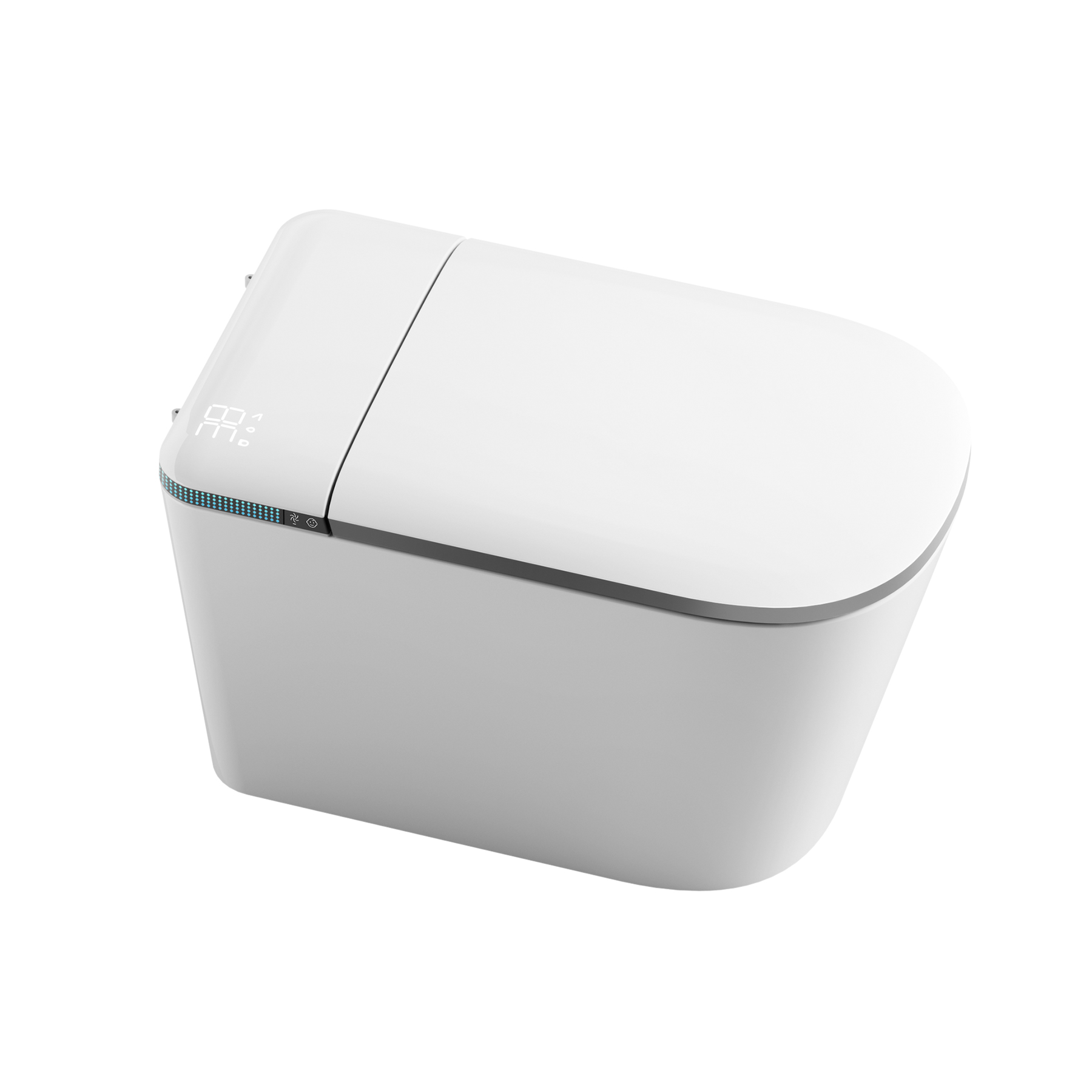
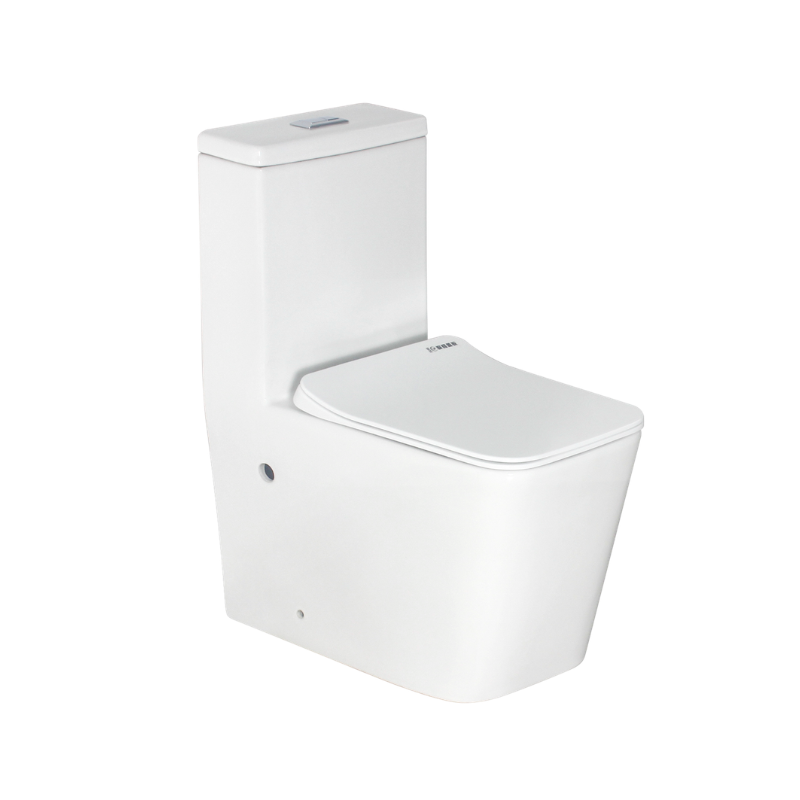
A one-piece toilet integrates the toilet bowl and water tank into a single ceramic structure. Compared with a conventional two-piece toilet, this design has fewer visible joints, creating a cleaner appearance and reducing areas where dust and dirt can accumulate. For wholesalers, the value is not only aesthetic. A well-designed one-piece toilet can offer easier cleaning, strong structural integrity, and a modern appearance suitable for residential, hospitality, and commercial applications.
When evaluating a one-piece toilet, buyers should examine more than the appearance of the ceramic body. Key technical points include:
- Flushing performance and resistance to clogging.
- Water consumption according to the requirements of the target market.
- Ceramic dimensions, glaze consistency, and surface quality.
- Seat, hinge, valve, and other component quality.
- Packaging strength for long-distance Export Logistics.
- Availability of relevant certification and test documentation.
For bulk purchasing, consistency is particularly important. A Supplier must be able to reproduce the approved sample across large production batches. This is why factory capability and Quality Control should be evaluated alongside product design.
Which Flushing Systems Are Better Suited to Your Market? Wash-Down or Siphon?
Flushing technology directly affects user experience, product positioning, and market acceptance. Wash-down systems generally use the force of incoming water to push waste through the trapway. They can offer a relatively straightforward structure and may suit markets where simplicity and cost control are major purchasing priorities.
Siphonic systems use a water-driven siphoning effect to pull waste through the trapway. They are widely associated with strong waste removal, quieter operation, and effective bowl cleaning. WEESUM one-piece toilet models are positioned around features including powerful siphonic flushing, water-saving performance, anti-clogging design, and quiet use.
| Factor | Wash-Down | Siphon |
|---|---|---|
| Flushing principle | Water pushes waste downward | Siphonic action pulls waste through |
| Typical advantage | Simple structure and cost efficiency | Strong waste removal and quieter operation |
| Buyer focus | Price-sensitive markets | Performance and comfort-oriented markets |
| Selection priority | Local market requirements | Local standards and user expectations |
There is no universal winner. A professional Manufacturer should help the buyer match the flushing system with local standards, consumer preferences, price positioning, and project requirements.
Why One-Piece Toilets Are Popular for Commercial Projects
One-piece toilets are increasingly attractive for commercial projects because they combine modern appearance with practical maintenance advantages. Hotels, apartments, offices, property developments, and hospitality projects often need hundreds or thousands of toilets with consistent specifications. In these situations, product uniformity becomes a major Procurement Requirement.
The integrated ceramic construction provides a visually streamlined appearance and fewer external connection points between the bowl and tank. The smooth form can also simplify routine cleaning, which is valuable in high-use environments. For developers and contractors, another important consideration is specification consistency. Once a model is approved, every production batch should maintain the same dimensions, glaze appearance, flushing configuration, and accessories.
For project purchasing, buyers should establish clear Quality Inspection checkpoints before production:
- Confirm technical drawings and approved samples.
- Verify raw material and ceramic production standards.
- Conduct Pre-Production Inspection where necessary.
- Monitor dimensions, glaze, flushing components, and appearance during production.
- Perform Final Inspection before shipment.
- Check export packaging and loading procedures.
A capable Supplier should be able to support these requirements without disrupting the agreed Production Schedule.
Key Factors to Consider When Buying One-Piece Toilets in Bulk
Bulk procurement should be treated as a complete supply chain evaluation rather than a simple price comparison. A low unit price does not necessarily represent the lowest total purchasing cost. Buyers should calculate the potential impact of breakage, defective goods, replacement parts, delayed delivery, customs issues, and Warranty Risk.
| Procurement Factor | What Wholesale Buyers Should Verify |
|---|---|
| Product quality | Ceramic body, glaze, dimensions, flushing performance |
| Compliance | Applicable CE, CUPC, NSF, WaterMark, SASO or other market requirements |
| Factory capacity | Production lines, monthly output, process control |
| MOQ | Minimum order quantity and model-mixing flexibility |
| Lead time | Sample, production, inspection, and shipping schedules |
| Customization | Logo, glaze, color, model adaptation, OEM and ODM development |
| Packaging | Protection against Breakage Risk during export transportation |
WEESUM states an MOQ of 50 pieces and provides sample lead times of approximately 10 to 15 days depending on the style. For international buyers, the critical point is to confirm these commercial terms for the exact model before signing a Purchase Contract.
Check Compliance Before Production
Certification should never be treated as a decorative sales claim. The buyer should identify which standards are mandatory in the destination market and request the corresponding documents, test reports, and product-model applicability. WEESUM lists ISO9001, CE, CUPC, NSF, WaterMark, SASO, and BSCI among its certifications.
The correct approach is to connect the certification with the exact product, configuration, destination country, and applicable regulatory requirement. This reduces Compliance Risk and prevents a common purchasing mistake: assuming that one certificate automatically satisfies every market.
How to Choose a Reliable One-Piece Toilet Manufacturer
The most reliable way to select a Manufacturer is to evaluate its factory, process controls, documentation, and communication before focusing on price. A genuine production factory should be able to explain how ceramic bodies are formed, dried, glazed, fired, inspected, packaged, and shipped. WEESUM describes a manufacturing process involving high-pressure casting, green-body drying and trimming, glazing, tunnel-kiln firing, finished-product inspection, packaging, and shipping.
During a factory audit, wholesalers should pay particular attention to these Audit Nodes:
- Production Capacity Audit: verify whether capacity matches your forecast volume.
- Quality System Audit: examine inspection procedures and defect handling.
- Compliance Audit: verify applicable certificates and documentation.
- Process Audit: review casting, glazing, firing, inspection, and packaging.
- Supply Chain Audit: assess component sourcing and delivery stability.
- Pre-Shipment Inspection: confirm the finished goods match the approved specification.
WEESUM presents more than 30 years of manufacturing experience, a production base exceeding 50,000 square meters, more than 30 advanced high-pressure casting lines, and monthly output exceeding 100,000 pieces. Its business model also supports Customizable products, OEM, and ODM cooperation, ranging from logo and glaze changes to deeper product development.
Evaluate OEM and ODM Capability
For wholesalers building their own bathroom brand, OEM and ODM capability can create stronger market differentiation than simply purchasing standard models. Light customization may include logo application, color, or glaze treatment. Deeper OEM/ODM cooperation can involve product modifications and new development requirements.
A professional Supplier should follow a controlled development process from requirement confirmation to evaluation, sampling, approval, production, and final inspection. The buyer should document every approved specification because uncontrolled changes can create Specification Risk and inconsistent future orders.
Compare the Total Commercial Risk, Not Only the Price
The final decision should balance unit price, quality stability, certification, production capacity, logistics, customization, payment terms, and after-sales support. A slightly higher factory price can be commercially better if it reduces Defect Risk, Delivery Risk, and Compliance Risk.
For long-term wholesale cooperation, communication is also a supply chain capability. Buyers need a Supplier that responds clearly to specifications, samples, production schedules, inspections, and corrective actions. The best Manufacturer is therefore not simply the cheapest factory, but the partner capable of delivering the approved product repeatedly and predictably.
Make the Right One-Piece Toilet Sourcing Decision
Choose a one-piece toilet Supplier by evaluating quality, compliance, factory capacity, flushing performance, and total commercial risk together. For wholesale, OEM, or ODM projects, contact WEESUM to discuss your target market, specifications, customization needs, and bulk requirements, and request a professional quotation.
Refine the wholesale sourcing guide
* Tighten the article to exact word counts
* Add a buyer-focused supplier audit checklist