Sanitary Ware Production Delays: The Supply Chain Crisis Every Buyer Fears
When sourcing ceramic sanitary ware, many buyers worry that unpredictable production schedules can damage their market plans. A delayed shipment may create inventory shortages, missed project deadlines, and serious financial risks. Without a reliable Manufacturer and professional Supplier, problems such as unstable raw material supply, poor quality control, and unclear production tracking can quickly appear. The solution is choosing a factory with transparent supply chain management, advanced equipment, strict production audits, and proven export experience. Understanding how long sanitary ware production takes helps importers reduce uncertainty and build a safer purchasing strategy.
A qualified sanitary ware supplier should have stable manufacturing capacity, strict quality management, international compliance certificates, transparent production processes, and customization ability. WEESUM provides OEM/ODM solutions with advanced ceramic production systems to support global buyers.
In this guide, we will reveal the industry insights behind sanitary ware production timelines, including hidden audit points, manufacturing stages, and supply chain strategies that experienced international buyers use to avoid costly mistakes.
Understanding the Complete Ceramic Sanitary Ware Production Process
For wholesale buyers, production time is not only about factory speed. It depends on the entire manufacturing process, including mold preparation, ceramic forming, drying, glazing, firing, inspection, and packaging. A professional Supplier must control every stage to maintain consistent delivery performance.
WEESUM, as a ceramic sanitary ware Manufacturer in Chaozhou, China, uses advanced high-pressure casting lines and automated production systems to improve efficiency and product consistency. The factory process includes multiple quality control checkpoints to reduce defects before products reach international markets.
- Raw material inspection: Ceramic materials are checked before production to ensure stable product performance.
- Mold and forming preparation: Product structures are confirmed according to standard designs or OEM requirements.
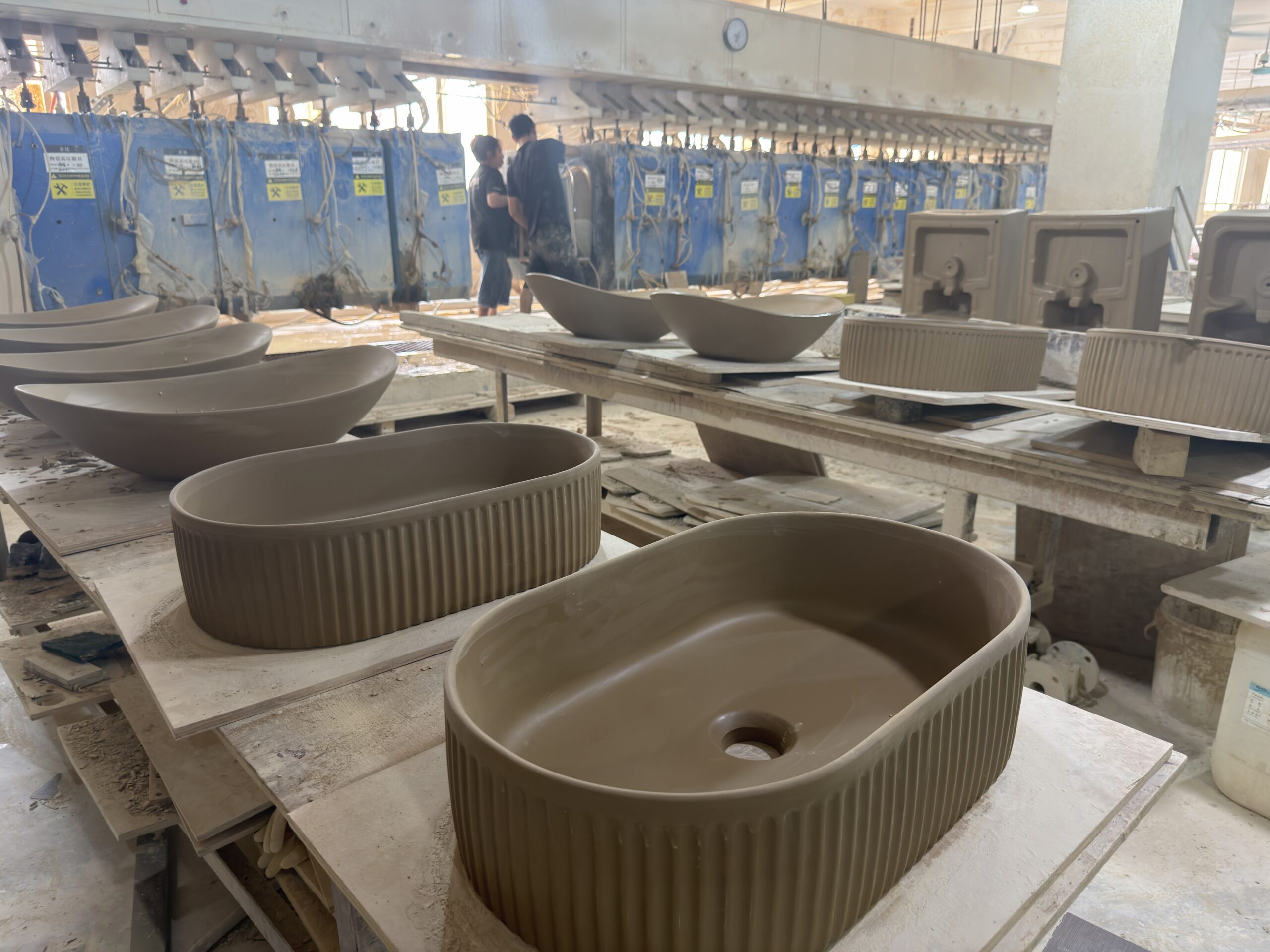
- Green body production: Ceramic shapes are created through casting technology and prepared for drying.
- Glazing process: Surface finishing is applied to achieve durability and appearance consistency.
- High-temperature firing: Products are fired in tunnel kilns to improve strength and glaze quality.
- Final inspection and packaging: Finished products undergo inspection before shipment.
Typical Production Timeline for Ceramic Toilets and Wash Basins
| Production Stage | Average Time Required | Main Risk Control Point |
|---|---|---|
| Design confirmation and mold preparation | 7-20 days | OEM approval and technical review |
| Ceramic casting and shaping | 3-7 days | Process quality audit |
| Drying, trimming and glazing | 5-10 days | Surface quality inspection |
| Kiln firing | 1-3 days | Temperature control management |
| Inspection, packing and loading | 3-7 days | Pre-shipment inspection |
For standard ceramic toilets and ceramic wash sinks, the average production cycle is usually around 20-40 days depending on product complexity, order quantity, and customization requirements. Customizable products may require additional time because buyers need to confirm designs, colors, logos, or special specifications.
Detailed Production Process for Ceramic Toilets and Ceramic Wash Sinks
How Ceramic Toilet Manufacturing Time Is Controlled
Ceramic toilet production requires strict control because toilets involve complex structures, flushing performance, and dimensional accuracy. The process starts with ceramic slurry preparation, followed by high-pressure casting or traditional forming methods. After drying and trimming, the toilet body enters glazing and kiln firing stages.
- Material preparation and ceramic slurry control.
- High-pressure casting to achieve stable dimensions.
- Manual trimming and surface correction.
- Glazing application for smooth and durable surfaces.
- High-temperature kiln firing for strength and water resistance.
- Performance testing, including flushing and appearance inspection.
A reliable toilet Manufacturer should conduct strict factory inspection and maintain production records. For overseas distributors, these steps reduce delivery risks, quality complaints, and after-sales costs.
How Ceramic Wash Basin Manufacturing Time Is Managed
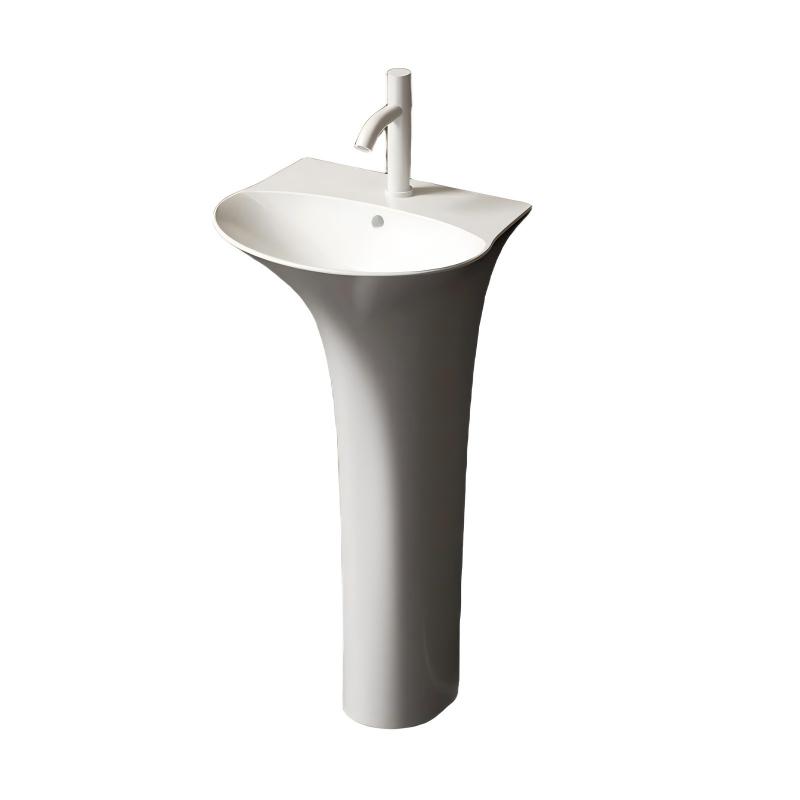
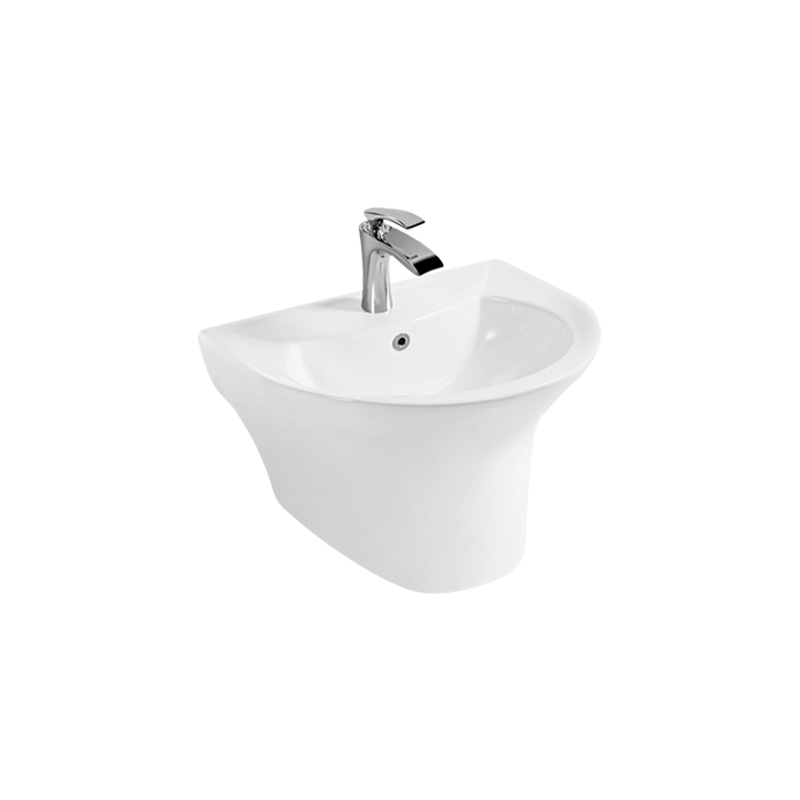
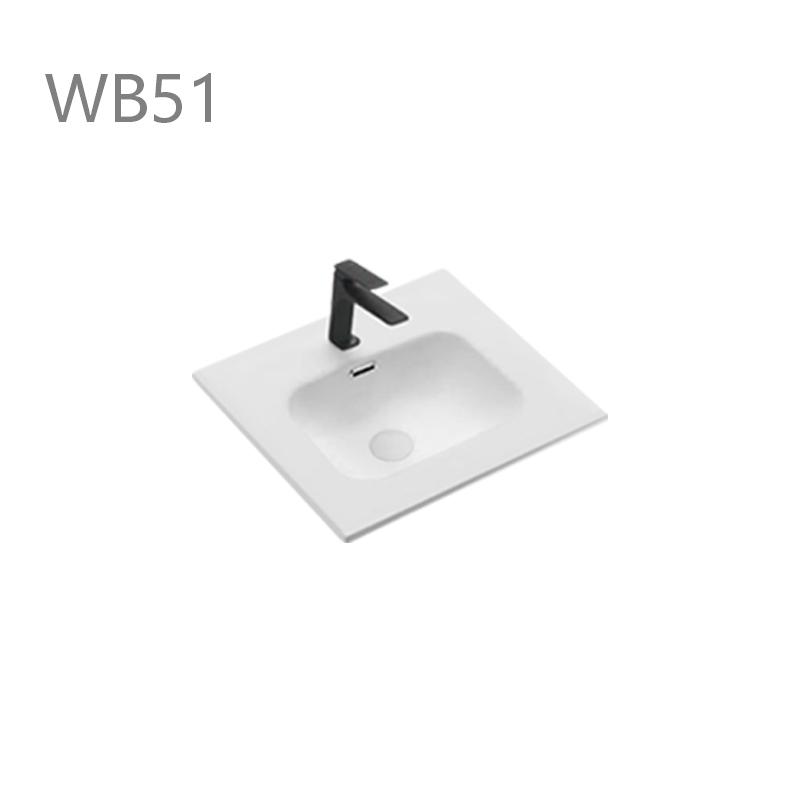
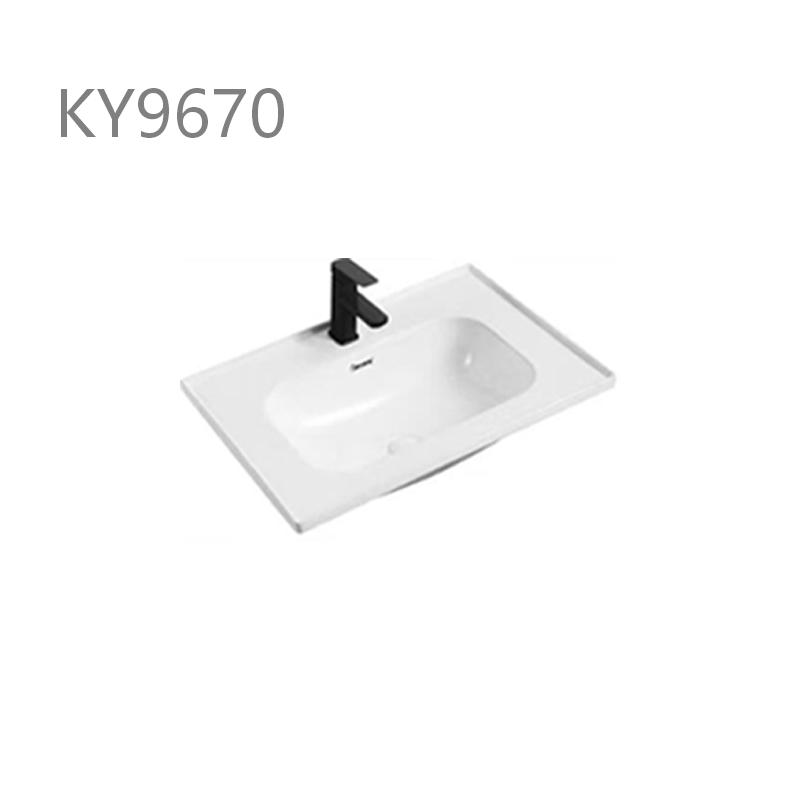
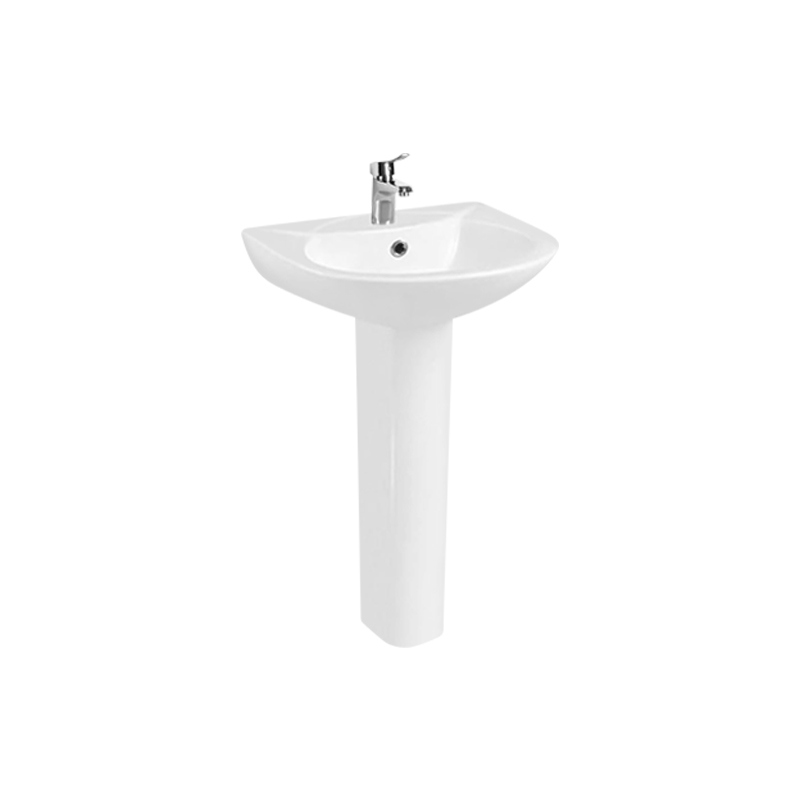
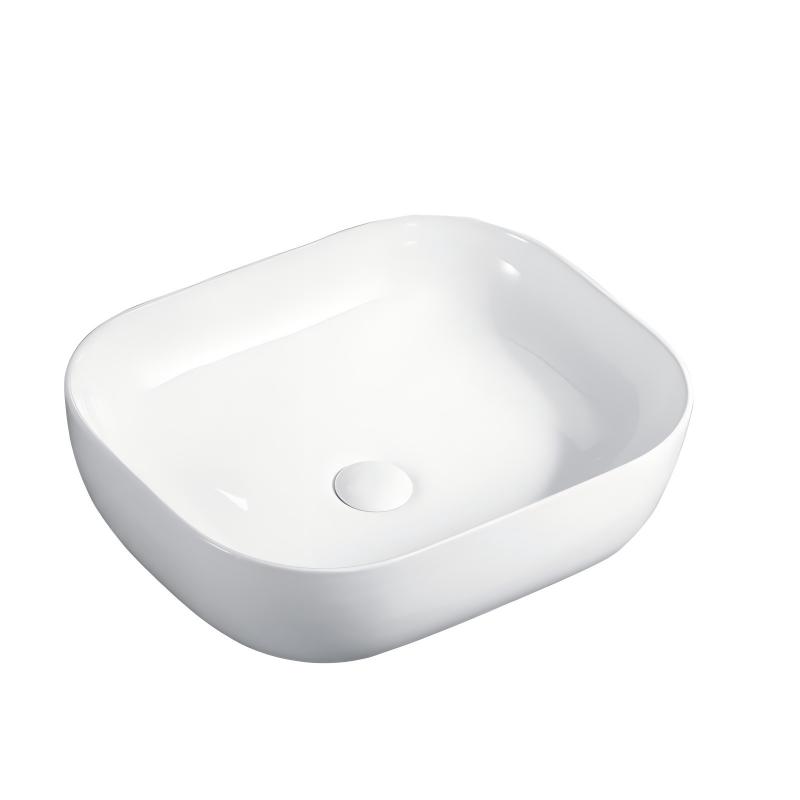
Ceramic wash sinks generally offer more design flexibility, especially for countertop basins, vanity basins, wall-hung basins, and decorative models. WEESUM supports different market styles through ODM development and customizable solutions.
- Standard basin production: approximately 15-30 days.
- Special colors or finishes: approximately 25-45 days.
- New mold development: may require additional design confirmation time.
Before mass production, professional suppliers normally complete sample approval, technical confirmation, and production risk assessment. These audit nodes help buyers avoid expensive corrections after bulk production begins.
Key Supply Chain Factors That Affect Sanitary Ware Delivery Time
Production speed is influenced by more than factory capacity. International buyers should evaluate the complete supply chain before selecting a partner. A low-price supplier without proper management systems may create hidden commercial problems.
- Raw material stability: Reliable ceramic material suppliers reduce production interruptions.
- Production capacity planning: Advanced equipment helps maintain stable lead times.
- Quality certification compliance: Certificates such as ISO9001, CE, CUPC, NSF, WaterMark, SASO, and BSCI support international market requirements.
- Factory audit: Buyers should review manufacturing systems, inspection procedures, and export experience.
- Logistics coordination: Packaging, container booking, and shipping schedules influence final delivery.
| Buyer Concern | Recommended Supplier Requirement |
|---|---|
| Late delivery | Stable production capacity and clear lead time management |
| Quality problems | Inspection system and international certification support |
| Market differentiation | OEM/ODM and customizable product development |
| Communication issues | Professional export team and transparent updates |
Why Choose WEESUM as Your Sanitary Ware Manufacturing Partner?
WEESUM is a China-based ceramic sanitary ware Manufacturer focused on wholesale export, project supply, and OEM/ODM cooperation. Located in Chaozhou, Guangdong, the ceramic production center of China, WEESUM combines manufacturing experience, modern equipment, and international service capability.
- More than 30 years of ceramic sanitary ware production experience.
- Modern production facilities with advanced high-pressure casting lines.
- Large-scale manufacturing capability for distributors and project buyers.
- Support for customizable designs, private labels, logos, colors, and product adjustments.
- Export experience serving Europe, North America, South America, and Middle East markets.
For buyers searching for a long-term supplier partnership, WEESUM provides more than products. The company supports quotation, sampling, customization, production monitoring, and shipment coordination. With professional quality management and structured production procedures, WEESUM helps international customers reduce procurement risks and build reliable supply chains.
Choose the Right Supplier to Secure Your Future Supply Chain
Sanitary ware production time depends on manufacturing strength, quality systems, and supply chain control. Choose WEESUM as your trusted partner for reliable OEM/ODM cooperation, stable delivery, and professional ceramic sanitary ware solutions. Contact WEESUM today to discuss your next project.