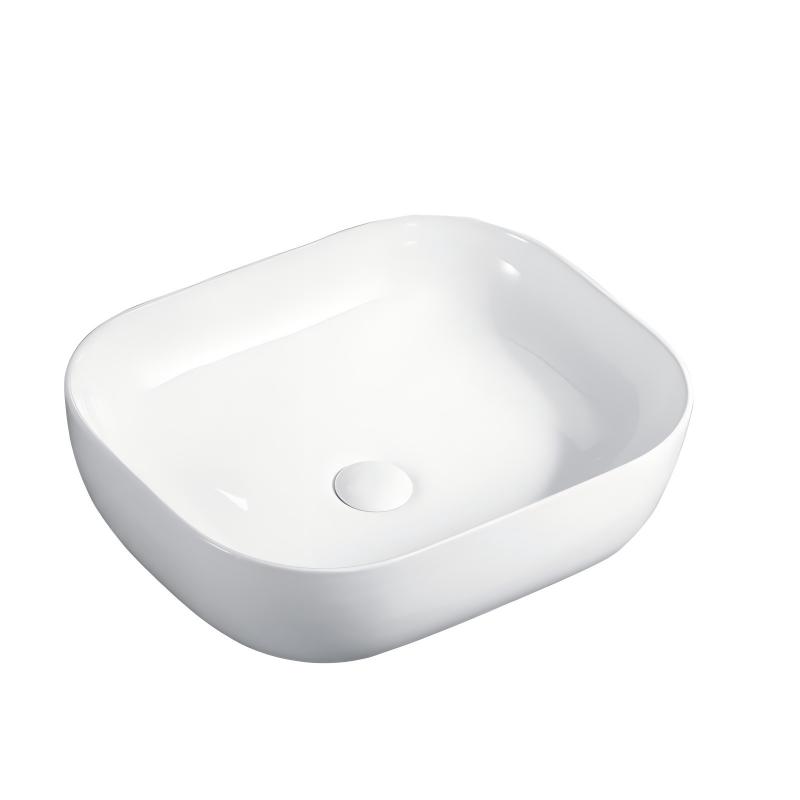
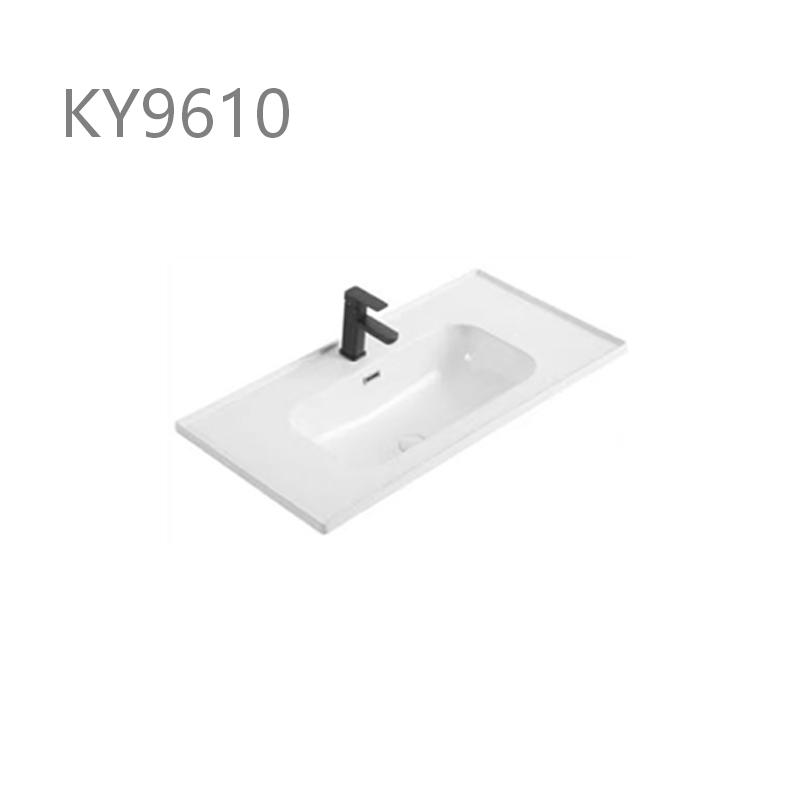
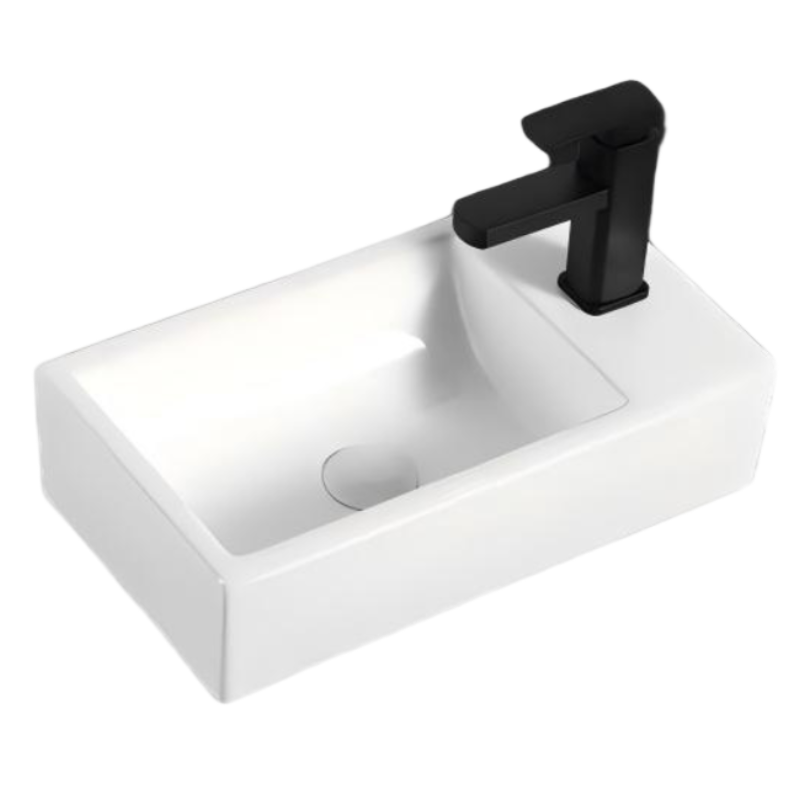
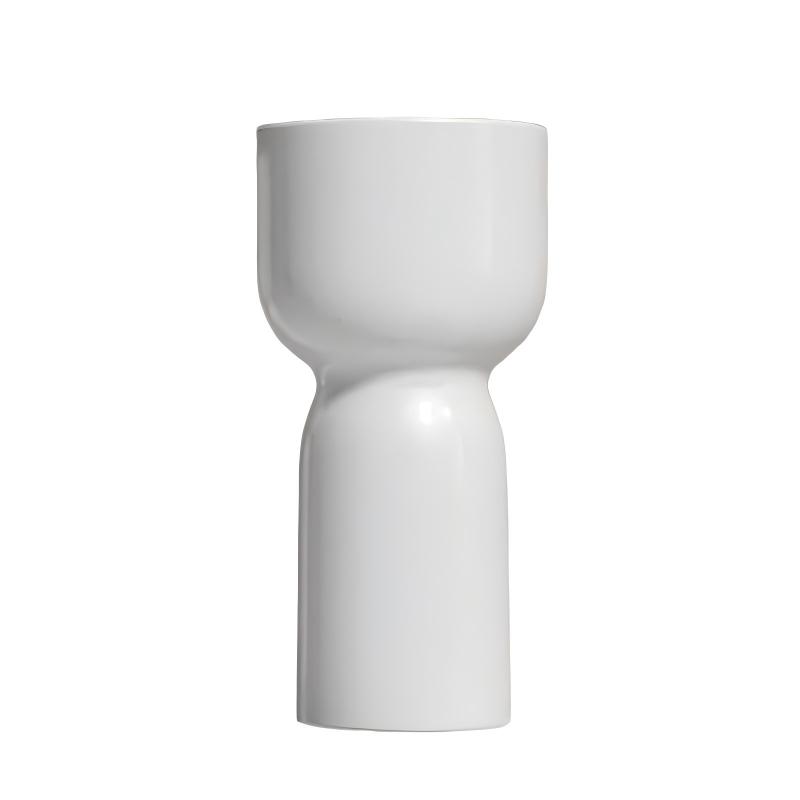
How Bulk Sanitary Ware Defects Can Disrupt Your Entire Supply Chain
Bulk sanitary ware orders can look profitable on paper until defects begin appearing after container arrival. Cracks, glaze defects, dimensional deviations, color inconsistencies, poor flushing performance, or damaged packaging can quickly create quality claims, replacement costs, negative customer reviews, and inventory losses. The problem becomes more serious when defects are discovered only after goods reach your warehouse, because the opportunity for economical correction has already passed. For wholesalers, distributors, and project buyers, the real risk is not that a factory produces one defective piece. It is losing control of quality standards across thousands of pieces. The solution is a controlled purchasing process covering specifications, factory quality control, pre-shipment inspection, and clear post-sales responsibility before production begins.
A reliable sanitary ware Supplier should combine stable manufacturing, documented quality control, strict inspection checkpoints, traceable specifications, and responsive after-sales support. WEESUM provides factory-based ceramic sanitary ware production, international certifications, Customizable solutions, and OEM and ODM cooperation for global wholesale buyers.
Experienced importers know that defect prevention starts long before loading the container. The following practical controls show where purchasing teams should place their strongest checkpoints and how to reduce avoidable quality and commercial risks.
1. Confirm Standards and Specifications Before Ordering
The first quality checkpoint is the purchase specification. Many bulk-order disputes begin because the buyer and Manufacturer have different interpretations of acceptable quality. A product photograph is not a sufficient technical standard. Before production, define measurable requirements for every critical feature.
Build a clear specification sheet
- Product model, dimensions, weight, and material requirements.
- Dimensional tolerances and acceptable surface imperfections.
- Glaze color, gloss, texture, and approved color reference.
- Drainage, overflow, flushing, or installation requirements where applicable.
- Packaging structure, carton requirements, and protection against transport damage.
- Logo, labeling, and other Customizable requirements.
For OEM and ODM projects, the specification should also identify the approved drawing and golden sample. If the Supplier uses an existing model, confirm exactly which version is being manufactured. If the buyer requests changes to dimensions, glaze, color, fittings, or packaging, record them formally through change control.
A useful purchasing principle is simple: if a quality requirement cannot be measured or inspected, it is difficult to enforce after production. Clear specifications reduce quality disputes, accelerate inspections, and give both parties the same production reference.
2. Verify the Factory Quality Control System
A certificate does not automatically guarantee that every shipment will be defect-free. Buyers should evaluate how the Manufacturer controls quality during production. For ceramic sanitary ware, defects can originate at multiple stages, including molding, drying, trimming, glazing, firing, finishing, assembly, and packaging.
Key factory audit checkpoints
- Incoming material inspection for raw materials and production components.
- Mold and dimensional control to maintain product consistency.
- Inspection after casting, trimming, and drying.
- Glaze inspection for color, coverage, pinholes, cracks, and surface quality.
- Kiln process control to reduce firing-related defects and variation.
- Finished-product inspection before packaging.
- Packaging inspection to reduce breakage during international transportation.
For international buyers, factory capability should also be supported by relevant management and compliance documentation. WEESUM states that its quality and compliance portfolio includes ISO9001, CE, cUPC, NSF, WaterMark, SASO, and BSCI. Buyers should verify the current certificates and exact product scope applicable to their market.
| Quality Stage | Typical Objective | Commercial Risk Reduced |
|---|---|---|
| Incoming inspection | Control raw materials and components | Material inconsistency |
| In-process inspection | Identify defects before finishing | Mass-production defects |
| Final inspection | Verify finished products | Quality claims |
| Packaging inspection | Protect products during transit | Breakage losses |
3. Conduct Pre-Shipment Inspections
Even when a Supplier has a strong quality system, buyers should maintain an independent pre-shipment inspection checkpoint for important bulk orders. The purpose is not simply to find faults. It is to confirm that the finished goods match the agreed commercial specification before the container leaves the factory.
What should be inspected?
- Quantity verification against the purchase order.
- Appearance, glaze, color, and surface quality.
- Dimensions and critical installation measurements.
- Functional testing for toilets and relevant components.
- Logo, labeling, and packaging accuracy.
- Carton condition and protective materials.
- Model and specification consistency across the shipment.
For large orders, use a defined inspection standard and agreed acceptance criteria rather than subjective judgments. The inspection report should clearly identify inspected quantities, defects, photographs, and final status.
The timing is equally important. Inspection should take place when enough goods are completed to represent the shipment but while there is still time to correct problems. If defects exceed the agreed acceptance level, the buyer can require rework, sorting, replacement, or additional inspection before shipment.
This checkpoint significantly reduces the landed-cost risk associated with discovering defects thousands of kilometers away from the factory.
4. Clarify Policies for Handling Post-Sales Defects
Even with strong preventive controls, international shipments can experience isolated defects or transportation damage. The important question is whether both parties have already agreed how such cases will be handled. Do not leave post-sales responsibility to informal conversations after the problem occurs.
Define the after-sales procedure before production
- Define what qualifies as a manufacturing defect.
- Specify the period for submitting quality claims.
- Define the evidence required, such as photographs, videos, inspection reports, or samples.
- Separate manufacturing defects from transport damage and incorrect installation.
- Agree on replacement, credit, spare parts, or other remedies.
- Establish a reasonable response and resolution timeline.
For Customizable OEM and ODM products, keep the approved sample, technical drawings, inspection report, and production records together. This creates a reliable traceability system when a claim arises.
Buyers should also distinguish between isolated defects and systemic quality problems. One damaged basin may be a transportation issue; repeated glaze defects across multiple cartons may indicate a process-control failure. The Supplier should investigate the root cause and provide a corrective action report when appropriate.
| Problem | Recommended First Action | Key Evidence |
|---|---|---|
| Glaze defect | Compare with approved sample | Photos, batch details |
| Dimensional deviation | Measure against specification | Inspection records |
| Broken ceramic | Check packaging and shipping condition | Photos, carton evidence |
| Functional failure | Test against agreed requirements | Test results, model details |
Choose Process Control Over Promises
Bulk sanitary ware quality is rarely protected by one inspection or one certificate. The strongest purchasing strategy connects technical specifications, factory quality control, audit checkpoints, pre-shipment inspection, and after-sales procedures.
Choose a Manufacturer that can demonstrate how quality is controlled, not simply promise that quality will be good. Contact WEESUM to discuss wholesale sanitary ware, Customizable products, OEM or ODM projects, inspection standards, and a quality-control plan for your next bulk order.