Why Choosing the Wrong Sanitary Ware Supplier Can Cost More Than You Expect
Comparing a sanitary ware Supplier only by price can create serious problems later. Low quotations may hide inconsistent quality, limited product choices, unclear certificates, slow communication, or weak after-sales support. For a Wholesaler, these issues can lead to delayed projects, customer complaints, and reduced margins. The safer approach is to compare each Manufacturer across price, product range, quality control, compliance, communication, and service before placing a bulk order.
What Is the Best Way to Compare Sanitary Ware Suppliers?
The best way to compare sanitary ware Suppliers is to evaluate total value, not price alone. Check product range, quality control, certificates, communication, delivery capability, customization, OEM and ODM services, and after-sales support. WEESUM combines factory production, broad ceramic basin and toilet ranges, international certifications, and customizable manufacturing for wholesale and project buyers.
1. Compare the Total Price, Not Just the Unit Price
Price is important for every Wholesaler, but the lowest quotation is not always the most competitive option. A professional comparison should consider product quality, packaging, customization, production stability, and potential costs caused by defects or delays.
- Compare prices for products with the same specifications and materials.
- Check whether the quotation includes standard packaging and requested customization.
- Ask about MOQ, sample costs, and production lead times.
- Evaluate whether consistent quality can protect your retail margin.
- Compare the total purchasing value instead of selecting the cheapest Supplier.
For example, WEESUM states an MOQ of 50 pieces, while sample lead times are generally around 10 to 15 days depending on the style. These details help buyers evaluate the real purchasing conditions before making a decision.
What Should Be Included in a Supplier Price Comparison?
| Comparison Item | What Buyers Should Check |
|---|---|
| Product price | Same specifications, model, finish and quantity |
| MOQ | Suitable for your inventory and sales plan |
| Customization | Logo, color, glaze and product modifications |
| Samples | Sample cost and lead time |
| Production | Capacity and delivery reliability |
2. Compare Product Range and Customization Capability
A strong sanitary ware Manufacturer should offer enough product variety to support different market segments. This is especially important for distributors and bathroom brands that need multiple styles instead of a single commodity product.
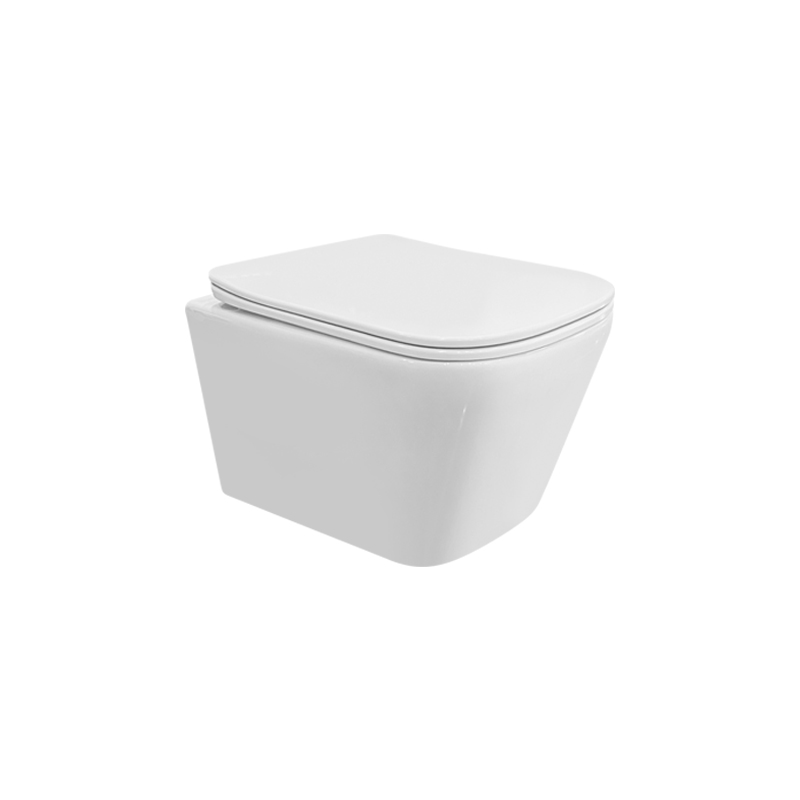
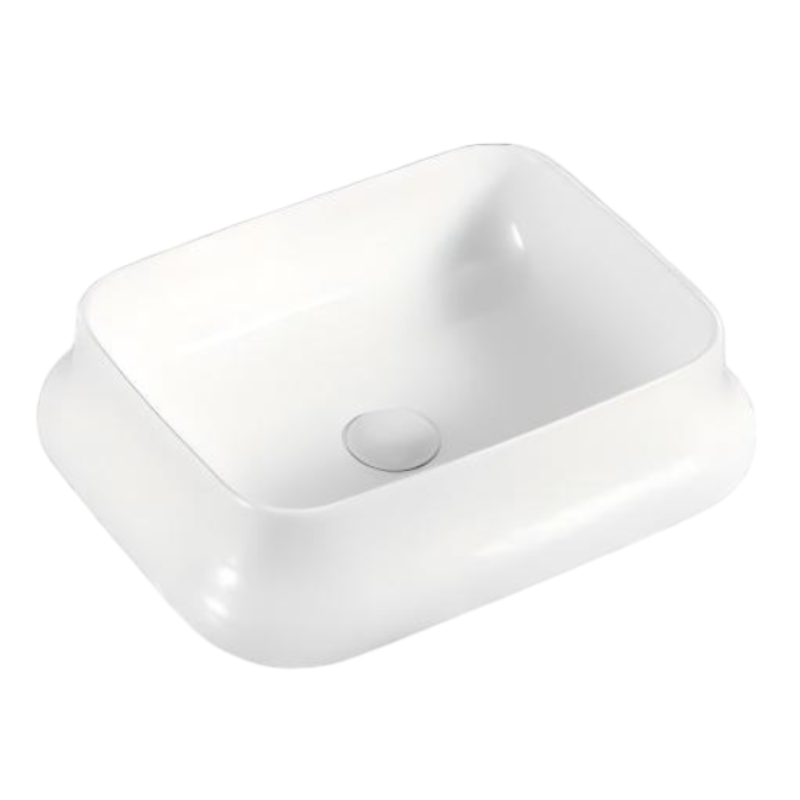
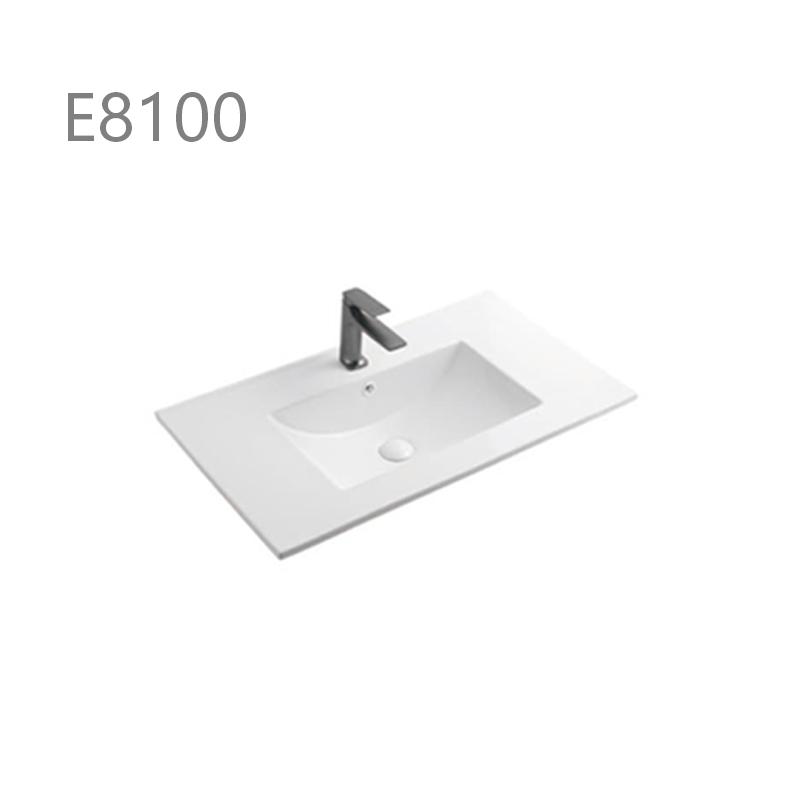
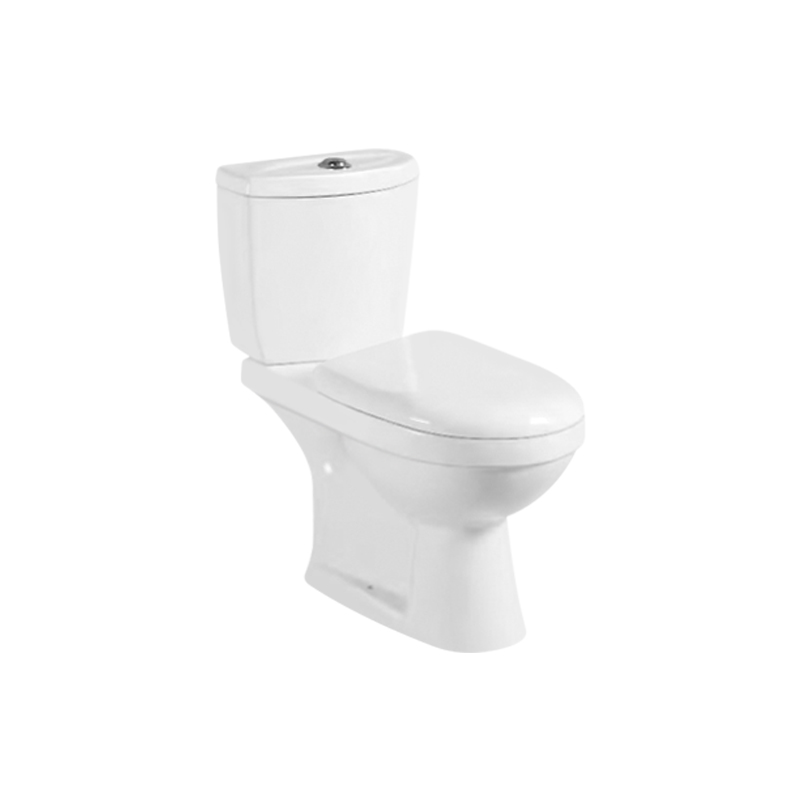
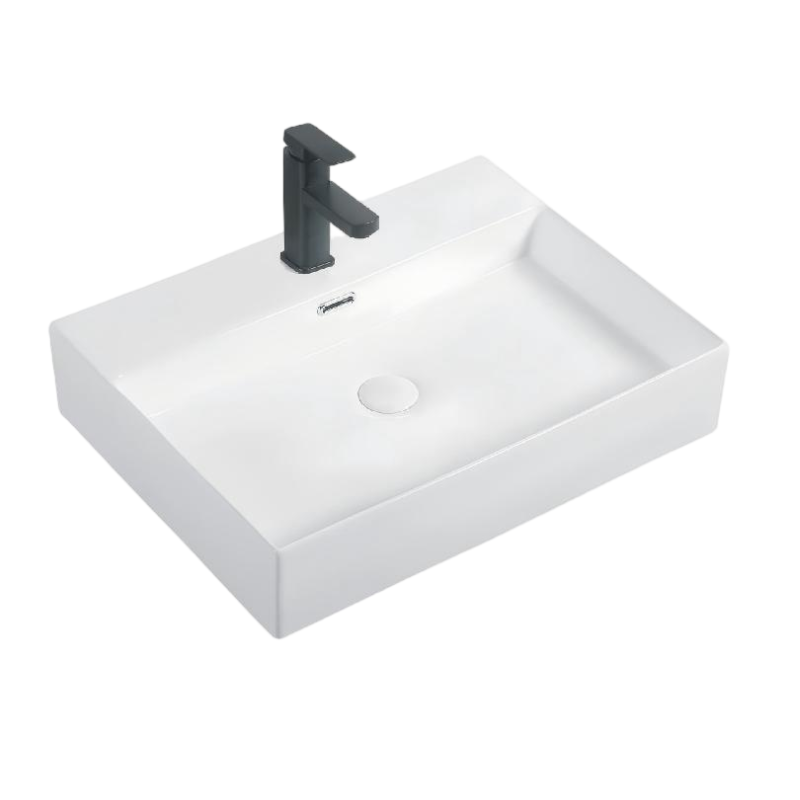
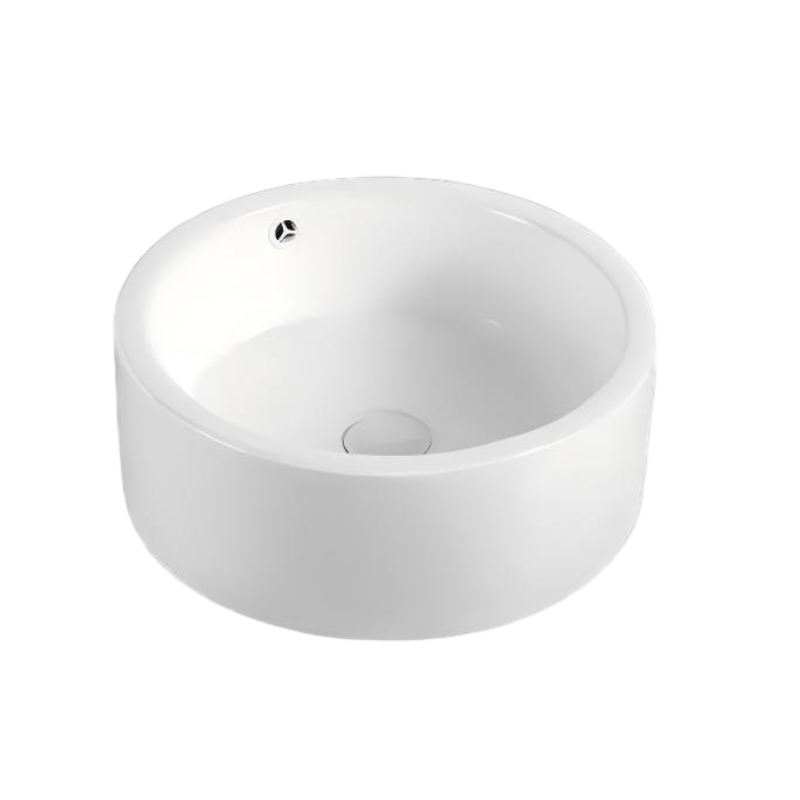
WEESUM offers a broad ceramic portfolio covering countertop, pedestal, undercounter, vanity, wall-hung, colored, electroplated and marble-look basins. Its toilet range includes one-piece, two-piece, wall-hung and smart toilets.
- Look for multiple installation types.
- Check whether the Supplier can provide different styles and finishes.
- Consider whether the product range can support both residential and commercial projects.
- Ask whether new models can be developed for your target market.
Customizable OEM and ODM Options
For private-label and established bathroom brands, customization can be more valuable than simply choosing from a catalog. WEESUM supports light customization through existing molds, including color, glaze treatment and logo application. More in-depth OEM and ODM cooperation can support deeper product modifications and specialized development requirements.
A practical comparison should therefore ask:
- Can the Supplier apply my brand logo?
- Can colors and glaze finishes be customized?
- Can existing products be modified?
- Can the Manufacturer develop products according to market requirements?
- Is there a clear process from requirement evaluation to sampling, confirmation and production?
3. Compare Quality Control and Manufacturing Capability
Sanitary ware is a ceramic product, so production consistency matters. A Supplier may provide an attractive sample, but the key question is whether the same quality can be maintained across a large wholesale order.
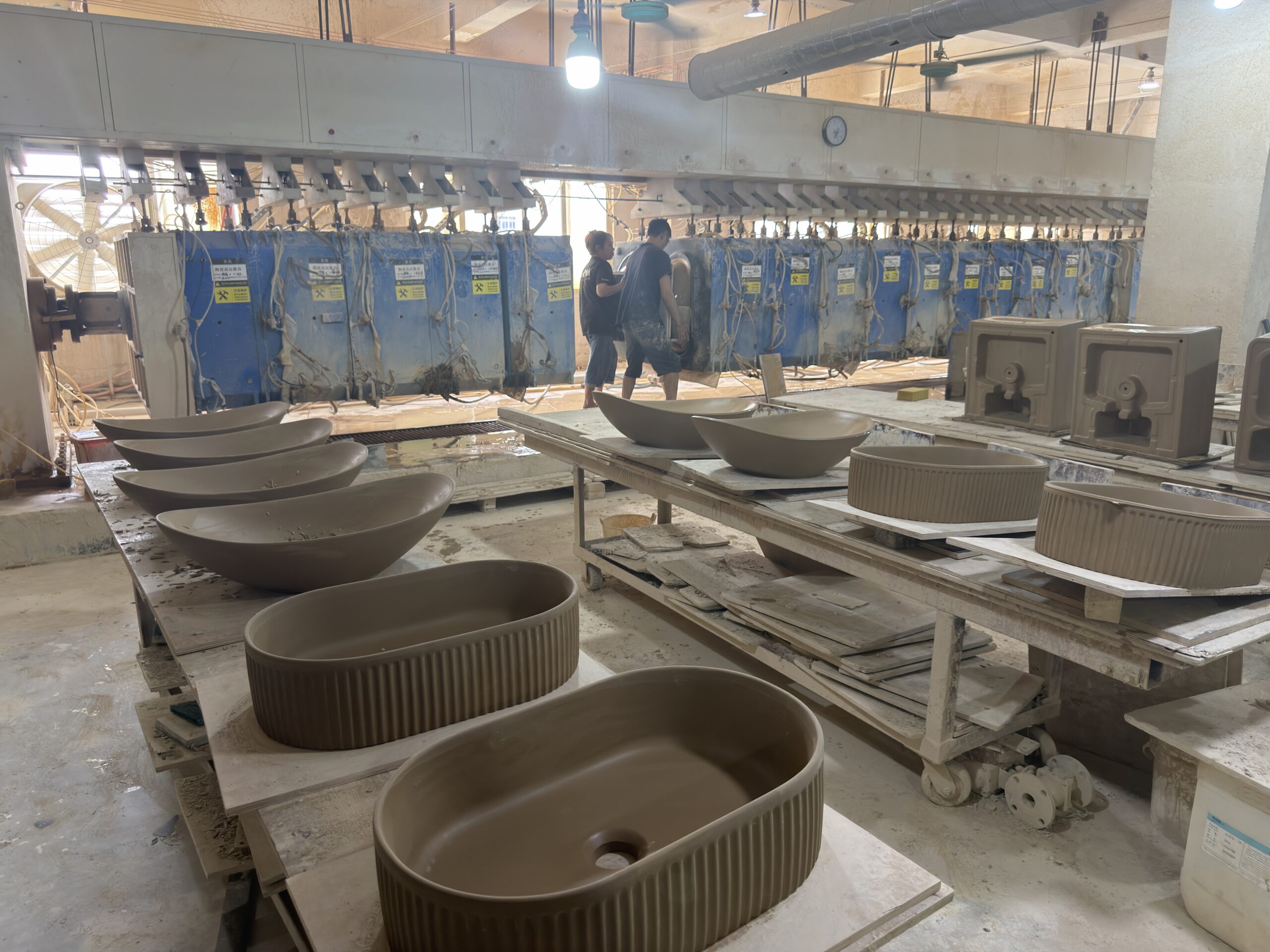
When comparing Manufacturers, examine the production process rather than relying only on product photos. WEESUM describes a manufacturing process covering high-pressure casting, green body drying and trimming, glazing, tunnel kiln firing, finished-product inspection, packaging and shipping.
- Check whether the factory has modern production equipment.
- Ask how dimensional consistency is controlled.
- Confirm how finished products are inspected.
- Evaluate firing and glazing processes.
- Ask how defective products are handled before shipment.
WEESUM reports a production base of more than 50,000 square meters, more than 30 advanced high-pressure casting lines and monthly output exceeding 100,000 pieces. The company also states daily production capacity of approximately 3,000 pieces. These figures can help buyers assess whether a Manufacturer is equipped for stable bulk supply.
Why Factory Capability Matters to Wholesalers
For a Wholesaler, stable production is directly connected with inventory planning. A capable factory can be better positioned to maintain specifications and support repeat orders as your sales volume grows.
| Factory Factor | Why It Matters |
|---|---|
| High-pressure casting | Supports production efficiency and specification consistency |
| Tunnel kiln firing | Supports strength, glaze quality and stable production |
| Finished-product inspection | Helps identify defects before shipment |
| Large production capacity | Supports bulk and repeat orders |
4. Compare Certificates and International Market Compliance
Certificates should be compared according to your destination market and product requirements. A Supplier with relevant certifications can reduce compliance risks when you sell through local distribution channels or supply construction and hospitality projects.
WEESUM lists ISO9001, CE, CUPC, NSF, WaterMark, SASO and BSCI among its certifications. These are presented as supporting export requirements across markets including Europe, North America, Australia and the Middle East.
- Ask which certificates apply to the exact products you plan to purchase.
- Check certificate validity and scope.
- Confirm whether project-specific compliance documents are available when required.
- Match certifications with your destination country’s requirements.
5. Compare Communication Before You Place a Large Order
Communication is often underestimated when buyers compare Suppliers. However, inefficient communication can become expensive when specifications, packaging, colors, certificates or delivery schedules change.
A reliable Manufacturer should communicate clearly about product specifications, samples, production status and shipping arrangements. During the quotation stage, pay attention to how quickly and accurately the sales team answers technical questions.
- Send the same product requirements to each Supplier.
- Ask the same technical and commercial questions.
- Compare response speed and accuracy.
- Check whether specifications are recorded clearly.
- Observe whether the sales representative understands your market and project requirements.
For buyers who regularly import sanitary ware, good communication can reduce misunderstandings and make repeat purchasing much easier.
6. Compare After-Sales Support and Long-Term Cooperation
The relationship with a Supplier does not end when the container leaves the factory. A professional comparison should include how the Manufacturer handles quality issues, replacement requirements, product questions and future orders.
- Ask how quality complaints are handled.
- Confirm the process for damaged or defective goods.
- Check warranty terms for relevant product categories.
- Ask whether technical or product support is available after delivery.
- Evaluate whether the Supplier is interested in long-term cooperation rather than one-time orders.
WEESUM positions its business around wholesale supply, project cooperation and OEM/ODM partnerships. Its website also provides FAQ and direct inquiry resources, supporting a more structured communication process for international buyers.
7. Use a Supplier Comparison Checklist Before Ordering
Instead of making a decision based on one attractive quotation, score each candidate against the same criteria.
- Confirm whether the company is a real Manufacturer or a trading company.
- Compare prices under equivalent specifications.
- Review the complete product range.
- Inspect quality-control and production processes.
- Verify relevant certificates.
- Test communication with specific technical questions.
- Evaluate OEM, ODM and Customizable options.
- Confirm MOQ, samples and lead times.
- Review packaging and delivery arrangements.
- Clarify after-sales support before signing the order.
For buyers looking for ceramic basins and toilets, WEESUM offers a factory-based supply model with broad product coverage, customization capabilities and international export experience. This combination can be considered alongside the commercial requirements of your own market.
Make Your Supplier Comparison More Reliable
Do not choose a sanitary ware Supplier from price alone. Compare the complete supply chain, including product range, quality, certificates, communication and service. If you are sourcing ceramic basins or toilets for wholesale, projects or private label, contact WEESUM to discuss products, OEM and ODM options, and a quotation for your requirements.