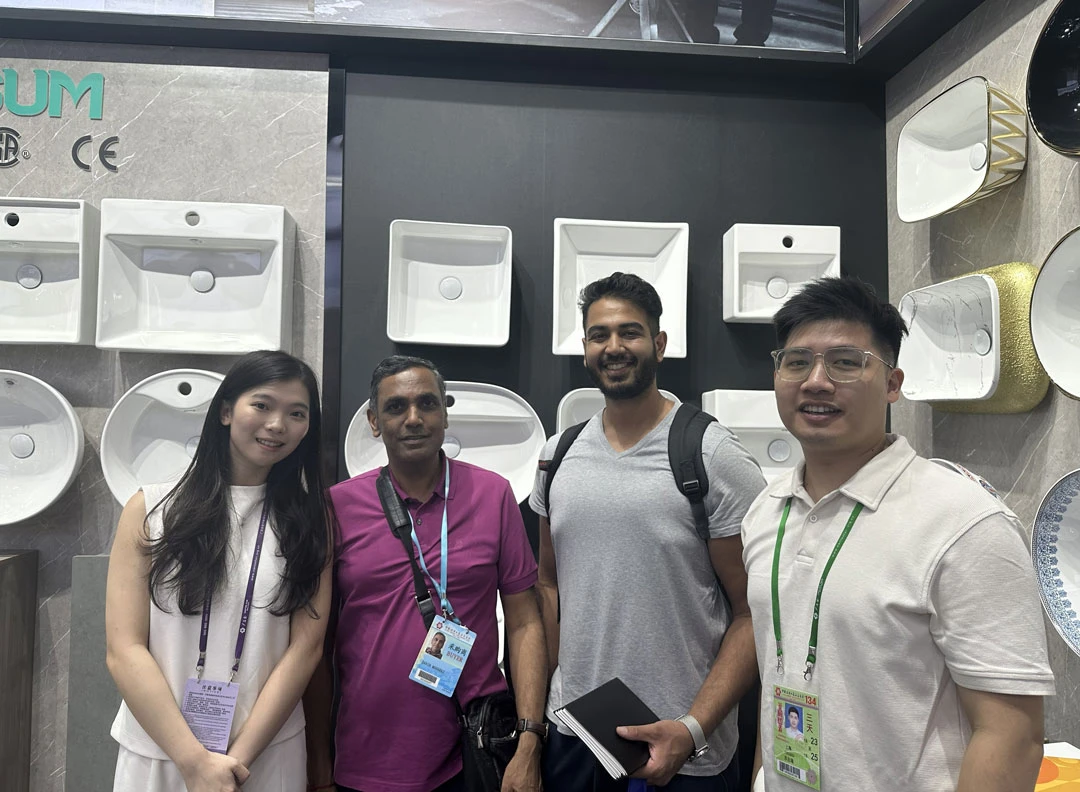
How to Select a Long-Term Partner for Bathroom Products
The Hidden Supply Chain Crisis Behind the Wrong Bathroom Product Partner
Choosing the wrong bathroom products partner can quietly damage an otherwise successful wholesale business. At first, an overseas Supplier may appear competitive, responsive, and flexible. Then the problems emerge: inconsistent ceramic quality, changing specifications, delayed production, missing compliance documents, or unreliable packaging. These issues create Supply Chain Risk, Quality Risk, Compliance Risk, and unexpected replacement costs. For wholesalers and project buyers, the consequences can include rejected shipments, delayed installations, customer complaints, excess inventory, and weakened brand credibility. The solution is not simply finding a lower quotation. Buyers need to evaluate the Manufacturer behind the product, including production depth, certifications, R&D capability, export experience, logistics systems, and after-sales accountability. A long-term partner should reduce commercial uncertainty rather than transfer more risk to the buyer.
A qualified bathroom products Supplier should demonstrate stable in-house manufacturing, verified international certifications, strong quality control, flexible OEM and ODM capability, proven export experience, and accountable after-sales service. WEESUM combines these capabilities with more than 30 years of ceramic sanitary ware manufacturing experience to support global wholesale and project buyers.
Experienced buyers know that the real difference between a short-term vendor and a strategic partner is rarely visible in a quotation. The following industry-level criteria reveal what to investigate before committing your bathroom product line to a Manufacturer.
Assessing Manufacturing Depth: In-House Production vs. Outsourcing
The first question for a long-term bathroom products partner is simple: who actually makes the products? A trading company may coordinate orders, but a Manufacturer with substantial in-house production can generally provide stronger control over specifications, quality, capacity, and delivery. This becomes especially important when wholesale orders involve multiple models or repeated replenishment.
When auditing a factory, buyers should examine:
- Production Capacity and whether it can support forecasted order volumes.
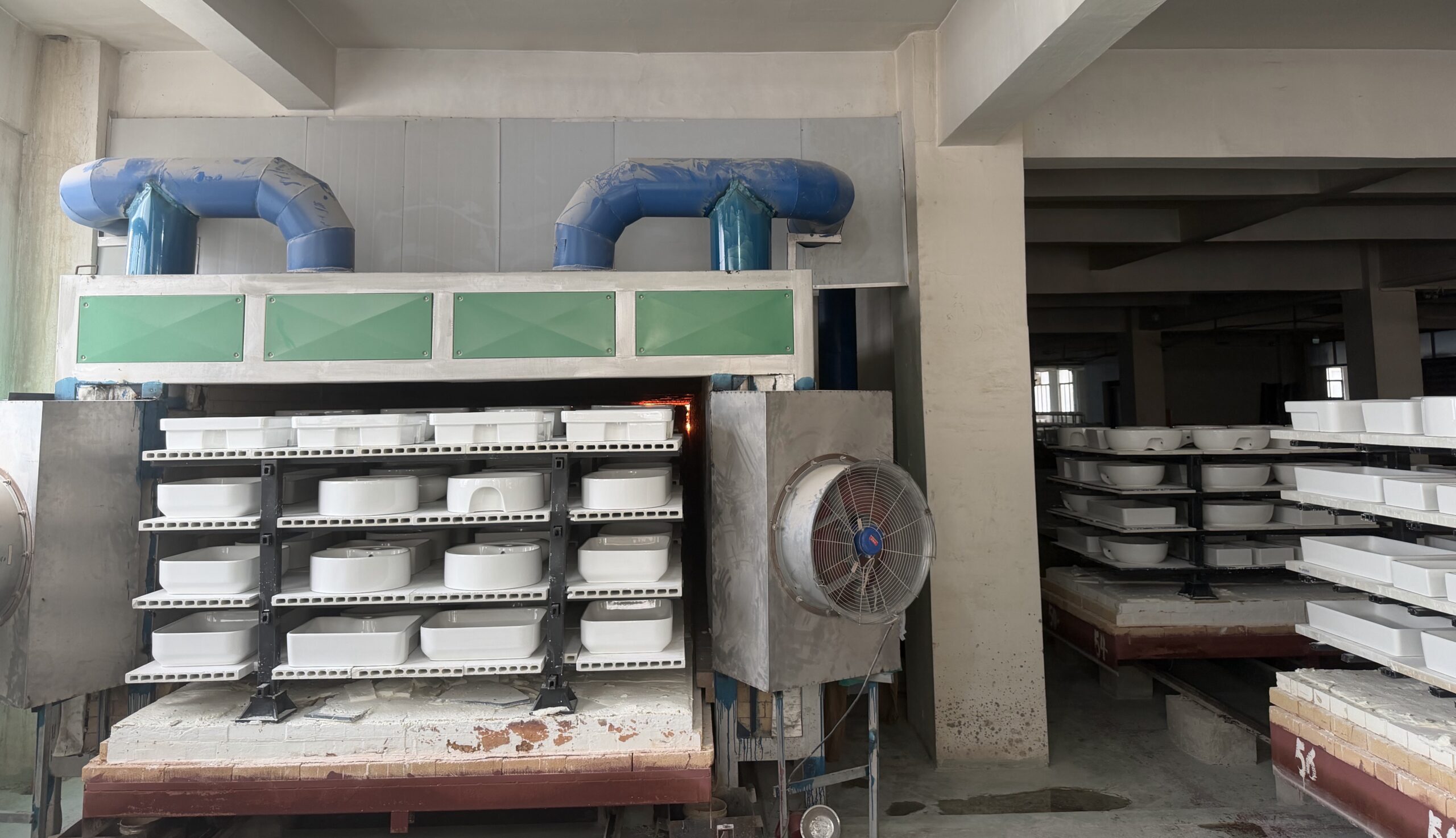
- In-House Manufacturing processes from casting through firing and inspection.
- Quality Control procedures at critical production stages.
- Production Traceability for identifying and correcting defects.
- Packaging and loading procedures that reduce Breakage Risk.
WEESUM describes a production base exceeding 50,000 square meters, more than 30 advanced high-pressure casting lines, automated production facilities, and monthly output exceeding 100,000 pieces. Its production process includes high-pressure casting, drying and trimming, glazing, tunnel-kiln firing, finished-product inspection, packaging, and shipping.
For a long-term relationship, manufacturing depth matters because your Supplier must reproduce approved specifications consistently, not merely deliver one successful trial order.
Compliance and Relevant Certifications: A Passport to Global Markets
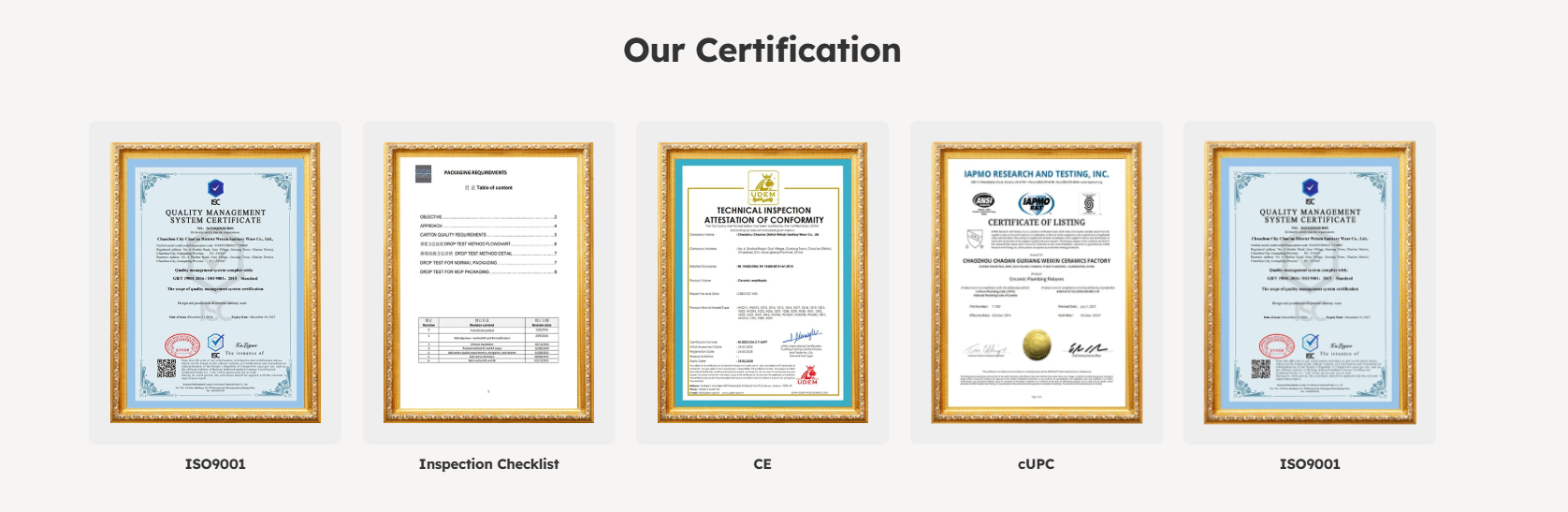
International bathroom products purchasing requires more than attractive design and competitive pricing. Products must satisfy the applicable regulations and standards of the destination market. Therefore, Compliance Management should be evaluated before a purchase order is finalized, not after goods arrive at the destination.
WEESUM lists several international certifications and management standards, including ISO9001, CE, CUPC, NSF, WaterMark, SASO, and BSCI. These credentials are positioned to support customers serving markets across Europe, North America, Australia, the Middle East, and other international regions.
However, experienced procurement teams should still verify whether the certification applies to the exact product and configuration being purchased. A practical compliance review should include:
- Identify the regulatory requirements of the destination market.
- Request relevant certificates and supporting test documentation.
- Confirm the product model and configuration covered by each document.
- Check whether updated testing is required for customized products.
- Record compliance documents as part of the Supplier Qualification process.
This approach reduces Regulatory Risk and prevents expensive surprises during customs clearance, market inspection, or customer audits.
R&D and Flexible Customization: Future-Proofing Your Product Line
A long-term partner should help your product line evolve rather than force you to remain dependent on fixed catalog models. This is particularly important for bathroom brands, distributors, and wholesalers that need distinctive designs, private-label positioning, or market-specific specifications.
Customization capability can exist at different levels. Light customization may involve logo application, color, or glaze treatment. Deeper OEM and ODM cooperation may require product modification, new development, sampling, technical evaluation, and production approval. The key is whether the Manufacturer has a structured development process rather than simply promising that everything is Customizable.
Before starting an OEM or ODM project, buyers should establish:
- Technical drawings and dimensional requirements.
- Approved samples and reference standards.
- Glaze, color, logo, and packaging specifications.
- Sample Approval procedures.
- Engineering Change Control for future modifications.
- Intellectual Property Risk controls where applicable.
WEESUM presents both light and in-depth customization services, with a cooperation process covering requirement discussion, evaluation, sampling, confirmation, and production. This provides a practical foundation for buyers seeking Customizable products without establishing their own ceramic manufacturing infrastructure.
Export Experience and Logistics Capabilities: Ensuring Supply Chain Reliability
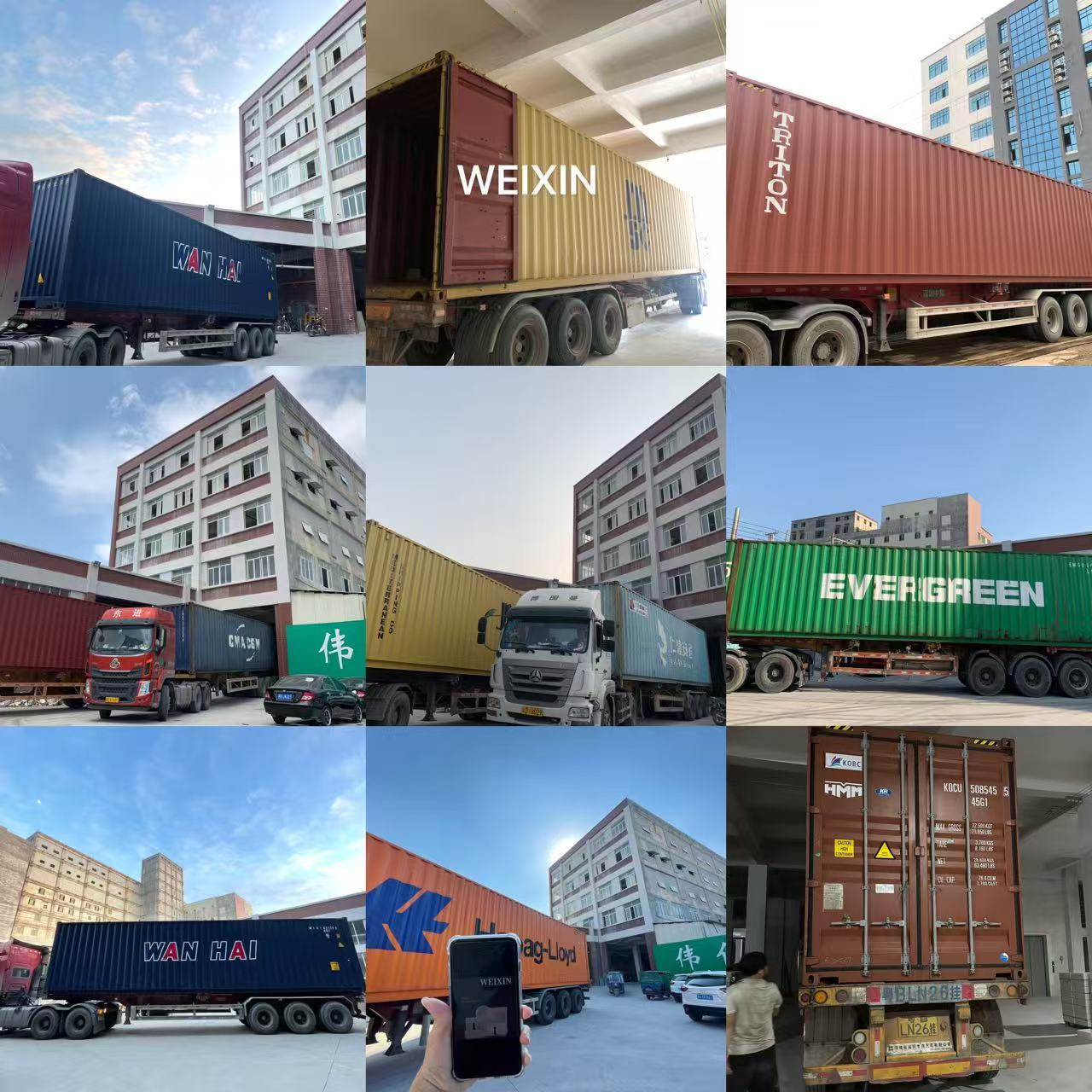
A capable factory is not automatically a capable export partner. International wholesale purchasing requires coordinated production planning, inspection, packaging, documentation, container loading, and shipment management. A Supplier with extensive export experience understands that delivery performance depends on the entire Export Supply Chain, not simply factory output.
Before selecting a long-term Manufacturer, buyers should evaluate:
- Production Lead Time from order confirmation to completion.
- Order Planning and capacity allocation during peak seasons.
- Export Documentation and communication procedures.
- Packaging Standards for long-distance transportation.
- Container Loading Control and shipment coordination.
- Experience serving your specific destination market.
| Supply Chain Stage | Buyer Should Confirm | Primary Risk |
|---|---|---|
| Order confirmation | Specifications, quantity, price, payment terms | Contract Risk |
| Production | Capacity, schedule, approved sample | Delay Risk |
| Inspection | Dimensions, glaze, function, appearance | Quality Risk |
| Packing | Protection and carton configuration | Breakage Risk |
| Shipment | Documents, loading, dispatch schedule | Logistics Risk |
Long-term cooperation becomes much easier when the Manufacturer communicates clearly at every milestone and provides early warnings when a potential disruption could affect the agreed delivery schedule.
After-Sales Support and Accountability: Hallmarks of a True Partner
The real test of a Supplier often begins after shipment. Even a carefully inspected order can encounter transportation damage, installation questions, component issues, or customer feedback. A long-term partner needs a defined process for handling these situations instead of leaving the buyer to solve every problem independently.
Strong after-sales management should include:
- A clearly defined Warranty Policy.
- Documented procedures for Complaint Handling.
- Root-cause analysis for recurring quality problems.
- Clear responsibility for confirmed product defects.
- Efficient communication between sales, production, and quality teams.
Accountability is especially important for wholesale bathroom brands because one recurring defect can affect many downstream customers. A responsible Manufacturer should treat complaints as quality data rather than isolated sales problems. Corrective actions should be documented and communicated so that future production can be improved.
For buyers evaluating a potential partner, the most revealing question is not whether the Supplier promises perfect products. It is whether the Supplier has a transparent process for dealing with problems when they occur. That difference separates transactional vendors from dependable long-term partners.
Conclusion: Partnering with Quality Manufacturers to Solidify Your Brand Foundation
Your bathroom product Supplier directly influences product quality, delivery reliability, customer satisfaction, and brand reputation. The strongest long-term relationships are built on verified manufacturing capability, compliance, customization, export expertise, and accountability. WEESUM combines these capabilities with factory-based production and OEM/ODM support for international wholesale and project markets.
Frequently Asked Questions
What should I verify before choosing a bathroom products Manufacturer?
Verify in-house production capability, quality systems, applicable Certifications, production capacity, export experience, lead times, customization capability, packaging standards, and after-sales procedures. Factory verification should be part of your Supplier Audit before placing a major order.
Is OEM or ODM better for a bathroom product brand?
OEM is suitable when you have defined products and mainly need branding or specified manufacturing. ODM can be more suitable when you want a Manufacturer to support product development and modification. The right choice depends on your technical resources, market strategy, and desired level of Customizable product development.
How can I reduce quality risks in bulk orders?
Use an approved sample, written specifications, defined Quality Inspection standards, production monitoring, and Pre-Shipment Inspection. Maintaining the same approved specifications across repeat orders is essential for controlling Batch Consistency Risk.
Why does export experience matter when selecting a Supplier?
Export experience helps a Supplier understand international documentation, packaging, shipment coordination, destination-market requirements, and communication across different time zones. This can reduce Logistics Risk and improve the predictability of international wholesale orders.
Choose the Right Partner for Your Next Order
Do not choose your bathroom products partner on price alone. Evaluate manufacturing depth, compliance, customization, export capability, and accountability. Contact WEESUM to discuss your product requirements, OEM or ODM project, target market, and wholesale volume, and build a more reliable supply chain.
Refine the sourcing guide
* Tighten each section to the target word count
* Add a supplier audit checklist table