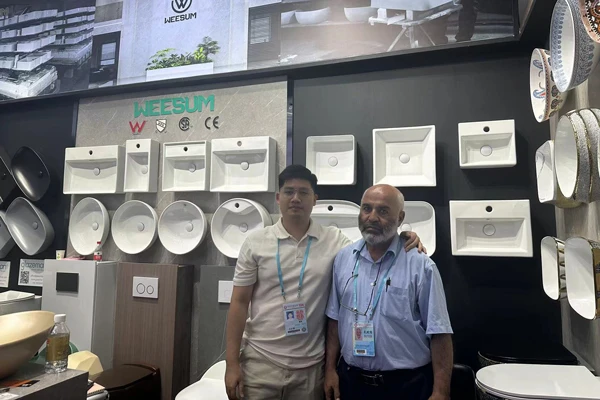
Why Poor Ceramic Basin Customization Can Become an Expensive Mistake
For a Wholesaler, choosing customization only by appearance can create hidden costs. A new color may require sampling, a size change can affect tooling, and a new shape can extend development time and increase mold investment. Poor packaging can also turn a good product into a costly logistics problem. The key is not to customize everything, but to select the right level of customization for your market, order volume, brand position, and production capability.
Ceramic basin customization typically covers color, glaze, logo, size, shape, packaging, and new mold development. WEESUM supports both light customization and deeper OEM and ODM development, allowing Wholesalers and private label brands to balance differentiation, investment, development time, and production practicality.
What Can Be Customized on a Ceramic Basin?
Current ceramic basin manufacturers commonly organize customization around several practical dimensions, including product appearance, dimensions, branding, packaging, and tooling. Some factories also separate light customization from deeper development, which is useful because changing a finish is commercially very different from creating a completely new basin structure. :contentReference.
For an international buyer, the most useful way to evaluate customization is to divide it into three levels:
- Light customization: logo, color, glaze and packaging based on an existing product.
- Medium customization: size, selected structural details, drainage configuration or other product adaptations.
- Deep customization: new shape, new mold and development of a proprietary product.
| Customization Level | Main Options | Commercial Objective | Development Complexity |
|---|---|---|---|
| Light | Logo, color, glaze, packaging | Private label differentiation | Low to medium |
| Medium | Size, selected dimensions, functional details | Market or project adaptation | Medium |
| Deep | New shape and new mold development | Exclusive product positioning | High |
This classification is more useful than simply asking a Supplier whether it offers OEM or ODM. The important question is what the factory can actually customize, how the change affects tooling and sampling, and whether the expected order volume justifies the development investment.
1. Color Customization: The Fastest Way to Differentiate a Basin Collection
Color is usually one of the first customization options considered by a bathroom brand because it can change the market appearance of an existing ceramic basin without necessarily requiring a completely new product structure. Current supplier offerings commonly include white, black, grey, custom colors, matte finishes, and other decorative treatments.
Why Color Matters for a Wholesaler
Color should be selected according to commercial positioning rather than personal preference. A Wholesaler selling through building material stores may need a stable core collection, while a design-oriented bathroom brand may need a more distinctive palette.
- Classic white can serve as a broad-market core product.
- Black and grey can support modern and minimalist collections.
- Selected matte colors can create a contemporary appearance.
- Marble-look effects can support decorative or premium positioning.
- Metallic finishes can be used selectively for luxury-oriented collections.
WEESUM already offers colored basins, marble-look basins and electroplated basin designs, providing a practical starting point for buyers who want to create differentiated collections without immediately developing every product from a new mold.
How to Build a Commercial Color Strategy
A common mistake is offering too many colors at the beginning. Every additional finish can create more sample approvals, inventory combinations and sales complexity. A better approach is to create a hierarchy.
- Choose one core color with the broadest market potential.
- Select one or two secondary colors that match current market demand.
- Reserve special finishes for premium or design-led models.
- Check physical samples under normal showroom lighting.
- Confirm the final color standard before bulk production.
Example: Building a Three-Level Basin Collection
A private label brand could structure its collection around a core white series, a modern matte series and a premium decorative series. The same basic product architecture can then support different retail positions without creating an unnecessarily large number of models.
This is particularly useful when a Wholesaler wants to test demand before committing to deeper OEM development.
2. Glaze Customization: Control the Surface, Not Just the Color
Glaze is more than a color choice. It determines how the surface looks and contributes to the visual character of the finished basin. Suppliers in the current market commonly distinguish glossy glaze, matte glaze, marble textures, electroplated finishes and other decorative surface treatments.
Glossy Glaze vs Matte Glaze
Glossy glaze is widely associated with a clean, reflective appearance, while matte glaze is often selected for contemporary bathroom collections. Neither is automatically better. The appropriate finish depends on the product position, design language and target customer.
- Glossy finishes can support classic and mainstream product ranges.
- Matte finishes can create a softer contemporary appearance.
- Marble-look finishes can create a stone-inspired visual effect.
- Electroplated finishes can create metallic decorative accents.
Why Physical Samples Are Essential
Color charts and digital images should not be treated as final approval for a ceramic basin. Buyers should inspect physical samples because the perceived result depends on the ceramic body, glaze application, firing process, lighting and surrounding environment.
- Define the target color and surface appearance.
- Ask the Manufacturer whether the finish is already available.
- Request a physical sample.
- Compare the sample against your brand and product range.
- Approve the reference sample before mass production.
For a large wholesale order, this process is particularly important because a small visual difference repeated across hundreds or thousands of products can become a significant commercial issue.
3. Logo Customization: Turning a Factory Product Into a Private Label Product
Logo customization is one of the simplest ways for a bathroom brand to establish private label identity. It is also one of the areas where buyers should provide clear specifications before production begins. Current OEM and ODM suppliers commonly advertise logo placement or engraving together with branded packaging and other private label services.
What Should Be Confirmed Before Logo Production?
- Exact logo artwork and file format
- Logo position on the ceramic basin
- Logo dimensions and proportions
- Logo color or application method
- Whether the logo is applied to the ceramic body or packaging
- Sample approval requirements
WEESUM identifies logo application as part of its light customization capability. This allows a buyer to establish private label branding while using an existing basin model, which can be commercially attractive when speed and order flexibility are more important than exclusive product design.
Logo Placement Should Match Product Design
A logo should be visible enough to support brand recognition without disturbing the visual balance of the basin. For minimalist products, excessive branding may reduce perceived product quality. For a retail private label program, consistent placement across multiple models can be more valuable than making the logo unusually large.
Practical Branding Rule
Define the logo specification once and use the same visual rules across the basin collection, packaging, catalog and other sales materials. This makes several different ceramic models appear to belong to one professional brand.
4. Size Customization: When Standard Dimensions Are Not Enough
Size customization becomes more important when the basin must fit a particular vanity, countertop, bathroom layout or project specification. Some current ceramic basin factories explicitly offer custom dimensions as part of OEM and ODM programs.
Common Reasons to Customize Basin Dimensions
- A bathroom cabinet Manufacturer has a fixed vanity dimension.
- A project requires a specific countertop opening.
- A retailer serves a market with local size preferences.
- A compact bathroom requires a smaller footprint.
- A premium collection requires specific proportions.
However, changing a basin dimension is not always as simple as changing a number on a drawing. The Manufacturer needs to evaluate the relationship between the ceramic body, wall thickness, drainage area, installation position and overall structural design.
Questions to Ask Your Supplier
- Can the requested dimension be produced using an existing mold?
- Does the change require modification of the mold?
- Will the new size affect drainage or installation?
- Is a new sample required?
- What order quantity makes the modification commercially reasonable?
- Will packaging dimensions also need to change?
The last question is frequently overlooked. A change in basin dimensions can affect the carton, protective materials, loading efficiency and warehouse handling. Therefore, product development and packaging development should be considered together.
5. Shape Customization: The Strongest Tool for Product Differentiation
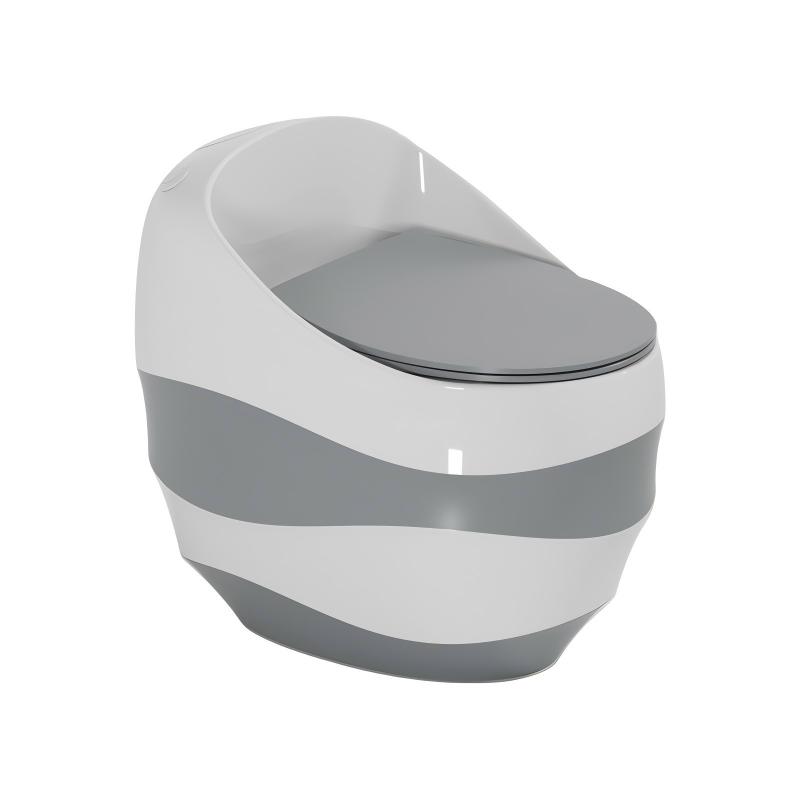
Shape customization has greater potential to create a distinctive product than simply changing a logo or color. It can also require more engineering work. Current ceramic basin manufacturers commonly present round, oval, rectangular, square and irregular shapes, with some offering fully customized designs.
Shape Should Follow Market Positioning
A shape should have a commercial reason. If your brand targets modern European-style interiors, for example, a minimalist thin-rim or geometric form may be more appropriate than adding random decorative details.
- Round forms can support softer design concepts.
- Oval forms can provide a balanced visual proportion.
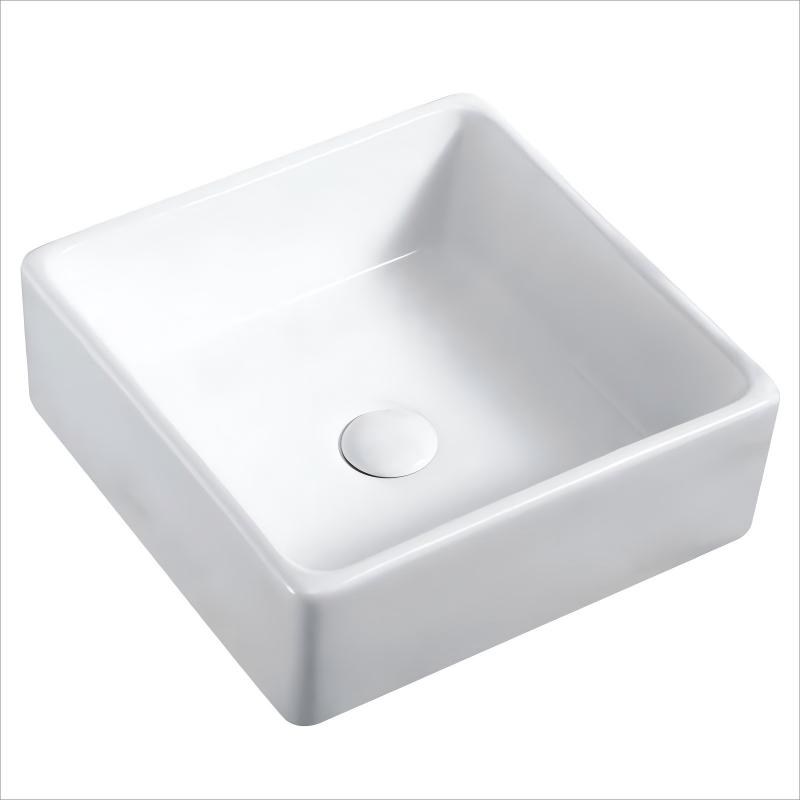
- Rectangular forms can support modern minimalist bathrooms.
- Geometric forms can create stronger visual differentiation.
- Irregular forms can become signature products for design-led collections.
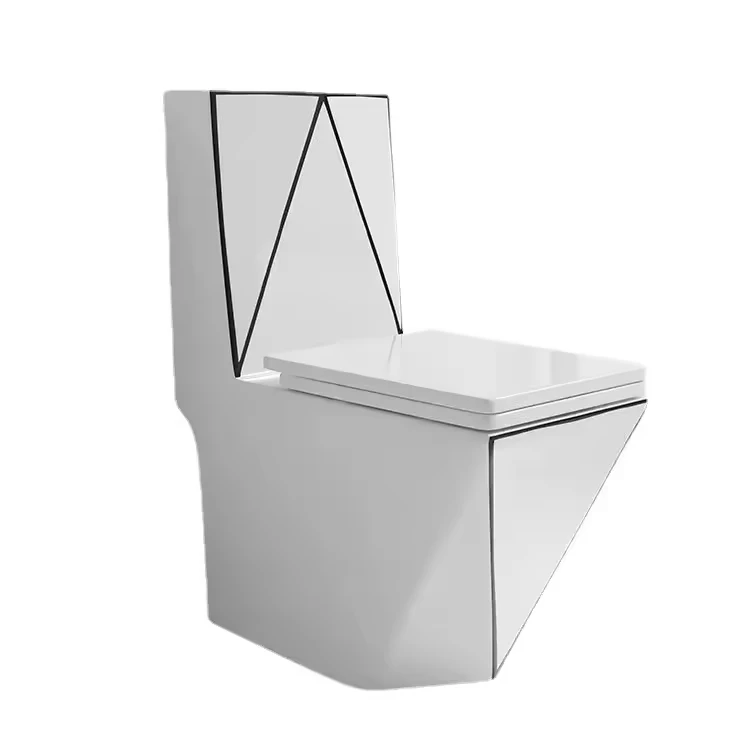
WEESUM presents basin styles including artistic, minimalist, thin-rim, rounded-corner, geometric, marble-look and other design-oriented directions. This broad product base can help buyers start from existing design concepts before deciding whether a completely new shape is commercially necessary.
Existing Shape vs New Shape
| Approach | Advantages | Potential Trade-Off |
|---|---|---|
| Existing shape | Faster selection and lower development complexity | Less product exclusivity |
| Modified shape | More market differentiation | Additional sampling and technical evaluation |
| New shape | Strongest product identity | New mold and higher development commitment |
For many Wholesalers, the modified-shape approach can be a useful middle ground. It allows stronger differentiation while avoiding the full commercial commitment of creating an entirely new product architecture.
6. Drainage, Faucet Holes and Installation Details Can Also Matter
When discussing ceramic basin customization, buyers often focus on visible appearance and overlook installation details. Yet drainage position, overflow configuration, faucet-hole arrangement and mounting type can determine whether a basin is actually suitable for a particular market or project. Current custom basin suppliers explicitly list drainage design and faucet configuration among technical customization considerations.
Technical Details to Confirm
- Drain opening position
- Overflow requirements
- Faucet-hole configuration
- Countertop or wall-hung installation
- Compatibility with the intended vanity or countertop
- Applicable market or project requirements
This becomes particularly important for project buyers. A visually attractive basin that does not match the local installation system can create additional site work and customer complaints.
Design and Installation Must Be Developed Together
For deeper OEM and ODM projects, the design brief should contain both visual and technical information. A good brief should not only show a reference image. It should define dimensions, installation method, drainage requirements, faucet configuration and other relevant specifications.
7. Packaging Customization: Protect the Basin and Build the Brand
Packaging is both a logistics requirement and a branding opportunity. Ceramic basins are fragile, and international transportation adds additional handling risks. Current ceramic basin suppliers commonly offer branded cartons, protective packaging, customized packaging structures and related private label materials.
- Carton artwork
- Brand logo
- Product model number
- Barcodes and SKU information
- Product descriptions
- Installation information
- Multilingual packaging content
- Internal protective structure
For a Wholesaler, packaging also affects warehouse efficiency. Clear model numbers and consistent labeling can reduce mistakes when receiving, storing and dispatching different basin models.
Packaging Should Be Tested With the Product
Do not approve packaging based only on artwork. The physical packaging should be evaluated together with the ceramic basin because product dimensions, weight, protective material and carton structure affect transportation performance.
- Confirm the final basin dimensions.
- Determine the required protective structure.
- Develop the carton design.
- Check product identification and barcode requirements.
- Test the physical packaging.
- Confirm the final packaging specification before mass production.
8. New Mold Development: When You Need a Truly Different Product
New mold development is the most substantial customization option. It is appropriate when an existing basin cannot provide the required shape, dimensions or design identity. Current OEM and ODM manufacturers commonly position new mold development as a deeper customization route for buyers seeking exclusive products.
When Is a New Mold Worth Considering?
A new mold should not be ordered simply because customization sounds attractive. The commercial question is whether the expected product differentiation and future sales justify the additional development commitment.
- Your existing product range cannot meet the market requirement.
- Your brand needs a signature basin design.
- You already have a strong sales channel for the product.
- You expect repeat orders rather than a one-time purchase.
- Your target retail position can support the development investment.
- You want greater control over product differentiation.
Typical New Mold Development Workflow
- Prepare drawings, dimensions, reference images or a detailed design brief.
- Submit the requirements to the Manufacturer.
- Review technical feasibility and production implications.
- Confirm tooling and development requirements.
- Develop the mold.
- Produce the first sample.
- Check appearance and dimensions.
- Verify installation and functional details.
- Make revisions where necessary.
- Approve the final sample.
- Confirm the production specification.
- Begin mass production.
Mold Ownership Should Be Discussed Before Development
For a new mold project, buyers should clarify tooling cost, ownership, usage rights, storage arrangements and future production conditions before approving the project. These commercial details are separate from the visual design itself and should be included in the development agreement.
9. OEM vs ODM: Which Customization Route Is More Practical?
OEM and ODM are not simply two different names for customization. They represent different approaches to product development. In an OEM relationship, the buyer may provide a specific design or technical brief. In ODM, the buyer typically starts from the Manufacturer existing development capability or product platform and adapts it to the market.
ODM Can Be Practical for Faster Market Entry
If you are a Wholesaler launching a private label line, ODM can allow you to select an existing basin and customize commercially important elements such as color, glaze, logo and packaging. This can provide differentiation without requiring every product to start from a blank sheet.
OEM Can Be Better for Signature Products
If your brand already has a strong design concept, OEM can provide greater control over dimensions, shape and other specifications. It is particularly relevant when product exclusivity is a meaningful part of your competitive strategy.
WEESUM supports both light customization and deeper OEM and ODM cooperation, allowing buyers to choose the development level according to product requirements, market positioning and order volume.
10. How Order Volume Should Influence Customization Decisions
Order volume is one of the most important commercial variables in customization. A product modification that makes sense for a large recurring program may not make sense for a small trial order.
A useful decision framework is:
- Small trial order: prioritize existing models, logo, color and packaging.
- Growing private label range: add selected glaze and size customization.
- Established sales volume: consider modified shapes or deeper OEM and ODM development.
- High-volume signature product: evaluate new mold development and exclusive product design.
WEESUM states an MOQ of 50 pieces in its FAQ material, while the company’s broader business positioning focuses on wholesale, project supply and OEM and ODM cooperation. Buyers should therefore confirm the exact MOQ, development requirements and commercial terms for the specific customized product rather than assuming that one MOQ applies to every project.
11. A Practical Customization Brief for Your Supplier
One of the easiest ways to improve the quotation and development process is to give the Supplier a complete technical and commercial brief. A vague request such as custom ceramic basin usually produces a vague quotation.
Information Your Brief Should Include
- Target country and market segment.
- Product type and installation method.
- Reference model or reference image.
- Required dimensions.
- Shape and design preferences.
- Color and glaze requirements.
- Logo artwork and placement.
- Drainage and faucet-hole requirements.
- Packaging requirements.
- Estimated order quantity.
- Expected repeat-order volume.
- Required certification or market compliance information.
- Target development schedule.
The more complete the brief, the easier it becomes for the Manufacturer to evaluate feasibility and for you to compare different Suppliers on the same basis.
12. How WEESUM Approaches Ceramic Basin Customization
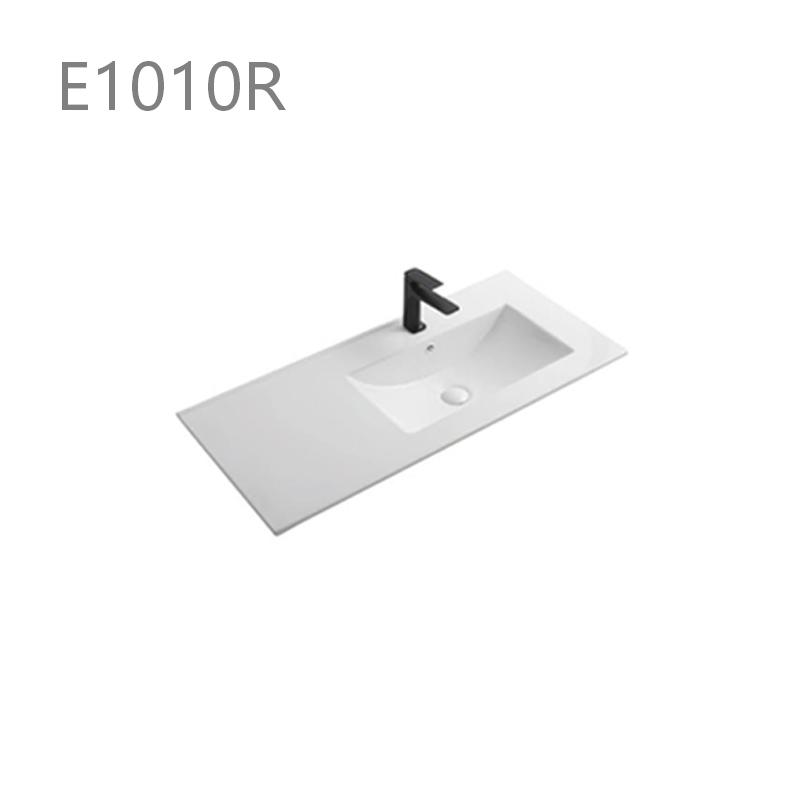
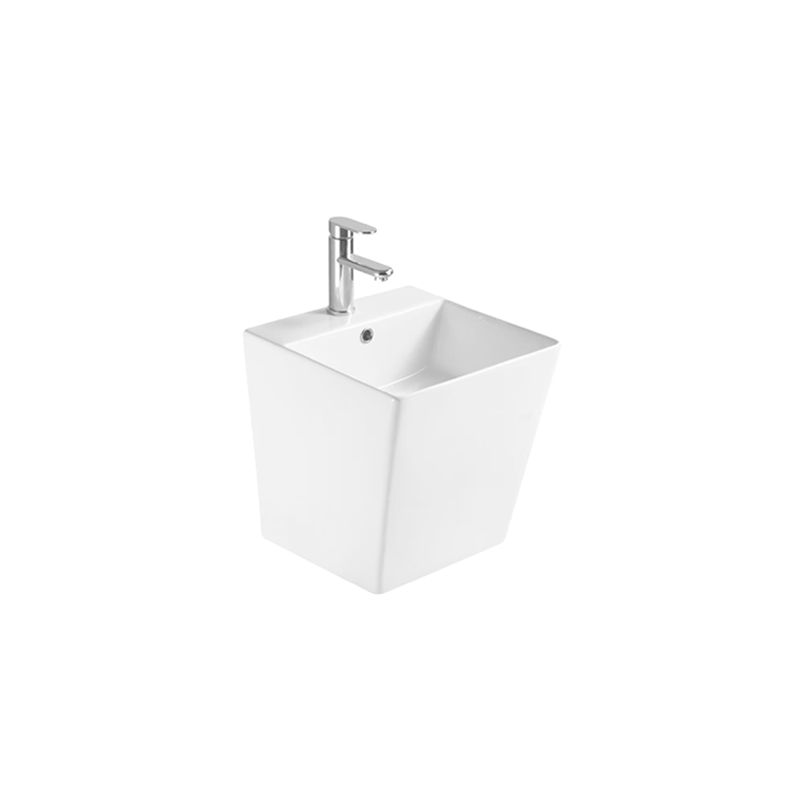
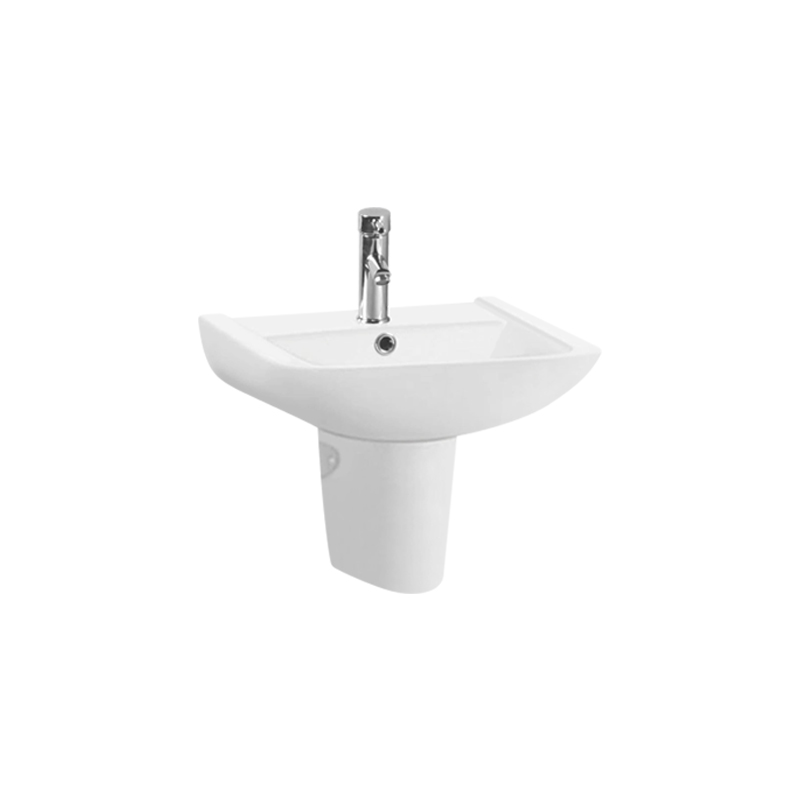
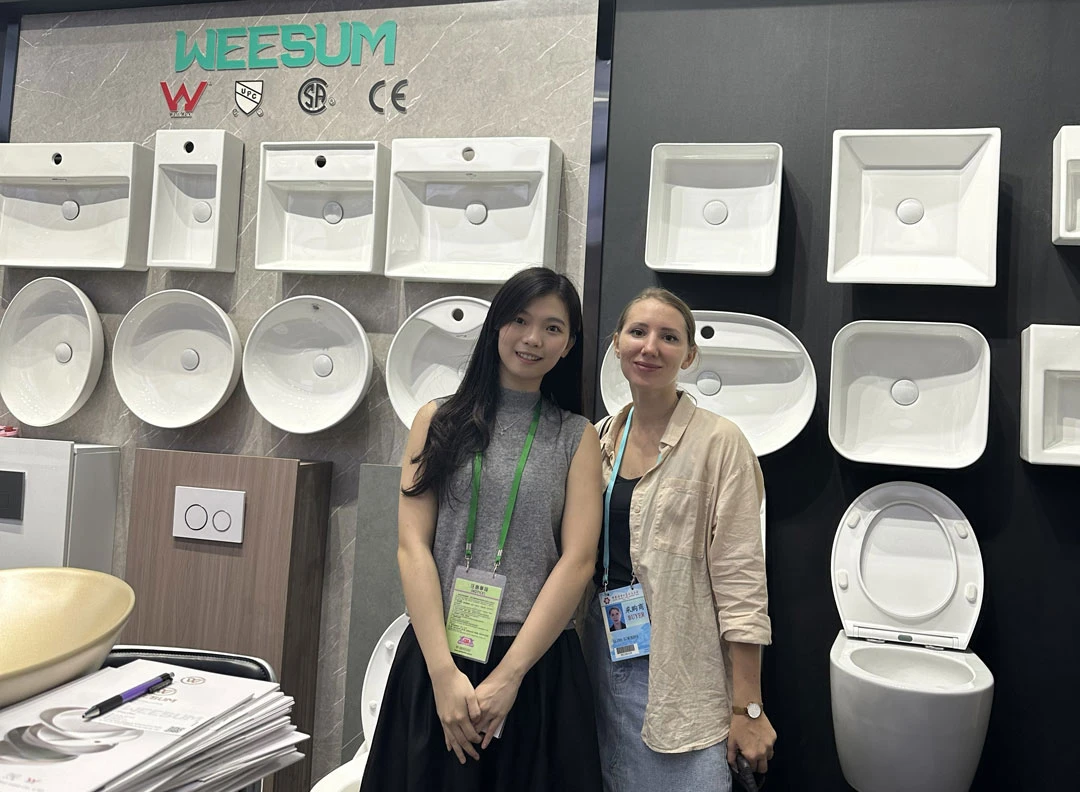
WEESUM is a Chaozhou-based ceramic sanitary ware Manufacturer focused on ceramic basins and toilets for international wholesale, project and private label markets. Its basin portfolio covers countertop, pedestal, undercounter, vanity, wall-hung, colored, electroplated and marble-look categories, giving buyers a broad starting point for customization.
According to the company information provided, WEESUM operates a production base of more than 50,000 square meters, with more than 30 advanced high-pressure casting lines and monthly output exceeding 100,000 pieces. Its manufacturing process includes high-pressure casting, glazing, tunnel kiln firing, finished-product inspection, packaging and shipping. These capabilities are relevant when a customized product needs to move from sample development into repeat wholesale production.
WEESUM separates customization into lighter changes and deeper development. Light customization can include color, glaze treatment and logo application using existing molds. Deeper OEM and ODM cooperation can support more substantial product modifications and specialized development requirements. The company describes the process as requirement discussion, evaluation, sampling, confirmation and production.
Why This Model Can Work for International Wholesalers
A Wholesaler does not necessarily need every product to be fully customized. A more practical portfolio can combine standard products, light customization and selected deeply customized products.
| Product Strategy | Customization | Best Commercial Use |
|---|---|---|
| Core range | Existing model and standard finish | Volume and broad market coverage |
| Private label range | Logo, color, glaze and packaging | Brand recognition |
| Market-specific range | Size and selected design modifications | Local market adaptation |
| Signature range | New shape and deeper OEM or ODM | Long-term differentiation |
This staged strategy allows a brand to protect its purchasing flexibility while gradually increasing product differentiation as sales data supports further investment.
13. The Most Important Mistake to Avoid: Customizing Without a Commercial Reason
Customization should solve a business problem. If a new color does not improve sales, if a new size does not fit a real customer requirement, or if a new mold does not create meaningful differentiation, the additional development cost may not produce a return.
Before approving customization, ask:
- Does this change solve a real customer need?
- Does it strengthen our brand positioning?
- Can we sell enough units to justify the development?
- Will the change affect packaging or logistics?
- Does it create meaningful differentiation from competing products?
- Can the factory reproduce the specification consistently?
- Will the product remain commercially attractive after customization costs?
This way of thinking changes customization from a simple product feature into a product strategy.
14. Ceramic Basin Customization Checklist
Before placing a customized ceramic basin order, use the following checklist to reduce misunderstandings between your team and the Supplier.
- Define the target market and customer segment.
- Select the appropriate basin category.
- Decide whether an existing model can be used.
- Define size and shape requirements.
- Select the color and glaze finish.
- Prepare the correct logo artwork.
- Confirm logo position and application.
- Confirm drainage and installation details.
- Define packaging and labeling requirements.
- Determine whether a new mold is necessary.
- Clarify tooling cost and ownership.
- Confirm sample requirements and approval procedure.
- Confirm MOQ and expected order volume.
- Review production and delivery requirements.
- Approve the final specification before mass production.
Build Customization Around Your Market, Not Around Complexity
The best ceramic basin customization is not the most complicated option. It is the combination of color, glaze, logo, size, shape, packaging and tooling that creates measurable value for your customers. For some Wholesalers, an existing mold with private labeling is enough. For others, a new OEM product is the right long-term investment.
WEESUM can support both approaches through its ceramic basin portfolio, light customization services, and deeper OEM and ODM capabilities. Its factory-based production model is designed for international wholesale and project supply, giving buyers a path from existing products to more specialized development.
Ready to Customize Your Ceramic Basin Line?
Define your target market, choose the right customization level, and let production capability guide your investment. Contact WEESUM to discuss color, glaze, logo, size, shape, packaging, new mold development, OEM and ODM options, samples, and a quotation for your project.