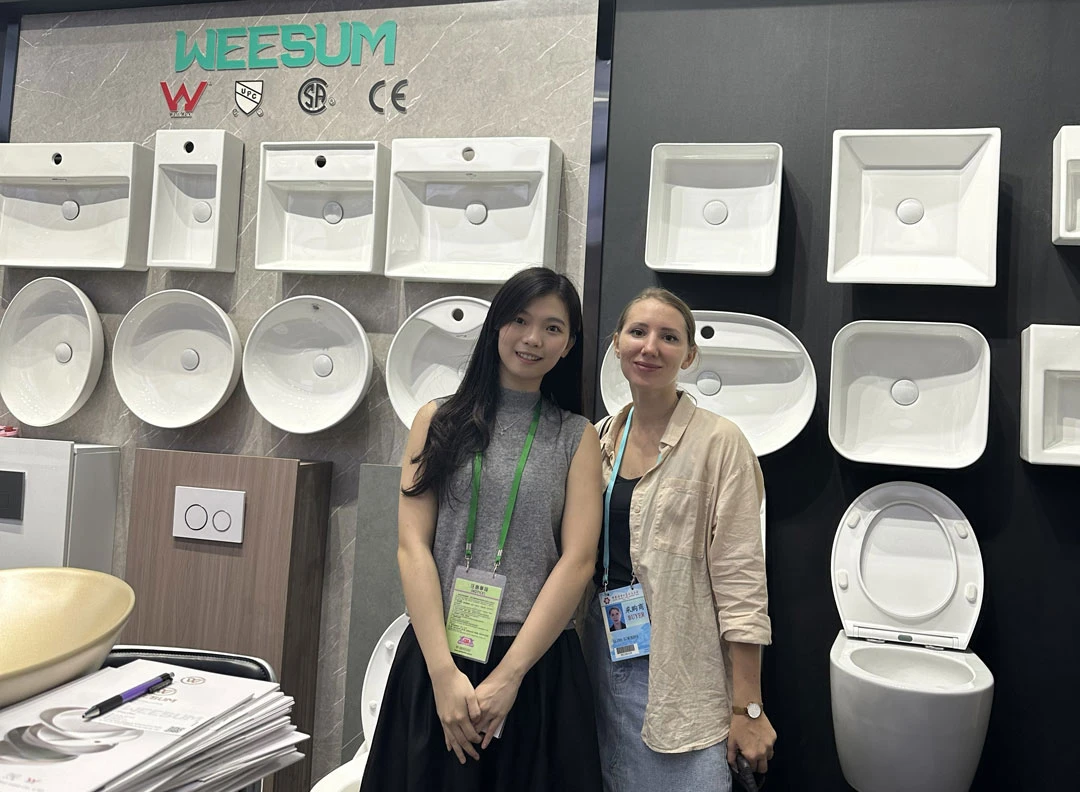
Why Choosing the Wrong China Sanitary Ware Supplier Can Damage Your Business
Many overseas buyers struggle to determine whether they are working with a genuine Manufacturer or simply a trading company. The wrong choice can lead to inconsistent quality, delayed shipments, weak communication, hidden markups, and unexpected supply chain disruptions. These issues become even more serious when launching private-label collections or large construction projects requiring OEM or ODM production. Without direct factory control, buyers often face limited product customization, poor production visibility, and increased commercial risks. Fortunately, understanding how China’s sanitary ware supply chain operates allows importers to reduce uncertainty. By learning to identify authentic manufacturers, evaluate supplier capabilities, and verify compliance, buyers can establish long-term partnerships that improve product quality, pricing stability, and delivery performance.
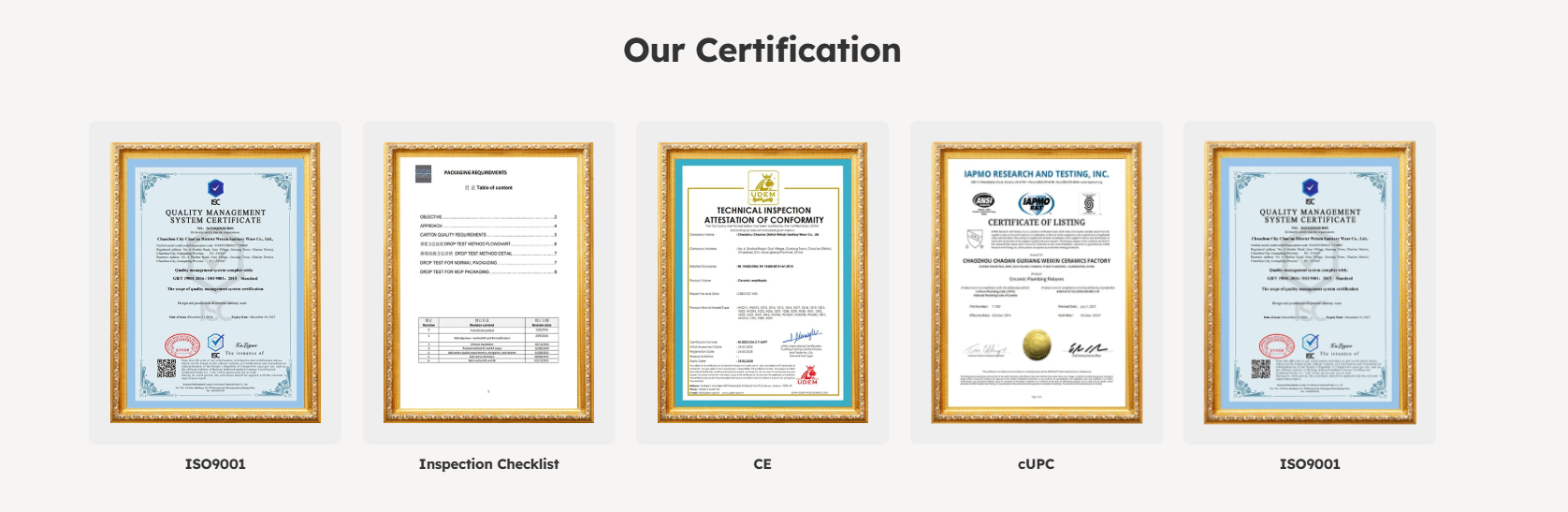
A qualified sanitary ware Manufacturer should demonstrate transparent production capability, verified ISO 9001, CE, cUPC, WaterMark, BSCI, stable quality systems, and complete OEM and ODM support. WEESUM combines over 30 years of manufacturing experience with advanced production facilities, helping global buyers build reliable and scalable supply chains.
The following guide reveals the practical methods experienced importers use to distinguish real factories from intermediaries. You will discover industry verification techniques, supplier audit strategies, risk-control practices, and sourcing decisions that are rarely explained by sales representatives but significantly influence purchasing success.
Differentiate Between Manufacturer and Trading Companies in China
Understanding the difference between a Manufacturer and a trading company is one of the most important decisions during supplier selection. Although both may appear professional online, their business models are fundamentally different.
A Manufacturer owns production facilities, controls manufacturing schedules, manages quality inspections, and continuously improves production efficiency. Trading companies primarily coordinate orders between buyers and factories while adding management services and commercial margins.
| Comparison Item | Manufacturer | Trading Company |
|---|---|---|
| Production Ownership | Own factory and equipment | No production facility |
| Price Structure | Direct factory pricing | Additional intermediary margin |
| OEM / ODM | Direct engineering support | Depends on factory partner |
| Quality Control | Internal Quality Management System | External coordination only |
| Lead Time Control | Direct scheduling | Limited production control |
For buyers developing branded sanitary ware, direct cooperation with a Manufacturer generally provides better communication, stronger product consistency, faster engineering modifications, and improved long-term competitiveness. However, each sourcing model has advantages depending on purchasing objectives, order size, and market strategy.
Signs You Are Talking to a Real Manufacturer
Professional buyers rarely rely solely on supplier websites. Instead, they verify operational capability using measurable indicators.
- Own production workshops with automated equipment.
- Complete manufacturing process from raw materials to finished products.
- Transparent factory videos and production documentation.
- Support for factory inspections and Factory Audit.
- Independent engineering team for Customizable OEM and ODM projects.
- Stable production capacity with documented manufacturing schedules.
- Dedicated Quality Control department performing multiple inspection stages.
- International certifications such as ISO 9001, CE, cUPC, NSF, WaterMark, SASO, and BSCI.
WEESUM demonstrates these characteristics through more than 30 years of ceramic manufacturing experience, a production base exceeding 50,000 square meters, advanced high-pressure casting technology, tunnel kiln production, and comprehensive OEM and ODM services. The company also maintains strict quality inspection procedures while serving distributors, project contractors, hospitality buyers, and private-label brands worldwide. :contentReference[oaicite:0]{index=0}
Common Traits of Trading Companies
Trading companies are not inherently unreliable. Many provide valuable sourcing services, especially when buyers need multiple product categories or flexible order consolidation. However, buyers should recognize their operational characteristics before making purchasing decisions.
Common indicators include:
- Limited technical knowledge about manufacturing processes.
- No factory ownership or production equipment.
- Difficulty arranging factory visits.
- Frequent changes in production lead times.
- Indirect communication with engineers.
- Limited authority over production scheduling.
- Higher exposure to Supply Chain Risk when factory relationships change.
- Reduced visibility into Production Planning and Quality Assurance.
Trading companies may also source from multiple factories, causing product consistency to vary between production batches. For standardized procurement this may be acceptable, but buyers requiring Customizable products, private branding, or long-term product development often benefit from direct collaboration with a Manufacturer.
Practical Ways to Verify Supplier Type
Experienced procurement professionals combine documentation review with operational verification rather than relying on marketing materials.
- Request the company’s business license and manufacturing registration.
- Review factory videos showing complete production workflows.
- Ask for certification copies including ISO 9001, CE, or market-specific approvals.
- Schedule a live video factory tour.
- Conduct a third-party Factory Audit.
- Review production capacity and monthly output.
- Evaluate engineering responsiveness for OEM or ODM modifications.
- Place a sample order before mass production.
- Implement a Pre-Production Inspection, During Production Inspection, and Pre-Shipment Inspection.
| Verification Method | Purpose | Risk Reduced |
|---|---|---|
| Factory Audit | Verify manufacturing capability | Supplier Fraud |
| Sample Evaluation | Confirm product quality | Quality Risk |
| Production Inspection | Monitor manufacturing process | Production Defects |
| Pre-Shipment Inspection | Verify final goods | Shipment Risk |
Combining these verification methods significantly improves procurement confidence while reducing long-term sourcing uncertainty.
Should You Always Choose a Factory?
Not necessarily. The ideal Supplier depends on your purchasing objectives rather than a single sourcing rule.
A Manufacturer is usually the preferred choice when buyers require large-volume purchasing, stable quality standards, product innovation, Customizable solutions, OEM branding, ODM product development, and long-term supply chain cooperation. Direct manufacturing relationships often improve communication speed, engineering collaboration, production flexibility, and cost competitiveness.
However, trading companies may offer advantages for smaller buyers who need mixed product categories, lower minimum order quantities, consolidated shipping, or simplified procurement across multiple factories. They may also provide multilingual communication and additional sourcing support.
The key is understanding which business model aligns with your commercial goals. Rather than assuming one option is universally better, evaluate production capability, transparency, technical expertise, compliance, and long-term partnership potential before making your decision.
How a Sourcing Partner Helps
Professional sourcing partners can add significant value when entering unfamiliar supply chains. Their role extends beyond negotiating prices.
A capable sourcing partner assists with supplier screening, factory qualification, compliance verification, production coordination, quality monitoring, logistics planning, and commercial negotiations. They also help buyers reduce Compliance Risk, improve supplier communication, and manage unexpected production challenges.
For companies purchasing directly from an experienced Manufacturer like WEESUM, many of these services are integrated into the supplier relationship. Dedicated project management, Customizable OEM and ODM development, technical consultation, quality management, export documentation, and production transparency simplify international procurement while maintaining direct factory accountability.
Whether working independently or through a sourcing partner, successful buyers focus on building transparent relationships supported by measurable manufacturing capability and consistent operational performance.
Choose the Right Supply Partner for Long-Term Success
Selecting the right Manufacturer is more than comparing prices—it is about securing quality, compliance, reliability, and sustainable business growth. Contact WEESUM today to discuss your OEM, ODM, and Customizable sanitary ware projects with an experienced manufacturing team dedicated to long-term B2B partnerships.