How to Select Bathroom Fixtures for Hotel Bathrooms: Avoiding Supply Chain Risks
Hotel bathroom procurement can become a costly problem when fixtures look right on paper but fail during installation, operation, or inspection. Poorly controlled quality can create defect rates, replacement costs, and guest complaints. Unclear specifications may cause delivery delays or installation conflicts across multiple rooms. Missing compliance certificates can also create approval problems in different markets. The risk increases when a Supplier cannot provide stable production, inspection records, or clear communication. For hotel buyers, the real challenge is not simply finding a low quotation, but controlling quality risk, project risk, compliance risk, and cost risk from sample approval through mass production and final shipment.
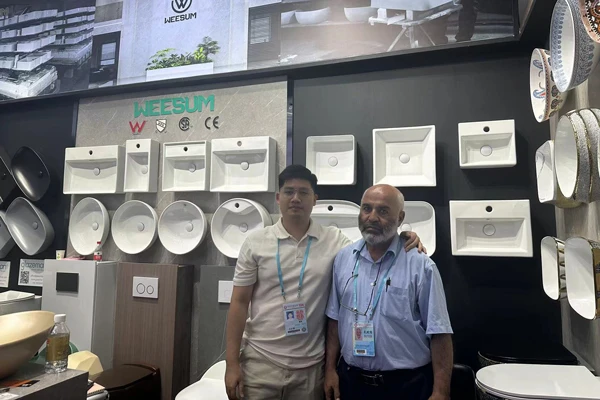
A qualified hotel bathroom fixture Supplier should combine proven manufacturing capability, consistent quality control, relevant compliance certificates, reliable production capacity, customizable OEM/ODM capability, and transparent inspection procedures. WEESUM provides ceramic basins and toilets for wholesale and hospitality projects, supported by an export-oriented manufacturing system and international certifications.
What many buyers discover only after years of sourcing is that product selection is just one part of the decision. The real advantage comes from controlling specifications, factory processes, audits, compliance, logistics, and commercial risks together. The following points reveal the practical details experienced procurement teams examine before placing a hotel project order.
1. Prioritize Quality and Durability
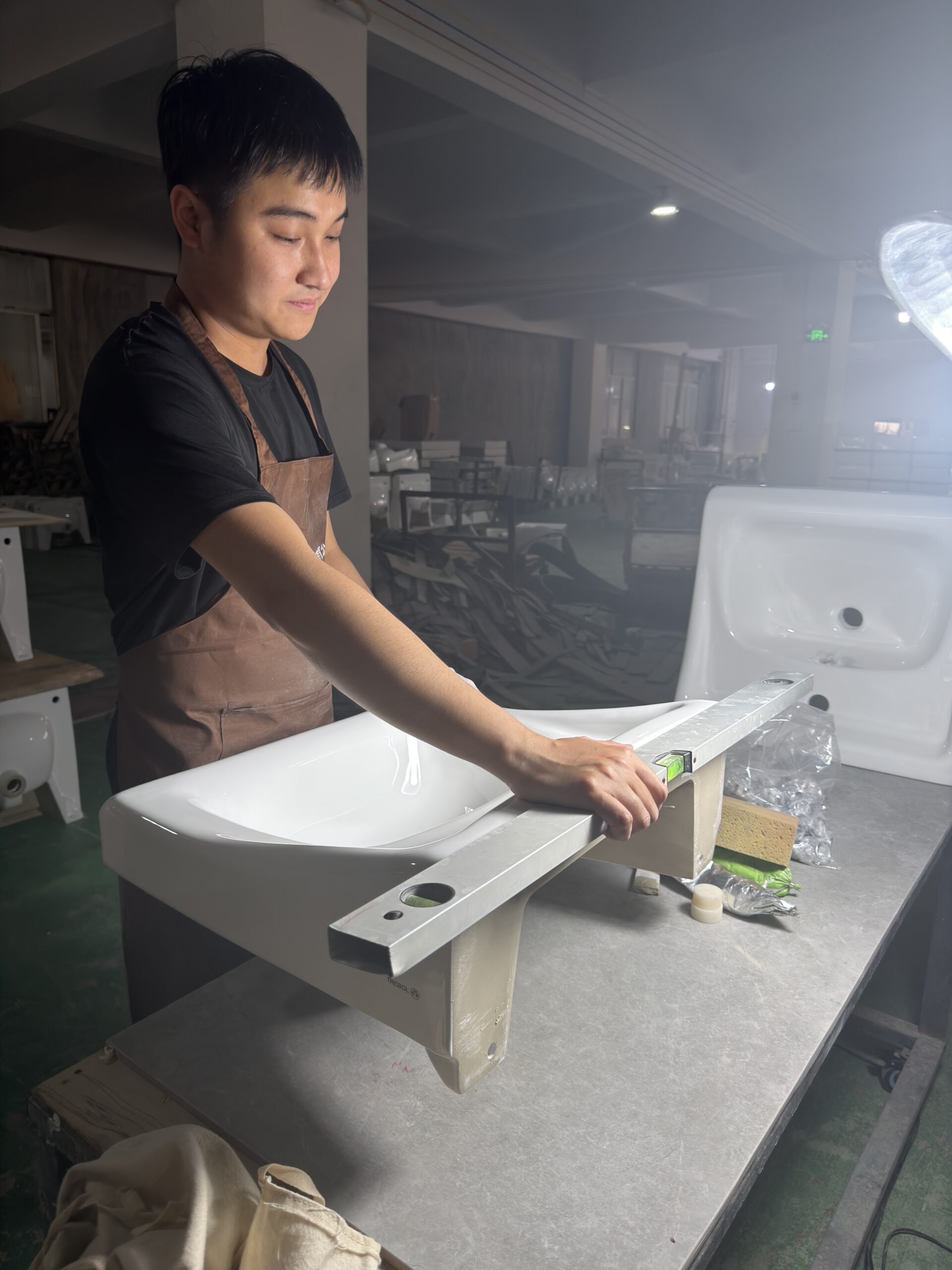
Hotel bathrooms experience much heavier daily use than most residential bathrooms. A fixture that performs well in a showroom may not deliver the same result after thousands of operating cycles. Buyers should therefore evaluate the Manufacturer’s production process, inspection system, dimensional consistency, glaze quality, flushing performance, and packaging standards before comparing quotations.
- Review incoming material and production quality control procedures.
- Confirm critical dimensions against approved drawings and samples.
- Request pre-production inspection and final inspection procedures.
- Check how defects, replacements, and warranty claims are handled.
- Assess packaging against long-distance transportation and site handling.
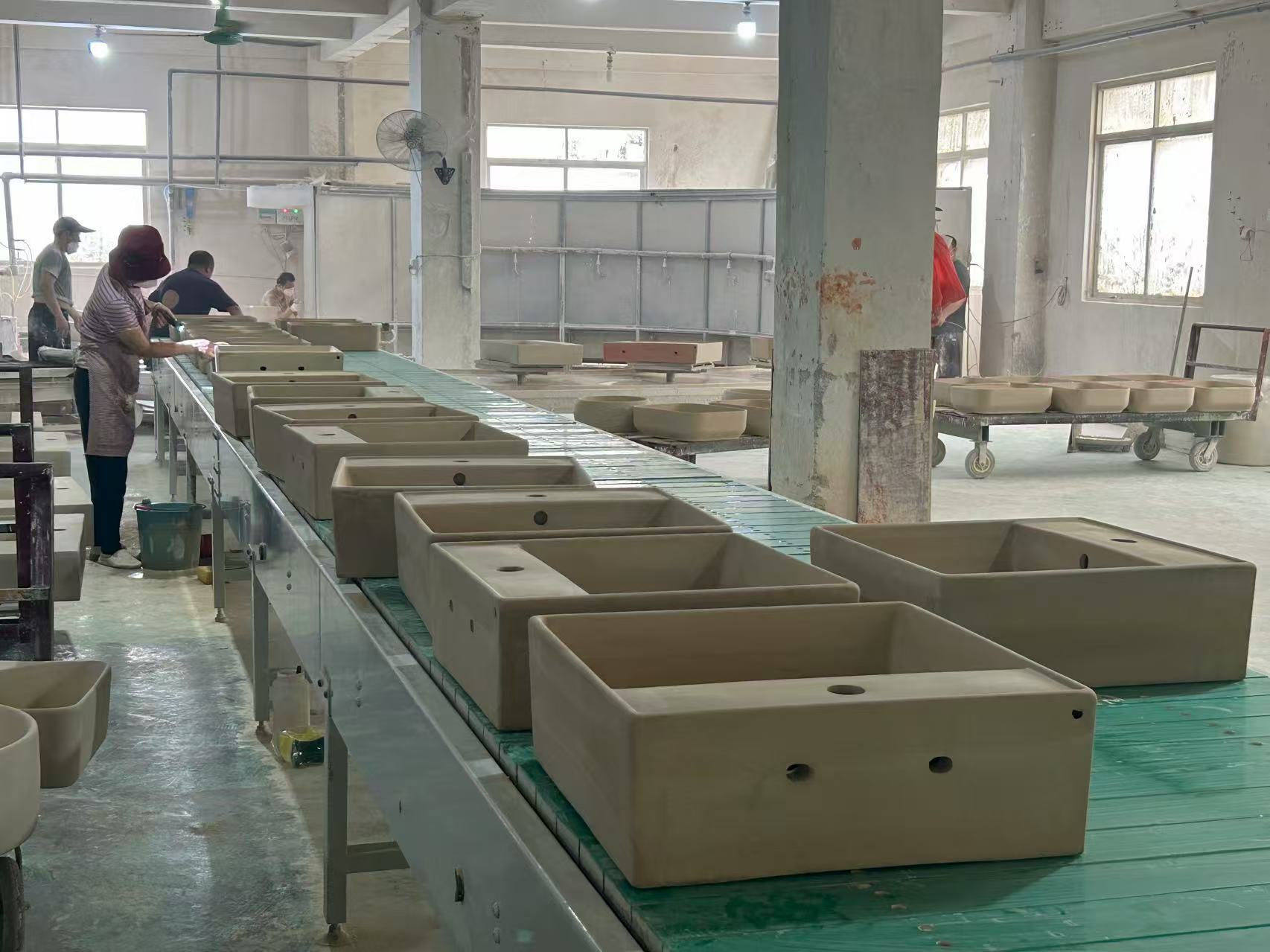
A reliable Supplier should be able to explain where quality is controlled rather than simply promise that products are high quality. WEESUM describes a production process covering high-pressure casting, drying and trimming, glazing, tunnel kiln firing, finished-product inspection, packaging, and shipping. For large hotel projects, this process visibility helps buyers connect factory capability with long-term product consistency.
2. Consider the Hotel’s Style and Theme
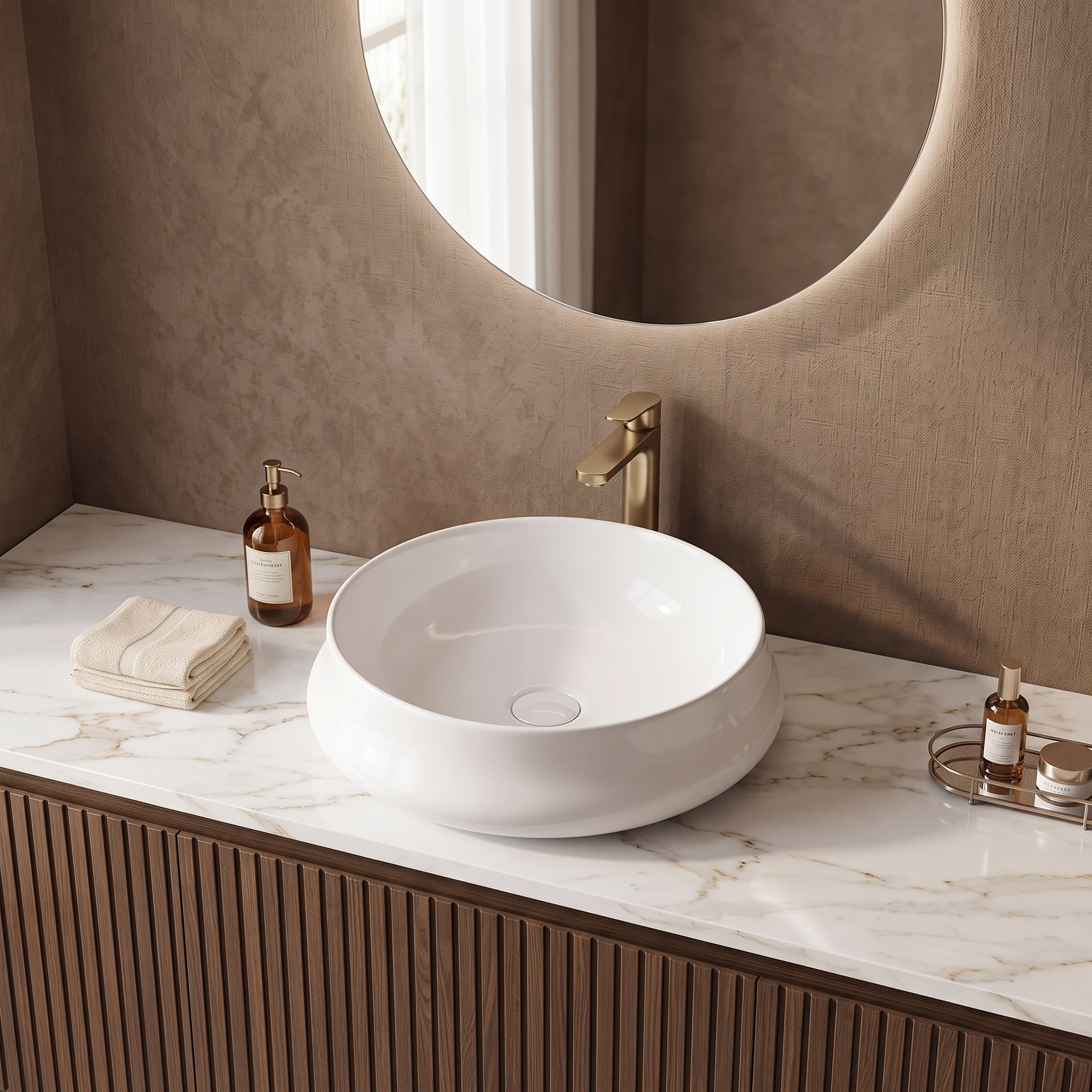
Bathroom fixtures contribute directly to a hotel’s visual identity. A budget hotel may prioritize practical white ceramic products, while boutique and luxury properties may require minimalist, artistic, marble-look, matte, colored, or metallic finishes. Procurement teams should establish a consistent design language before requesting quotations so that different fixtures work together across guest rooms and public areas.
- Define basin and toilet shapes before supplier comparison.
- Match finishes with tiles, countertops, furniture, and hardware.
- Confirm whether the Supplier can provide consistent finishes across production batches.
- Evaluate whether OEM or ODM development is needed for a distinctive hotel concept.
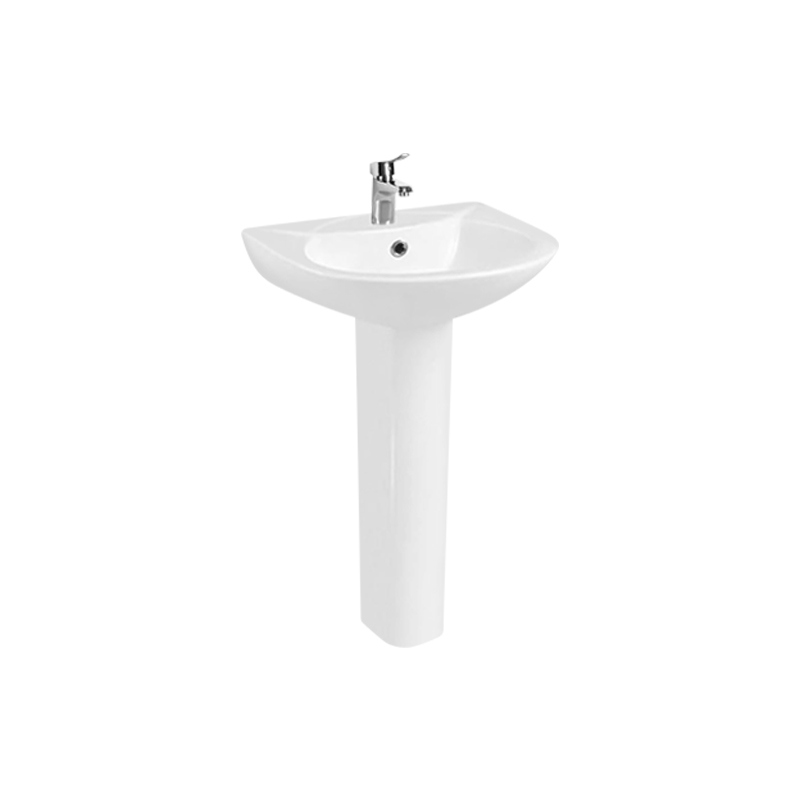
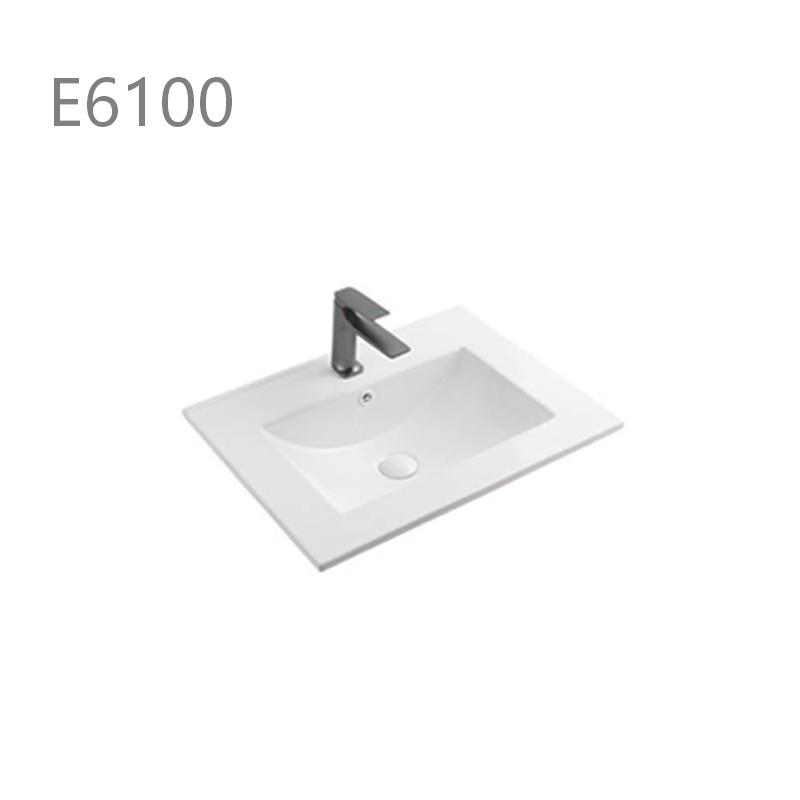
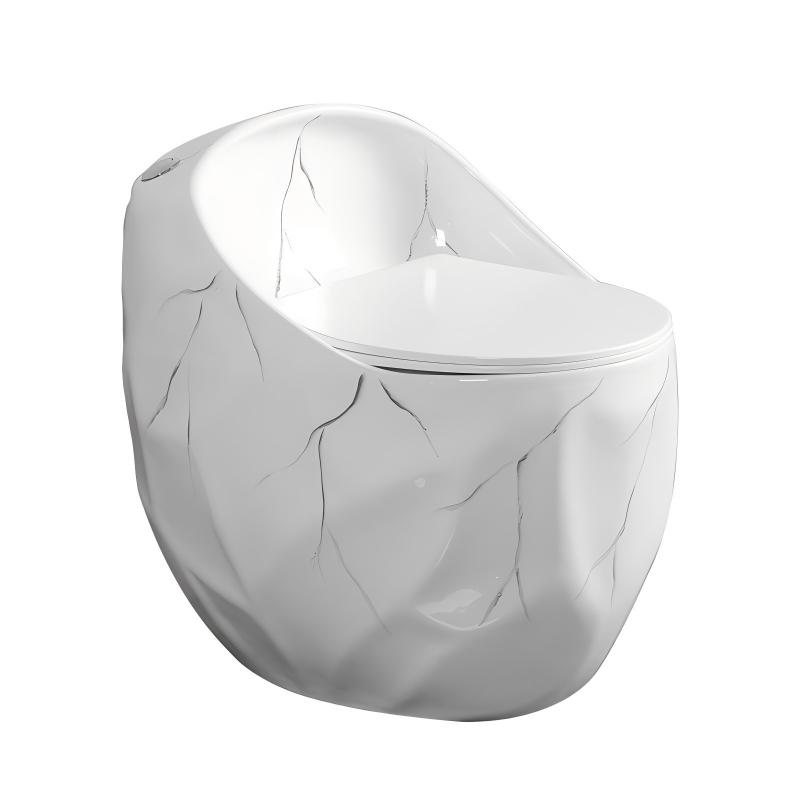
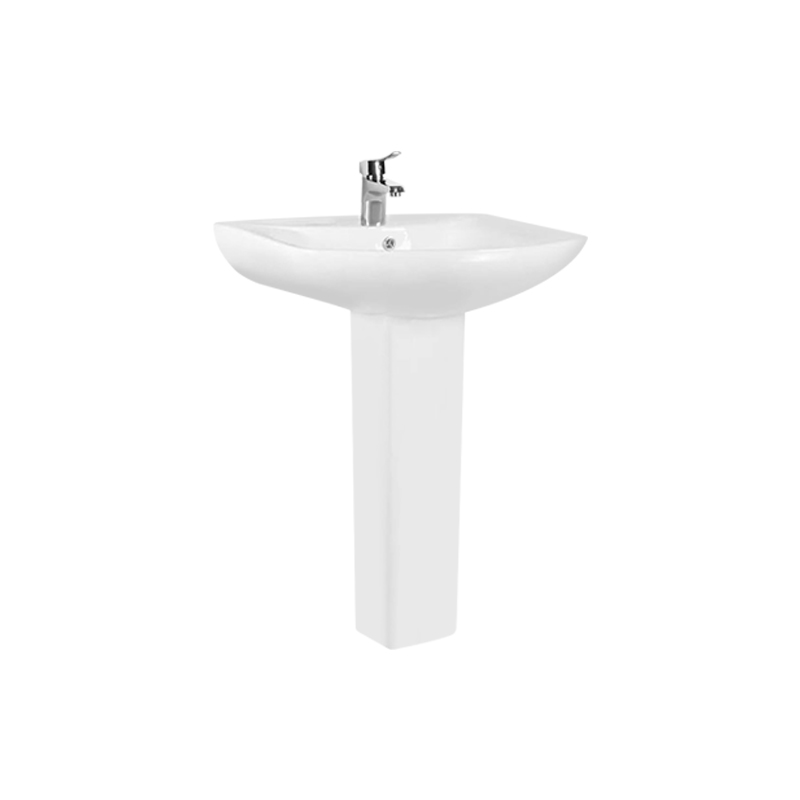
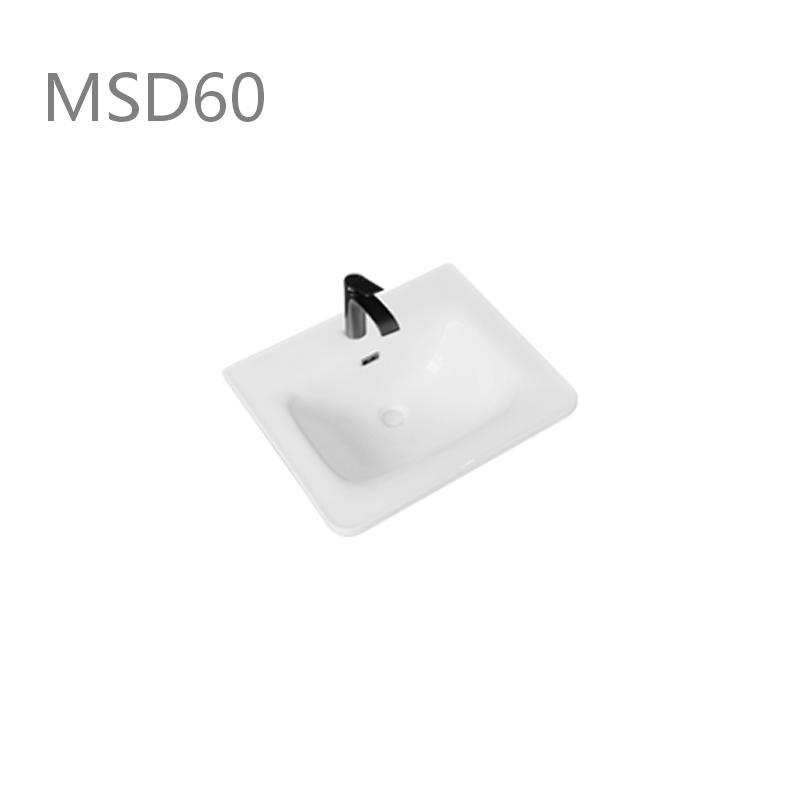
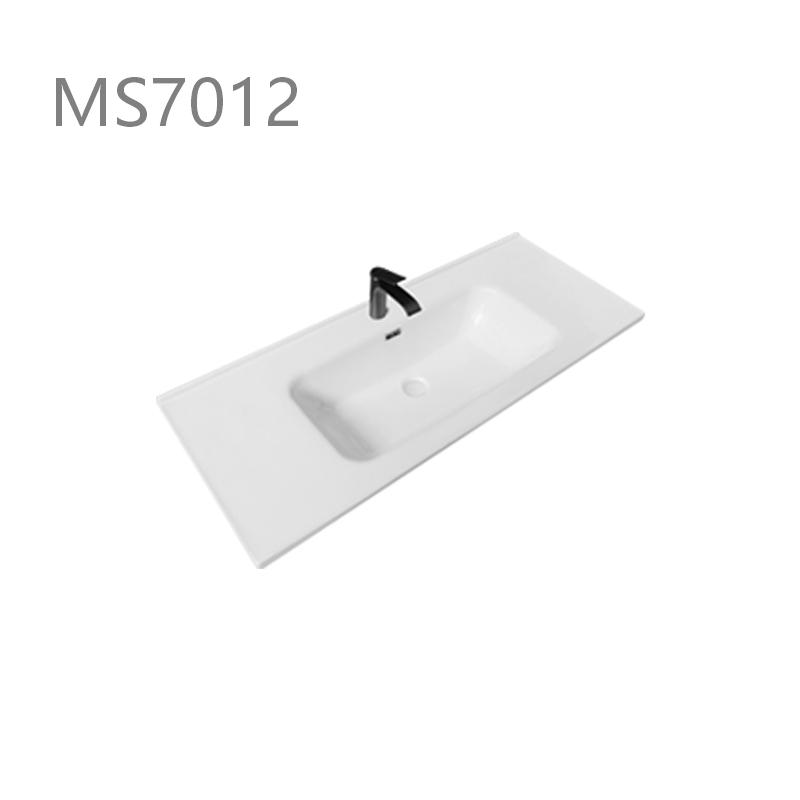
WEESUM’s portfolio includes countertop, pedestal, undercounter, vanity, wall-hung, colored, electroplated, and marble-look basins, together with one-piece, two-piece, wall-hung, and smart toilets. This range can be useful when a project needs coordinated product families rather than isolated models. For private-label hospitality projects, customizable logo, color, glaze, and deeper product modifications can also be discussed during the development stage.
3. Prioritize Comfort and Functionality
Hotel fixtures must satisfy both design expectations and everyday user requirements. Guests notice unstable basins, uncomfortable toilet proportions, weak flushing, excessive noise, inconvenient cleaning areas, and poor drainage. Procurement decisions should therefore consider the complete user experience rather than focusing only on appearance or unit price.
Key Functional Checks
- Verify basin dimensions, depth, overflow arrangement, and drainage compatibility.
- Evaluate toilet flushing performance and anti-clog design.
- Consider quiet operation for guest-room environments.
- Check installation compatibility with local plumbing systems.
- Confirm replacement-part availability for project maintenance.
For hotel projects, a standardized specification sheet should be approved before mass production. The document can include model number, dimensions, color, glaze, accessories, packaging, installation requirements, and inspection criteria. This reduces specification risk when several teams are involved, including architects, contractors, procurement managers, and the factory. A capable Manufacturer should be comfortable working from approved technical documentation rather than relying only on product photographs.
4. Select Suitable Materials
Material selection affects durability, appearance, cleaning performance, transportation risk, and total project cost. Ceramic is widely used for hotel basins and toilets because it combines a hard surface with established manufacturing processes and design flexibility. However, buyers should not evaluate material only by its name. Manufacturing control, firing conditions, glaze application, dimensional accuracy, and finished-product inspection also influence the final result.
Material Evaluation Checklist
- Confirm the ceramic specification and intended application.
- Review glaze appearance and surface consistency.
- Check dimensions and tolerances using approved samples.
- Evaluate resistance to common cleaning procedures.
- Review packaging and protection for international transportation.
WEESUM’s manufacturing information highlights high-pressure casting and high-temperature tunnel kiln firing as important parts of its production system. For buyers, the practical question is whether these processes produce consistent results at the required project volume. A Supplier should therefore be evaluated not only by product samples but also by production capacity, process control, inspection records, and its ability to reproduce the approved sample throughout the order.
5. Focus on Hygiene and Ease of Maintenance
Hotel bathrooms require frequent cleaning, and maintenance teams need fixtures that minimize unnecessary labor. Smooth ceramic surfaces, appropriate shapes, accessible installation areas, and practical drainage design can make routine maintenance easier. Buyers should consider the entire lifecycle rather than judging hygiene only from showroom appearance.
- Prefer smooth, easy-to-clean ceramic surfaces.
- Minimize difficult-to-access areas where dirt can accumulate.
- Review toilet structure and flushing performance for practical hygiene management.
- Consider wall-hung designs where easier floor cleaning supports the project concept.
- Confirm cleaning and maintenance requirements before final specification approval.
Hygiene requirements may also vary by market and project type. Procurement teams should identify applicable compliance requirements before production and request relevant documentation from the Supplier. WEESUM states that its certification portfolio includes ISO9001, CE, CUPC, NSF, WaterMark, SASO, and BSCI. Buyers should nevertheless confirm which certificate applies to the specific model, destination market, and project requirement rather than assuming every certificate covers every product.
6. Emphasize Water-Saving Performance
Water consumption can become a significant operating cost for hotels with hundreds of rooms. Toilet flushing performance should therefore be considered together with water efficiency. The objective is not simply to select the lowest water volume, but to achieve an appropriate balance between flushing effectiveness, clog resistance, user experience, and applicable local standards.
| Procurement Factor | What Buyers Should Verify |
|---|---|
| Flush performance | Effectiveness, anti-clog performance, and consistency |
| Water efficiency | Applicable local water-use requirements and certified performance |
| Project compatibility | Plumbing system, installation conditions, and regional specifications |
| Documentation | Test reports and applicable compliance certificates |
For international projects, buyers should not rely on generic marketing claims such as water-saving or eco-friendly. Ask the Manufacturer to provide model-specific documentation and confirm whether the selected configuration meets the destination market’s requirements. This approach reduces compliance risk and prevents costly product changes after purchase orders have been released.
7. Focus on Design Innovation
Hotel brands increasingly use bathrooms to create a memorable guest experience. Design innovation can therefore become a commercial differentiator rather than a purely aesthetic consideration. Procurement teams may evaluate thin-rim basins, geometric forms, minimalist designs, colored ceramics, marble-look finishes, electroplated surfaces, wall-hung toilets, or smart toilet functions depending on the hotel’s positioning.
The important sourcing question is whether innovative designs can be manufactured consistently at commercial scale. A Supplier may have an attractive prototype but lack the production system required for stable mass production. Before approval, buyers should examine mold development, sampling, production repeatability, inspection procedures, packaging, and lead time.
When OEM and ODM Make Sense
- OEM is suitable when the buyer wants branding or specified product adaptations.
- ODM can support projects requiring deeper design or product development.
- Customizable finishes can differentiate private-label hotel product ranges.
- New designs should pass sample approval before mass production.
WEESUM describes both light customization and deeper OEM/ODM cooperation, with a process covering requirement discussion, evaluation, sampling, confirmation, and production. This structured approach can help buyers develop differentiated hotel fixtures without establishing their own ceramic manufacturing base.
8. Consider Budget Factors
The lowest unit price is rarely the same as the lowest total procurement cost. Hotel buyers should evaluate the full Total Cost of Ownership, including product price, freight, packaging, installation compatibility, replacement rates, maintenance, warranty exposure, and potential project delays.
| Cost Area | Procurement Question |
|---|---|
| Product cost | Does the quotation match the approved specification? |
| Quality cost | What is the Supplier’s inspection and defect-control process? |
| Logistics cost | Are packaging and loading methods suitable for international shipment? |
| Project cost | Could delivery delays or specification changes affect installation? |
| Lifecycle cost | What are the warranty, replacement, and maintenance conditions? |
A professional procurement process should compare Suppliers using the same technical specification and commercial conditions. Buyers should also establish clear MOQ, lead time, payment terms, inspection points, packaging requirements, and warranty terms before signing the purchase contract. WEESUM’s published FAQ indicates an MOQ of 50 pieces and sample lead times of approximately 10 to 15 days depending on style, providing a useful starting point for commercial discussions.
Make the Right Supplier Decision for Your Hotel Project
The right bathroom fixture Supplier should deliver more than attractive products and competitive prices. Evaluate manufacturing capability, quality, compliance, customization, delivery reliability, and lifecycle cost together. Contact WEESUM at calen@weesum.com to discuss your hotel project, request product information, and develop a suitable OEM or ODM supply solution.