Why Ceramic Basin Customization Can Become a Supply Chain Problem
Customizing ceramic basins sounds straightforward until a small design change creates a larger supply chain risk. A new size, glaze, logo, or mounting method can affect mold investment, production time, packaging, quality control, and even shipping efficiency. If the Supplier confirms customization without checking manufacturing feasibility, buyers may face sample delays, inconsistent finishes, higher MOQ, unexpected tooling costs, or rejected production. For wholesalers and bathroom brands, the real problem is not choosing a unique basin. It is choosing customization that remains commercially viable at volume. The solution is to evaluate design, manufacturing capability, quality standards, and total landed cost together before approving the sample and placing the mass-production order.
A qualified ceramic basin Supplier should offer stable factory production, flexible Customizable solutions, clear tooling control, consistent quality, and reliable OEM and ODM support. WEESUM combines ceramic manufacturing expertise, broad basin styles, factory quality control, and customization services for international wholesale and project buyers.
Now let us move beyond attractive product photos and examine how experienced importers evaluate basin customization. The following insights reveal the practical trade-offs between design, production, logistics, quality, and resale value.
Essential Features of Ceramic Basins to Consider
Before discussing colors and shapes, buyers should define the functional features that determine whether a ceramic basin is commercially successful. A professional Manufacturer should help you balance design requirements with production stability rather than simply accept every specification.
- Dimensions and tolerances should suit the intended countertop, cabinet, or wall installation.
- Glaze quality should provide a smooth, durable, easy-clean surface with consistent appearance.
- Drainage design should be compatible with the target plumbing system.
- Installation type may include countertop, undercounter, vanity, wall-hung, or pedestal configurations.
- Packaging protection must reflect the basin shape and international transportation conditions.
Customization can also include color, surface treatment, logo application, overflow configuration, tap-hole arrangement, and dimensional adjustments. However, every additional option can introduce quality-control checkpoints and increase production complexity.
| Customization Area | Typical Commercial Impact | Main Risk to Control |
|---|---|---|
| Size and shape | Tooling and sampling | Tooling cost and dimensional inconsistency |
| Color and glaze | Low to medium customization | Color variation |
| Logo | Brand differentiation | Branding errors |
| Installation design | Project-specific value | Installation compatibility |
Popular Ceramic Basin Styles for Different Bathroom Themes
For wholesalers, basin style should be selected according to the customer segment rather than personal preference alone. A Supplier with a broad catalog can help buyers build a product portfolio covering several bathroom themes without developing every model from zero.
Modern and minimalist bathrooms
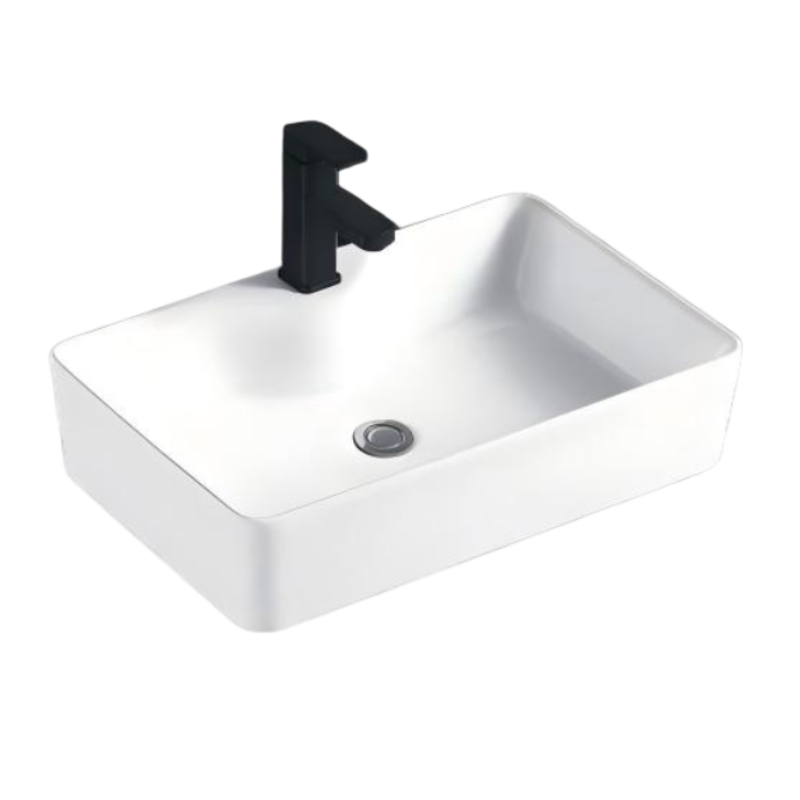
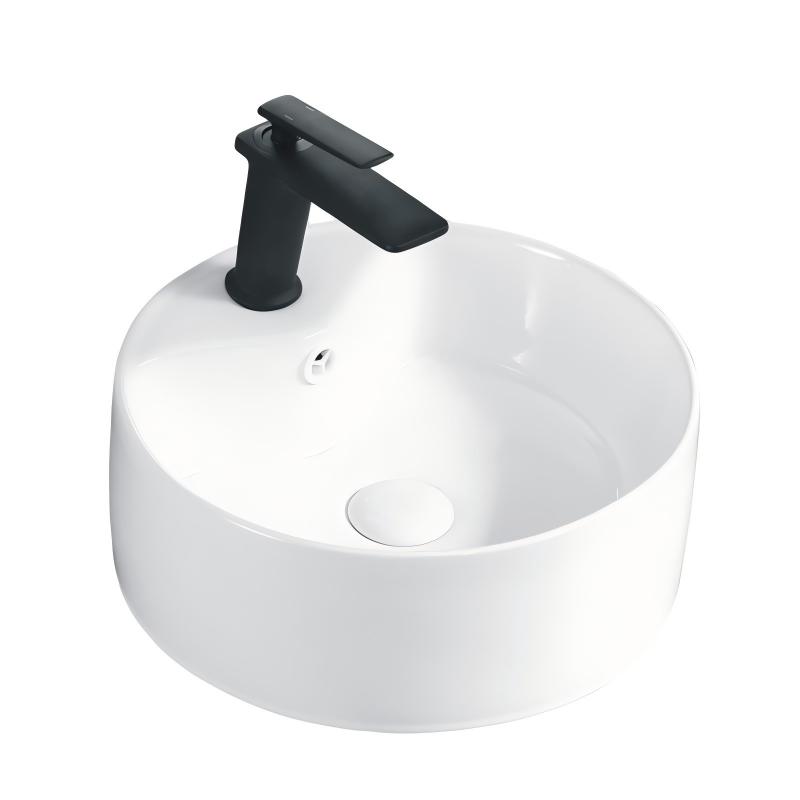
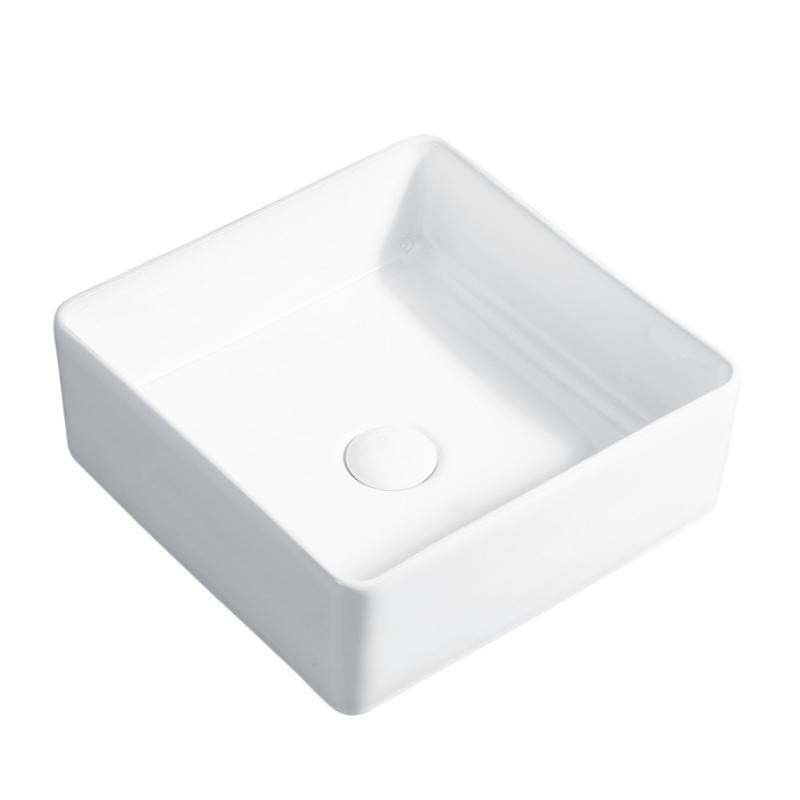
Countertop basins with clean geometry, thin rims, rounded corners, and minimalist profiles are suitable for contemporary residential and hospitality projects. Matte finishes, geometric shapes, and restrained colors can provide additional differentiation.
Luxury and decorative bathrooms
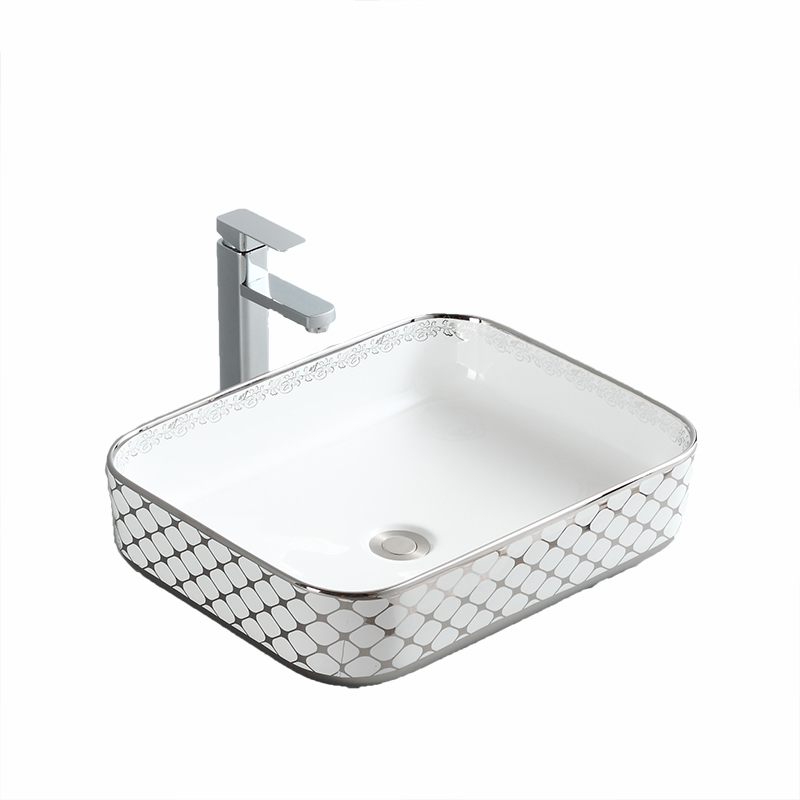
Color basins, marble-look surfaces, and electroplated finishes can create a stronger visual identity. These options are particularly relevant to boutique hotels, premium showrooms, and design-focused bathroom brands. However, decorative finishes require tighter appearance inspection and packaging controls.
Space-saving projects
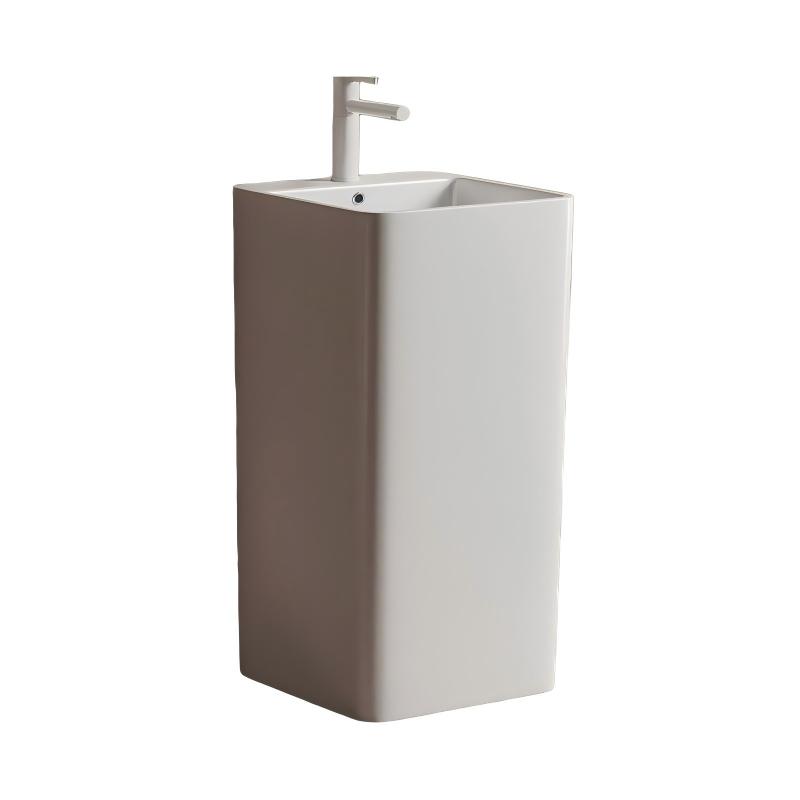
Wall-hung and pedestal basins can serve compact bathrooms and commercial projects where floor space matters. For these applications, dimensions, fixing points, and installation compatibility should be confirmed before production.
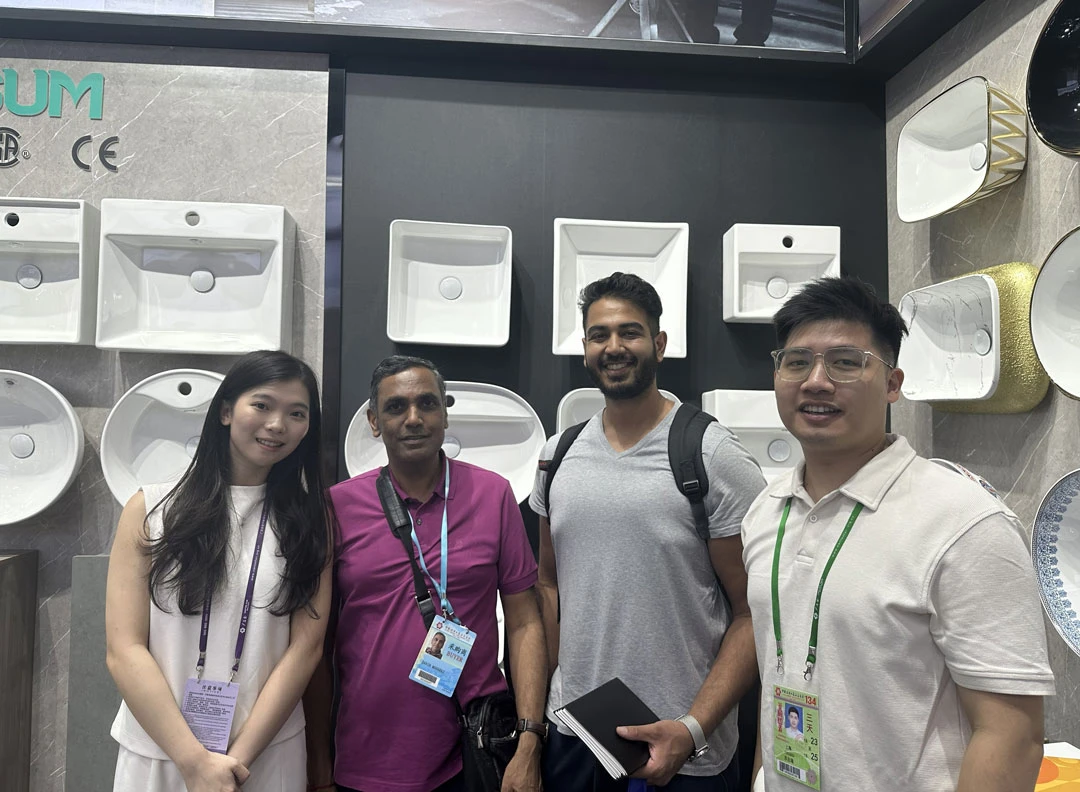
WEESUM offers countertop, pedestal, undercounter, vanity, wall-hung, colored, electroplated, and marble-look ceramic basins. This breadth allows an OEM buyer to test different market segments while maintaining one established manufacturing relationship.
Contemporary vs. Traditional Ceramic Basin Designs
The choice between contemporary and traditional designs is not simply aesthetic. It affects tooling, market positioning, SKU management, packaging, and long-term sales potential. Contemporary basins often emphasize thin profiles, simple geometry, and distinctive finishes, making them attractive to modern bathroom brands seeking differentiation.
Traditional designs usually prioritize familiar proportions, practical installation, and broad market acceptance. For wholesalers, this can mean lower market-entry risk because customers already understand the product format. A contemporary design may command stronger visual appeal, but it also needs more careful positioning and inventory planning.
How an importer should compare them
- Identify the dominant bathroom style in the target market.
- Compare the design with existing competitor products.
- Estimate expected retail positioning and margin.
- Check whether the design requires new molds.
- Evaluate sample cost, MOQ, lead time, and packaging.
- Confirm whether the design can support future color or size variants.
For OEM and ODM cooperation, a balanced portfolio is often more practical than betting on one highly customized model. A Manufacturer can use established production platforms for core models while developing selected differentiated designs to strengthen the buyer’s brand identity.
Key Factors When Choosing a Wash Basin
The best basin is not necessarily the most visually impressive model. For professional procurement, the correct choice should satisfy four dimensions: customer demand, manufacturing feasibility, logistics efficiency, and quality consistency.
1. Match the basin to the sales channel
Online retailers may value distinctive shapes and finishes that photograph well, while building-material distributors may prioritize reliable dimensions, easy installation, durability, and competitive pricing. Hotel and project buyers often require standardized specifications across larger quantities.
2. Calculate the complete commercial cost
Do not compare Supplier quotations only by unit price. Include tooling cost, sampling, packaging, inspection, inland transportation, freight, certification where applicable, and potential breakage. A cheaper basin can become expensive if its packaging generates a high damage rate.
3. Control customization carefully
WEESUM supports light customization based on existing molds, including color, glaze treatment, and logo application, as well as deeper customization for more substantial product development. This gives buyers an important choice: use an existing production platform for faster market entry or invest in a more distinctive OEM or ODM model.
Before approving production, establish a golden sample, signed technical specification, approved color standard, packaging standard, and pre-shipment inspection procedure. These controls reduce disputes and make quality expectations measurable.
Conclusion: Finding the Right Wash Basin Shape
The right wash basin shape should combine customer demand with production feasibility. Round, oval, rectangular, geometric, thin-rim, and artistic designs can all succeed when matched with the correct market position. The key is not maximum customization, but profitable customization.
For wholesale buyers, a capable Manufacturer should help determine which changes are commercially worthwhile and which create unnecessary cost risk. A reliable Supplier should also provide clear samples, technical drawings, quality controls, and realistic lead times before mass production.
Choose a basin that your customers want, your factory can reproduce consistently, and your supply chain can deliver safely. Contact WEESUM to discuss Customizable ceramic basin options, OEM or ODM development, sampling, and wholesale production for your market.