Why Choosing the Wrong Products First Can Create a Supply Chain Crisis
Many sanitary ware distributors start importing with the products they like, rather than the products their market can sell. This can create inventory risk, slow-moving stock, high breakage rates, unexpected landed costs, and costly warehouse pressure. Bathroom ceramics are bulky, fragile, specification-sensitive goods, so one poor purchasing decision can affect freight, storage, cash flow, and customer satisfaction at the same time. The problem becomes more serious when a Supplier cannot provide consistent quality, suitable packaging, required certification, or reliable delivery schedules. For new importers, the real challenge is therefore not simply finding a low-price Manufacturer. It is selecting the right product mix, validating the supply chain, and controlling commercial risk before placing the first container order.
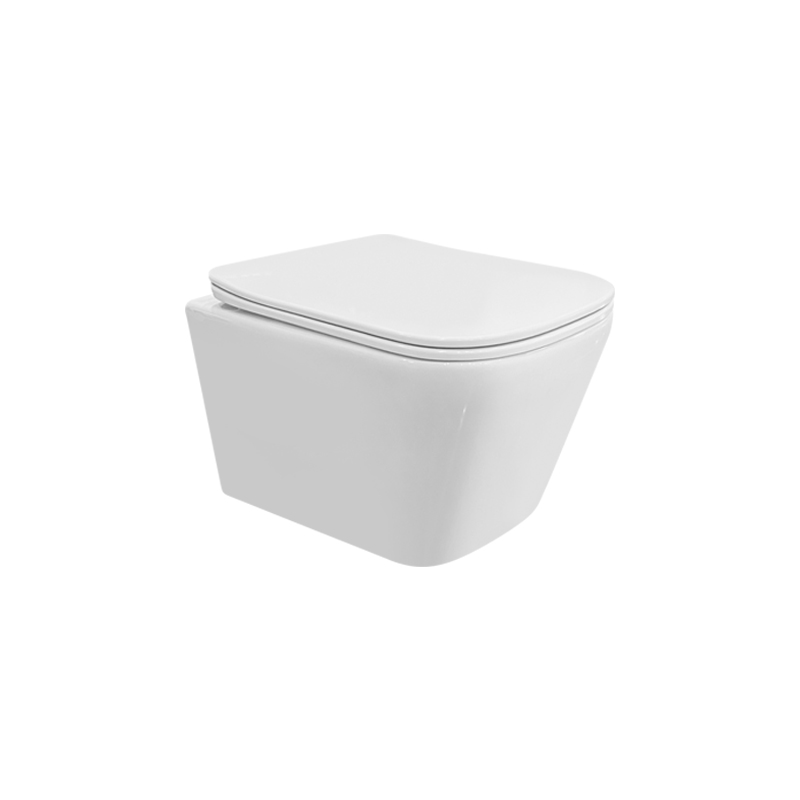
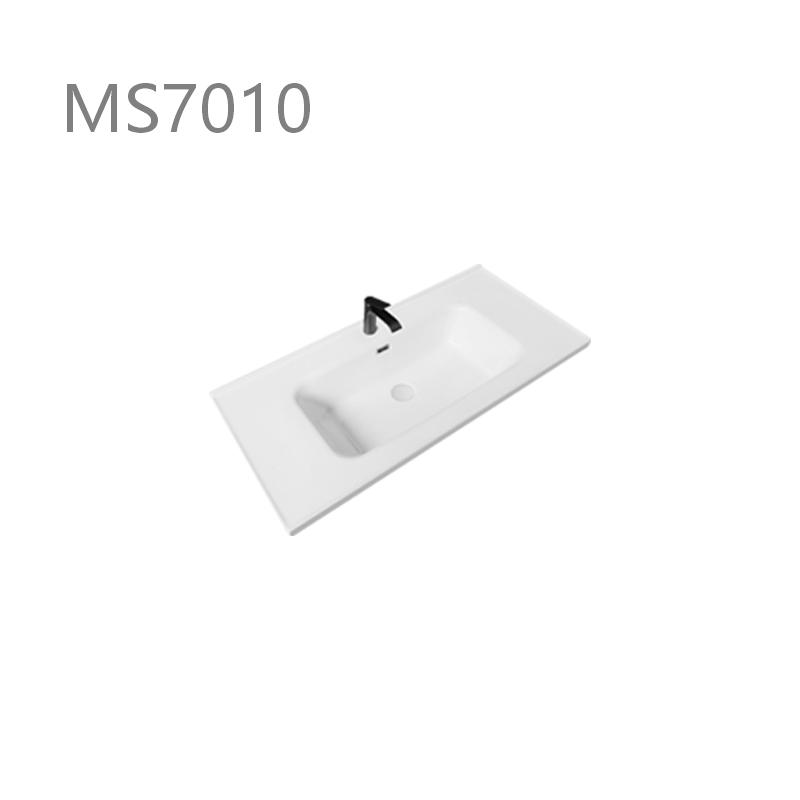
A qualified sanitary ware Supplier should combine stable manufacturing capacity, export experience, reliable quality control, required international certifications, protective packaging, consistent lead times, and flexible OEM/ODM support. WEESUM provides wholesale ceramic basins and toilets with factory-based production, international certification coverage, and Customizable solutions for distributors and project buyers.
The following sections reveal the practical purchasing logic experienced sanitary ware buyers use before committing capital. From product selection and regional preferences to factory audits, container planning, compliance, and final inspection, these are the supply-chain details that can determine whether your first shipment becomes a repeat order or an expensive lesson.
How Do Bathroom Products Differ from Other Imported Goods?
Sanitary ware should be treated differently from many ordinary imported consumer goods because ceramic products combine high volume, fragility, dimensional requirements, and relatively high logistics exposure. A small electronic accessory can be packed into thousands of units in limited space, while a ceramic basin or toilet consumes substantial container volume and requires protection against impact.
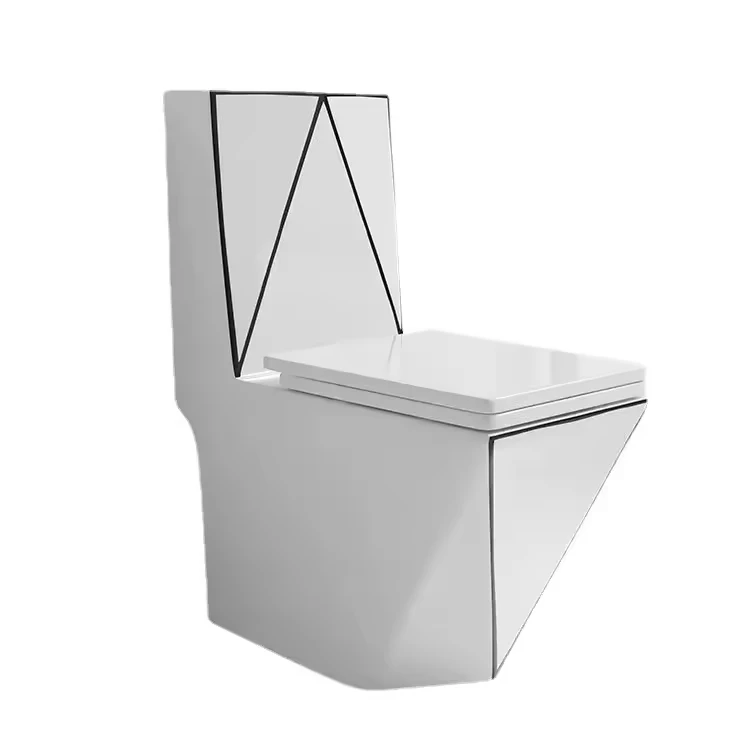
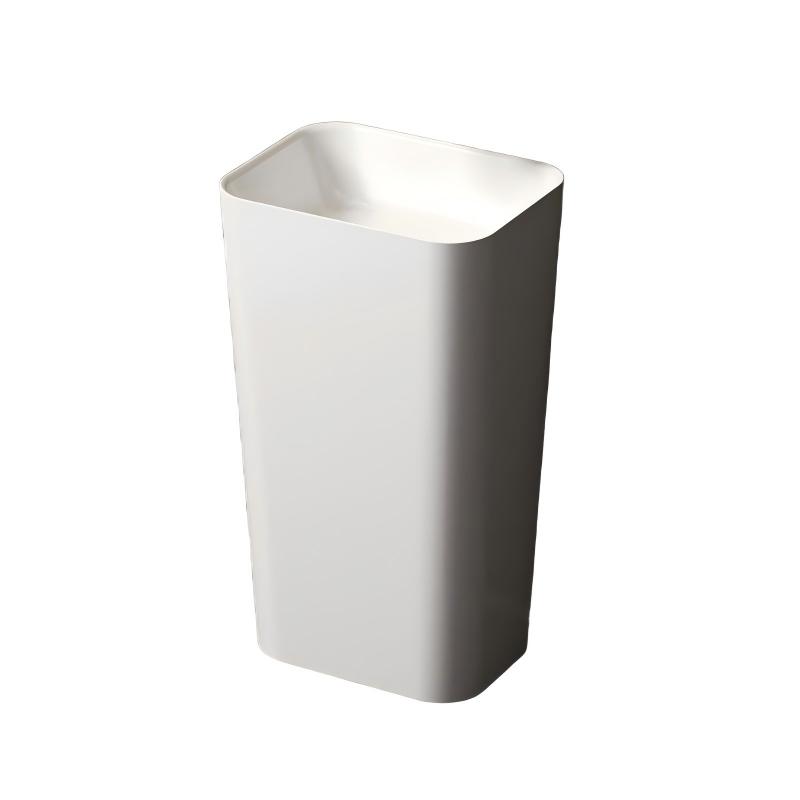
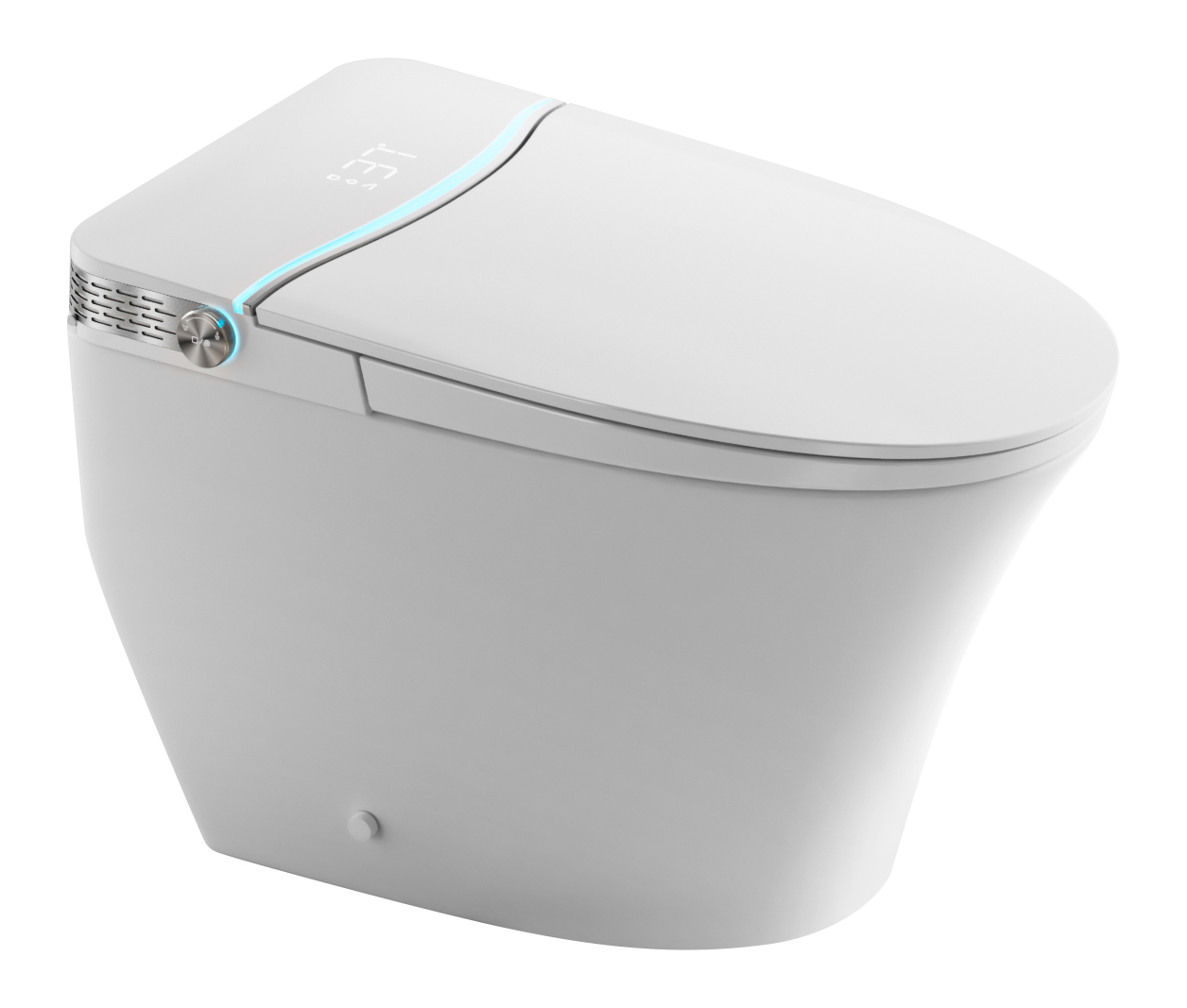
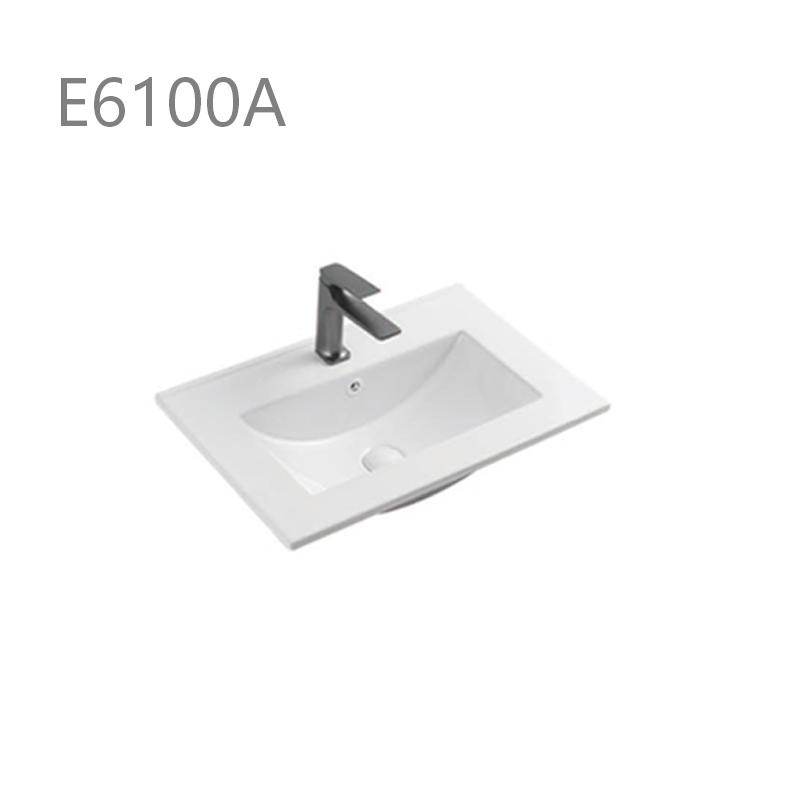
For a distributor, this means the first products should ideally have a balance of market demand, manageable dimensions, proven packaging, and repeat-purchase potential. Two-piece toilets, standard one-piece toilets, and popular countertop or vanity basins can be evaluated alongside more differentiated models.
- Breakage risk: ceramics require carefully engineered cartons, foam, pallets, and internal protection.
- Volume risk: container utilization directly affects the real unit cost.
- Specification risk: dimensions, drainage positions, flushing systems, colors, and installation standards must match the destination market.
- Inventory risk: unusual colors or highly specialized designs can move more slowly than mainstream models.
For a first order, the objective is not to maximize the number of SKUs. It is to build a controlled product portfolio that can generate sales data before expanding into deeper customization or premium ranges.
Regional Buyer Preferences and Market Positioning
A successful import strategy begins with the market rather than the factory catalog. A Manufacturer may offer hundreds of models, but a distributor normally needs a smaller assortment aligned with local installation habits, design preferences, price levels, and regulatory requirements.
| Market Consideration | Typical Purchasing Focus | Supply Chain Priority |
|---|---|---|
| Europe | Design, dimensions, water efficiency, compliance | Certification, finish consistency, packaging |
| North America | Performance, standards, durability | Compliance, flushing performance, documentation |
| Middle East | Design, premium finishes, project supply | Quality stability, customization, delivery capacity |
| South America | Price-performance balance, practical models | Cost control, durability, container efficiency |
Distributors should segment products into clear commercial positions: entry-level, mainstream, premium, and differentiated design. A balanced first shipment can combine proven mainstream products with a limited number of higher-margin Customizable models. This approach allows a Supplier relationship to develop without exposing the buyer to excessive inventory risk.
How to Evaluate Bathroom Product Suppliers
Price should be only one part of Supplier evaluation. Experienced buyers examine whether the Manufacturer can repeatedly deliver the same specification, finish, packaging standard, and quantity. A factory visit or structured remote audit should therefore focus on production capability rather than showroom appearance alone.
- Verify factory identity, production location, and actual manufacturing capability.
- Review quality control procedures from casting and glazing through firing and final inspection.
- Check production capacity against your expected monthly volume.
- Request relevant certificates and verify whether they apply to the specific products and destination market.
- Confirm sample approval procedures, MOQ, lead time, payment terms, and replacement policy.
- Assess OEM and ODM capability if private-label or product development is part of your strategy.
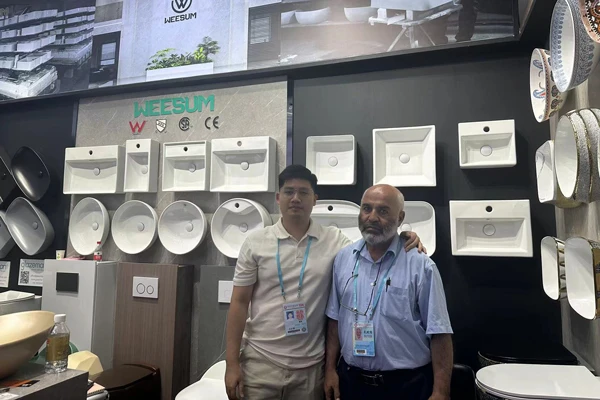
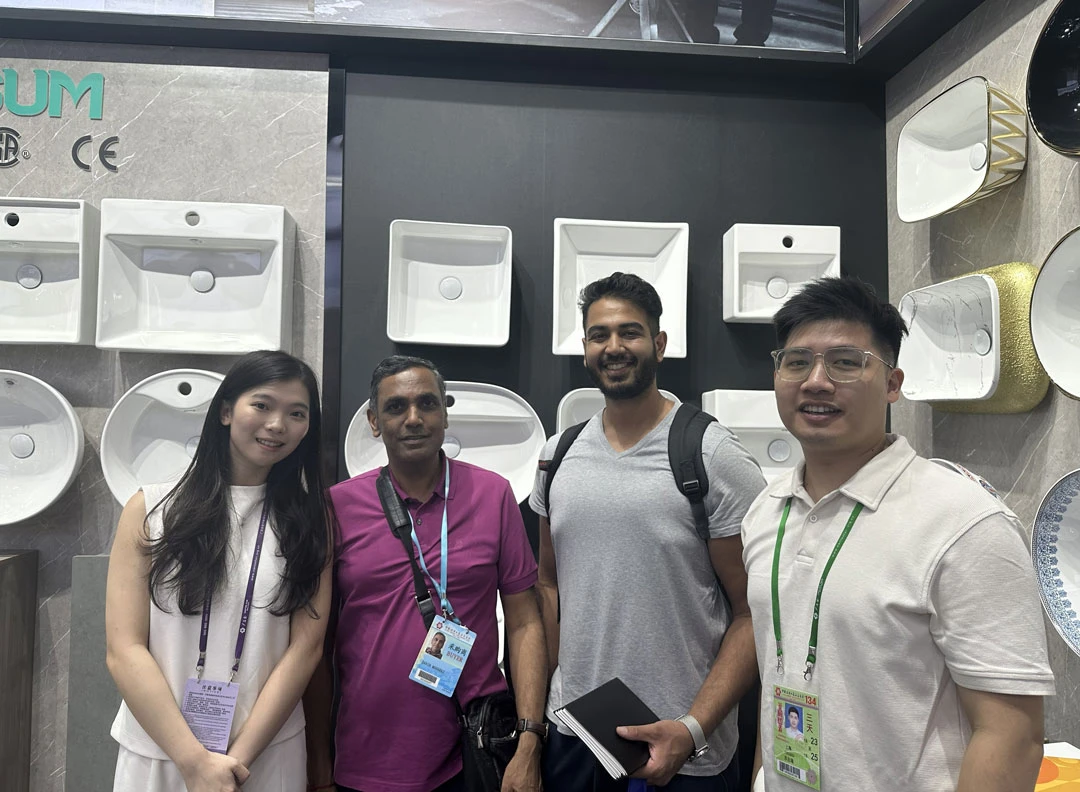
WEESUM presents itself as a factory-based ceramic sanitary ware Manufacturer in Chaozhou, with more than 30 years of manufacturing experience, a production base exceeding 50,000 square meters, more than 30 high-pressure casting lines, and monthly output exceeding 100,000 pieces. Its stated certification portfolio includes ISO9001, CE, CUPC, NSF, WaterMark, SASO, and BSCI.
Packaging: A Critical Factor for Success
For ceramic sanitary ware, packaging is part of the product specification rather than an afterthought. A competitive factory price becomes meaningless if excessive breakage occurs during inland transportation, port handling, container loading, or final delivery.
Before placing an order, ask the Supplier to provide detailed packaging specifications and confirm whether the approved packaging will be used for mass production. Important checkpoints include carton strength, internal foam or molded protection, corner protection, pallet configuration, stacking method, product fixation, and moisture protection where relevant.
- Approve a physical packaging sample together with the product sample.
- Record carton dimensions and gross weight for freight calculations.
- Confirm the maximum stacking configuration.
- Define the responsibility and evidence requirements for transit damage.
- Require packaging consistency between the approved sample and mass production.
WEESUM states that its manufacturing process includes finished-product inspection followed by packaging and shipping, supporting a factory workflow from production through export preparation.
Freight Classes and Container Loading Plans
For sanitary ware, freight economics depend heavily on cubic volume rather than product value alone. Buyers should calculate container utilization before confirming the purchase order. The key question is not simply how many pieces fit into a container, but how many saleable pieces can be loaded while maintaining safe protection.
| Planning Item | What the Buyer Should Confirm |
|---|---|
| Product dimensions | Carton length, width, height and gross weight |
| Container capacity | Estimated carton quantity and usable loading volume |
| Loading method | Palletized or floor-loaded configuration |
| Mixed SKU loading | Quantity per model and loading sequence |
| Freight exposure | Ocean freight, local charges, insurance and handling |
A professional Supplier should be able to provide carton dimensions, packing quantities, and loading recommendations for each model. Buyers should compare the theoretical loading plan with the actual factory loading experience. The objective is to reduce freight cost without increasing breakage risk.
Tariffs, Certifications, and Landed Cost Calculations
The purchase price is not the real acquisition cost. A distributor should calculate landed cost before approving the order. The calculation should normally include product price, export charges where applicable, ocean freight, insurance, destination port charges, customs-related costs, tariffs, inland transportation, inspection expenses, and other market-specific costs.
Compliance must be evaluated at the same time. The exact certification and testing requirements depend on the destination country, product category, model, and applicable regulations. A certificate listed by a Supplier should therefore be checked against the actual purchasing specification rather than treated as universal market approval.
- Tariff risk: confirm the applicable HS classification and current duty treatment.
- Compliance risk: verify required standards before production.
- Documentation risk: ensure invoices, packing lists, certificates, and shipping documents are consistent.
- Cost risk: calculate the complete landed cost rather than comparing factory quotations alone.
WEESUM lists CE, CUPC, NSF, WaterMark, SASO, ISO9001, and BSCI among its stated certifications and market-support credentials. Buyers should still confirm which documentation is applicable to their exact destination and product models before ordering.
Pre-Shipment Checklist
The final inspection is the last major control point before the goods leave the factory. It should confirm that the shipment matches the approved sample, purchase order, packaging specification, and agreed documentation. Do not treat pre-shipment inspection as a formality; it is an important risk-control mechanism.
- Confirm product model, quantity, dimensions, color, glaze, and accessories.
- Check visible ceramic defects, surface quality, cracks, deformation, and finish consistency.
- Verify functional requirements applicable to the toilet or basin specification.
- Inspect carton condition, internal protection, labels, and shipping marks.
- Compare production goods with the approved reference sample.
- Verify packing list, invoice, certificates, and other export documentation.
- Record inspection results and resolve any non-conformity before shipment.
For buyers developing a private label, the checklist should also include logo placement, packaging artwork, model codes, barcode information, and any Customizable requirements agreed during OEM or ODM development. WEESUM describes its customization process as moving from requirement discussion through evaluation, sampling, confirmation, and production, which provides a structured framework for such projects.
Choose the Right Products Before You Scale
Your first sanitary ware shipment should build sales data, not unnecessary inventory. Select products according to market demand, compliance, packaging, freight efficiency, and Supplier reliability. Contact WEESUM at calen@weesum.com to discuss wholesale basins, toilets, OEM, ODM, and Customizable product solutions for your market.